Infectious Disease
1909
Nicolle's discovery of louse-borne typhus
At the Pasteur Institute of Tunis, Charles Nicolle and colleagues showed that the body louse carries epidemic typhus, so that bathing, delousing and clean clothing could stop its spread. He received the 1928 Nobel Prize for his work on typhus.
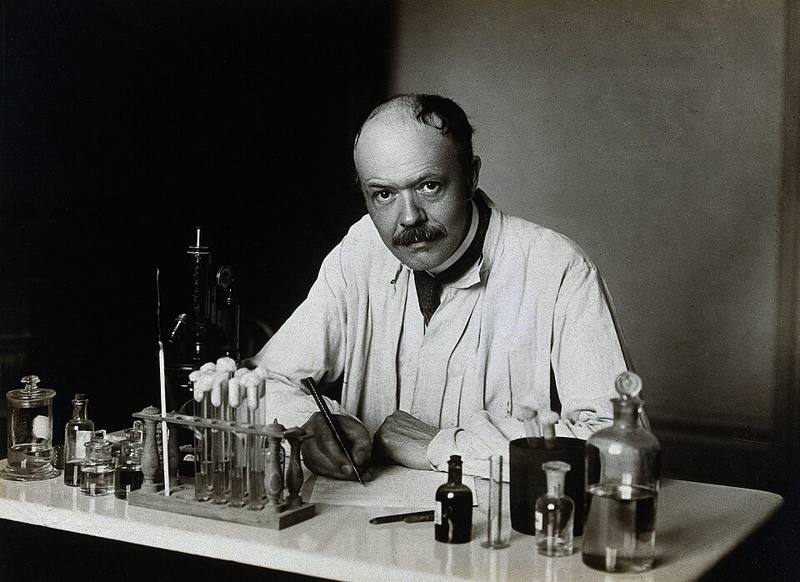
Key people
- Charles Nicolle
- Director of the Pasteur Institute of Tunis; Nobel laureate 1928
- Ernest Conseil
- Co-author of the 1909 louse transmission note
- Charles Comte
- Co-author of the 1909 louse transmission note
Source
Typhus came to Tunis in waves each cool season. Charles Nicolle, a bacteriologist from Rouen, became director of the Pasteur Institute of Tunis in 1903. Most doctors in the Tunisian service, especially in the countryside, caught typhus, and about a third of them died of it. Early on, Nicolle arranged to join a colleague on a visit to a prison 80 kilometres south of Tunis. The evening before, he coughed up blood and stayed behind. His colleague Motheau and a servant went, caught typhus and died.
At the native hospital in Tunis, Nicolle often had to step over typhus patients who had collapsed at the door. Before admission, he noticed, patients infected their families, visiting doctors, the clerks who admitted them and the staff who took their clothes and washed their linen. Once in the general wards they infected no one. Between the door and the ward, each patient was stripped, shaved and washed. The agent, Nicolle reasoned, was something on the skin and clothing that soap and water removed: the body louse.
Proof needed an animal that could catch the disease. Small monkeys had resisted infection, so Nicolle asked his teacher Émile Roux in Paris for a chimpanzee. In June 1909 he gave it typhus with a patient's blood and passed the infection by blood to a macaque. On 6 September 1909 Roux presented to the Academy of Sciences a note by Nicolle, Charles Comte and Ernest Conseil. They had placed 29 lice, taken from people that morning, on the infected macaque after its rash appeared, then moved them day after day to two healthy macaques. Both developed fever; one died on the 44th day. Measures against typhus, the note concluded, must aim at destroying the parasites on patients' bodies, linen, clothing and bedding.
In 1910 Howard Ricketts and Russell Wilder confirmed louse transmission in Mexico, and Nicolle found that louse faeces became infective at the same time as the bite. Later work showed that the main route was louse excrement rubbed into the skin or eyes. Nicolle's discovery that guinea pigs could be infected let the agent be kept in the laboratory all year, and in guinea pigs with no symptoms he recognised inapparent infection. The Nobel presentation speech credited Nicolle and his colleagues with ridding Tunis of typhus within two years. Ricketts and Stanislaus von Prowazek both died of typhus caught in their research, and in 1916 Henrique da Rocha-Lima named the organism Rickettsia prowazeki after them.
Keep exploring
 Read next · same disease or problem
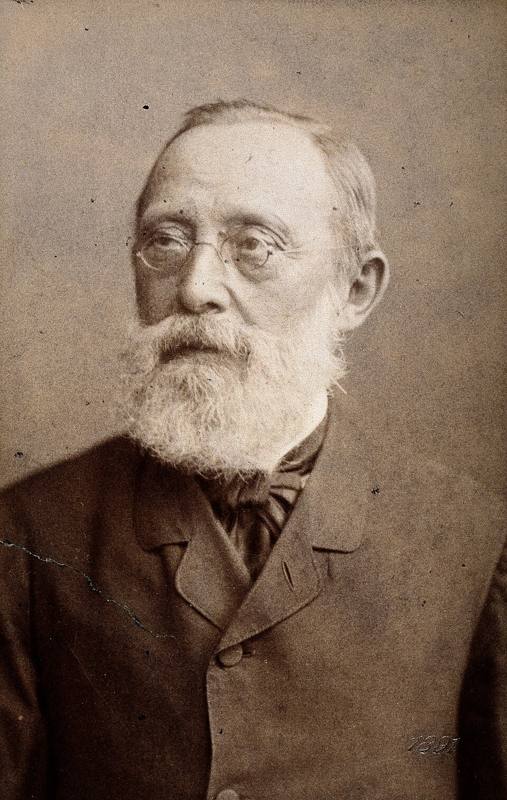
Virchow's report on typhus in Upper Silesia (1848)
Virchow blamed a typhus epidemic on poverty and neglect, and Nicolle found the louse that carries it. Virchow's story shows his call for democracy and education as the cure for disease.
Read this moment
Read next · same disease or problem
Virchow's report on typhus in Upper Silesia (1848)
Virchow blamed a typhus epidemic on poverty and neglect, and Nicolle found the louse that carries it. Virchow's story shows his call for democracy and education as the cure for disease.
Read this moment
 Today on The Clinical Times
Love to Dream recalls portable baby sound machine over fire and burn risk
Love to Dream has recalled its portable Sleep Machine because its lithium-ion battery can overheat while charging with an incompatible charger, creating a risk of fire and burns.
Read today’s top stories
Today on The Clinical Times
Love to Dream recalls portable baby sound machine over fire and burn risk
Love to Dream has recalled its portable Sleep Machine because its lithium-ion battery can overheat while charging with an incompatible charger, creating a risk of fire and burns.
Read today’s top stories
All 526 moments in the history of medicine. This one is in chapter 5, Cures and codes
Connected moments
How this moment links to others in the history of medicine, and what you will find in each.
-
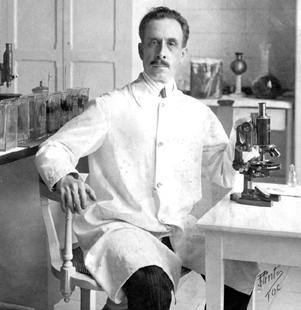 Same disease or problem1909Chagas and American trypanosomiasisIn the same year Nicolle showed lice carry typhus, and Chagas found a bug carrying a new disease in Brazil. Chagas's story shows a parasite traced from bug to child in a railroad town.Read this moment
-
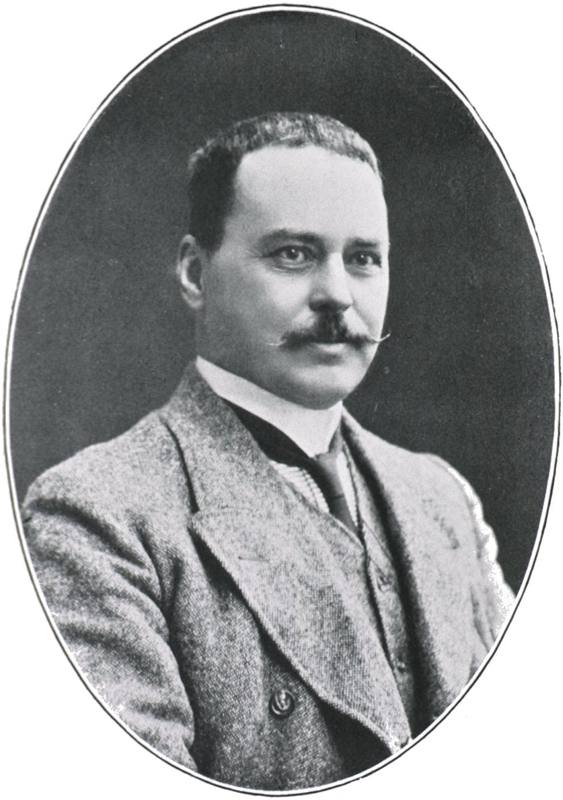 Same disease or problem1897Ross and the mosquito transmission of malariaNicolle showed that an insect carries typhus, as Ross had shown for malaria. Ross's story shows the parasite followed through a mosquito's stomach to its salivary glands.Read this moment