Infectious Disease
1909
Chagas and American trypanosomiasis
Working in rural Brazil, Carlos Chagas found a new trypanosome in a blood-sucking bug and, in April 1909, in a feverish child. He described the parasite, its insect carrier and the human disease now named after him.
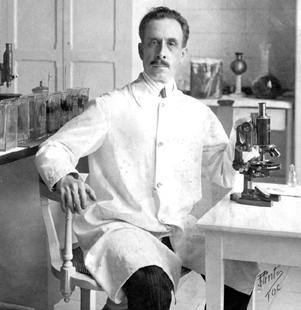
Key people
- Carlos Chagas
- Brazilian physician who described T. cruzi, its vector and the disease
- Oswaldo Cruz
- Director of the Manguinhos institute; infected marmosets with Chagas’s bugs
- Berenice
- Two-year-old girl diagnosed on 14 April 1909, the first human case
Source
In 1907 malaria was stalling the extension of the Central do Brasil railroad between Corinto and Pirapora in northern Minas Gerais. The institute at Manguinhos in Rio de Janeiro, renamed for its director Oswaldo Cruz in 1908, sent Carlos Chagas, a young physician whose thesis was on malaria, to fight it. He based himself at Lassance, a small town on the São Francisco river.
A railroad engineer told him about the barbeiro, a blood-sucking bug that bred in the walls of the region’s wattle-and-daub huts and bit sleepers on the face. With no laboratory at Lassance, Chagas sent bugs to Manguinhos, where Cruz let them bite laboratory-bred marmosets; one fell ill with trypanosomes in its blood. Chagas, who also found the parasite in the bugs’ hindgut, named the new species Trypanosoma cruzi, after Cruz.
He next found it in a cat, and on 14 April 1909 in the blood of a feverish two-year-old girl, Berenice, who lived in the same hut. A note in Brazil-Medico announced a new human trypanosomiasis the next day, and on 22 April Cruz reported vector, parasite and disease to the National Academy of Medicine. A long paper in the institute’s Memórias followed in August, and a full clinical and epidemiological account in 1911. Rachel Lewinsohn of Cambridge later observed that Chagas had worked backward, from a possible vector to a possible parasite and only then to the disease.
Not all of the early clinical picture held. Chagas at first folded the region’s endemic goiter into the new disease, calling it parasitic goiter; the French historian François Delaporte later argued that this merged two separate conditions. In 1922 and 1923 a dispute in the National Academy of Medicine, led by the hygiene professor Afrânio Peixoto, cast it as a mere illness of Lassance; Peixoto held that stressing tropical disease hurt Brazil’s image abroad. Chagas directed the Oswaldo Cruz Institute from 1917 until his death in 1934, at 55.
Doctors in Belo Horizonte examined Berenice in 1961, at 53, and found her still a carrier and in good health. The World Health Organization estimates that about 8 million people, mostly in Latin America, are infected with T. cruzi, and that the infection causes more than 10,000 deaths a year. Since 2020, 14 April has been World Chagas Disease Day.
Keep exploring
 Read next · same disease or problem
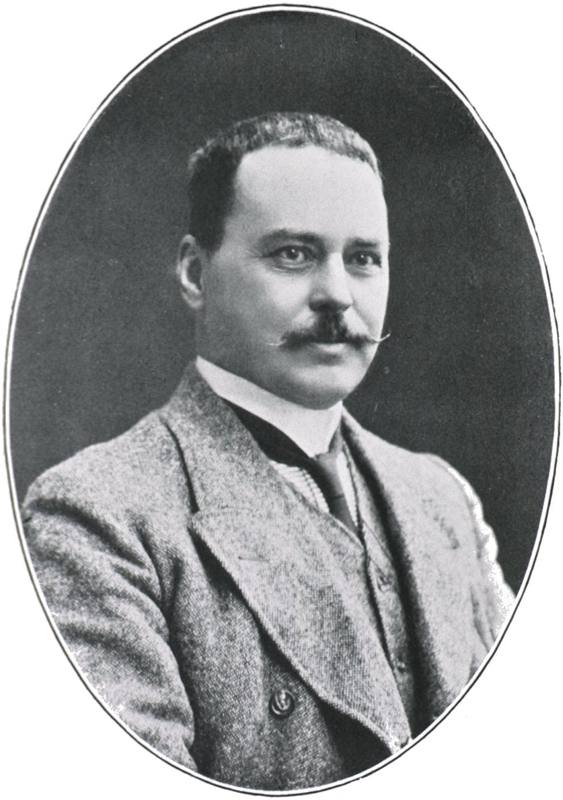
Ross and the mosquito transmission of malaria (1897)
Chagas found a parasite carried by a blood sucking bug, as Ross had found malaria carried by mosquitoes. Ross's story shows the parasite traced through a mosquito to its salivary glands.
Read this moment
Read next · same disease or problem
Ross and the mosquito transmission of malaria (1897)
Chagas found a parasite carried by a blood sucking bug, as Ross had found malaria carried by mosquitoes. Ross's story shows the parasite traced through a mosquito to its salivary glands.
Read this moment
 Today on The Clinical Times
Love to Dream recalls portable baby sound machine over fire and burn risk
Love to Dream has recalled its portable Sleep Machine because its lithium-ion battery can overheat while charging with an incompatible charger, creating a risk of fire and burns.
Read today’s top stories
Today on The Clinical Times
Love to Dream recalls portable baby sound machine over fire and burn risk
Love to Dream has recalled its portable Sleep Machine because its lithium-ion battery can overheat while charging with an incompatible charger, creating a risk of fire and burns.
Read today’s top stories
All 526 moments in the history of medicine. This one is in chapter 5, Cures and codes
Connected moments
How this moment links to others in the history of medicine, and what you will find in each.
-
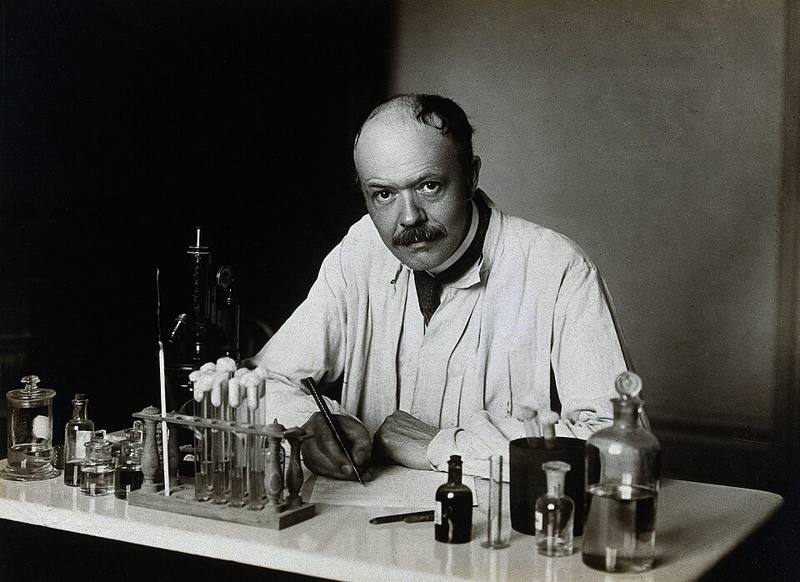 Same disease or problem1909Nicolle's discovery of louse-borne typhusIn the same year Chagas found a bug carrying a new disease in Brazil, and Nicolle showed that lice carry typhus in Tunis. Nicolle's story shows how stripping and washing patients stopped the spread.Read this moment
-
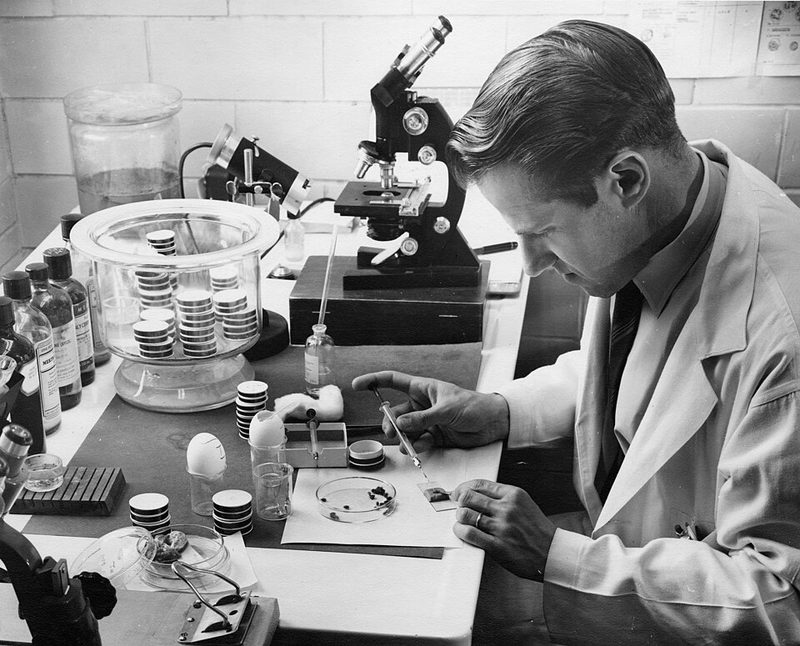 Same disease or problem1975The discovery of Lyme diseaseChagas worked from a biting insect to a new disease, and Lyme disease was traced to a tick borne spirochete. That story shows a cluster of arthritis in Connecticut children reported by their mothers.Read this moment