Infectious Disease
1923
Ramon's diphtheria toxoid
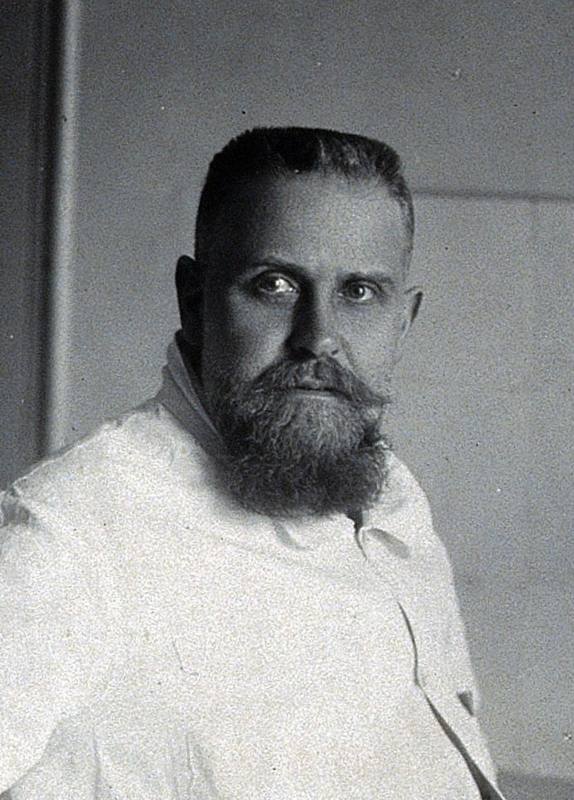
In 1923 Gaston Ramon of the Pasteur Institute showed that formalin and heat strip diphtheria toxin of its toxicity while leaving its power to immunize. His toxoid became the basis of diphtheria vaccination and of the combined vaccines that followed.
Key people
- Gaston Ramon
- Pasteur Institute veterinarian who made diphtheria toxin into a vaccine
- Paul Ehrlich
- Earlier described a toxoid that had lost its immunizing power
Source
Diphtheria was a killer of children. In Paris it caused an average of 1,500 deaths a year between 1865 and 1893. Antitoxin serum from immunized horses, in use since the 1890s, had cut the death rate among patients from over 50 percent to about 10 percent by 1923, but it did nothing to reduce how many people caught the disease. Vaccinating with the toxin itself was too dangerous, and from the early 1900s mixtures of toxin and antitoxin were tried instead.
Gaston Ramon, born in 1886 in Bellechaume in Burgundy and trained as a veterinarian at Maisons-Alfort, was deputy head of therapeutic serum production at the Pasteur Institute's facility at Garches, where he was responsible for immunizing several hundred horses. As a student he had learned that a little formalin kept milk from spoiling without altering it. In 1922 he described a flocculation reaction, a visible precipitate formed by toxin and antitoxin, which allowed sera and toxins to be measured in the test tube.
Toxin cultures kept at up to 38°C were easily contaminated, so Ramon added formalin to sterilize them. The toxin still flocculated, and its toxicity slowly faded to nothing. Formalin combined with heat, he showed, removed the toxicity without destroying the power to provoke immunity. He called the product anatoxine and reported it to the Académie des Sciences in 1923. Unlike the toxoid Paul Ehrlich had described, which had lost the power to produce immunity, the anatoxine kept it.
Ramon went on to describe adjuvants that strengthened the immune response in 1925 and combined vaccinations from 1926. France introduced diphtheria vaccination in its armed forces in 1930, made it compulsory there in 1932 and decreed it for all children in 1938. In the United States, which had 100,000 to 200,000 cases and 13,000 to 15,000 deaths a year in the 1920s, diphtheria toxoid was combined with tetanus toxoid and pertussis vaccine in the 1940s. Cases fell to about 19,000 in 1945 and dropped faster after universal childhood vaccination began in the late 1940s.
Keep exploring
 Read next · built on
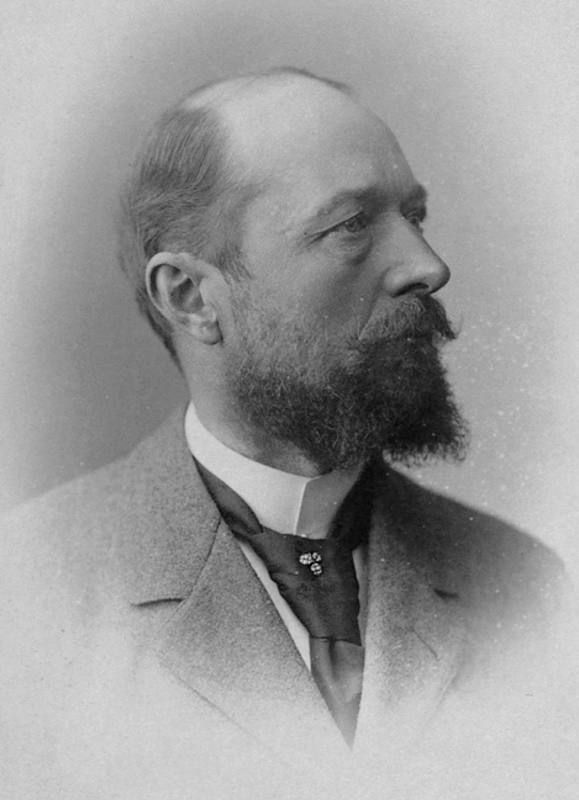
Behring and Kitasato's antitoxins (1890)
Antitoxin serum from immunized horses cut diphtheria deaths but did not stop people catching it, which Ramon's toxoid could. Behring's story shows the discovery of antitoxins in 1890.
Read this moment
Read next · built on
Behring and Kitasato's antitoxins (1890)
Antitoxin serum from immunized horses cut diphtheria deaths but did not stop people catching it, which Ramon's toxoid could. Behring's story shows the discovery of antitoxins in 1890.
Read this moment
 Today on The Clinical Times
Love to Dream recalls portable baby sound machine over fire and burn risk
Love to Dream has recalled its portable Sleep Machine because its lithium-ion battery can overheat while charging with an incompatible charger, creating a risk of fire and burns.
Read today’s top stories
Today on The Clinical Times
Love to Dream recalls portable baby sound machine over fire and burn risk
Love to Dream has recalled its portable Sleep Machine because its lithium-ion battery can overheat while charging with an incompatible charger, creating a risk of fire and burns.
Read today’s top stories
All 526 moments in the history of medicine. This one is in chapter 5, Cures and codes
Connected moments
How this moment links to others in the history of medicine, and what you will find in each.
-
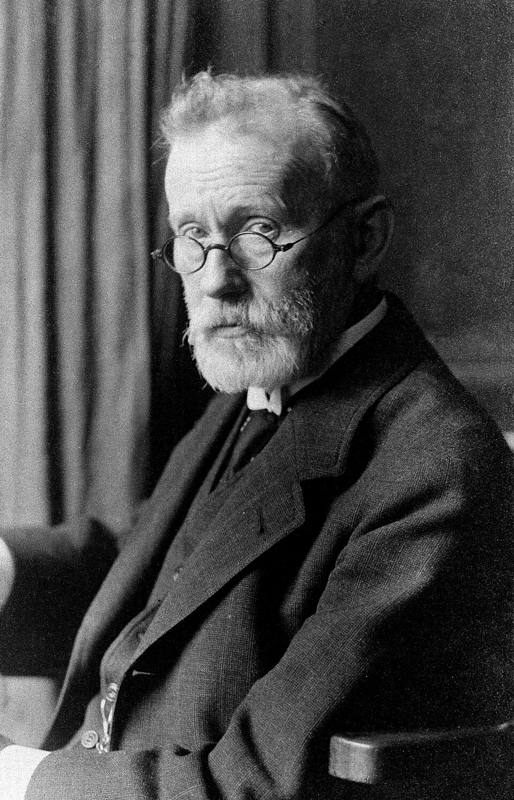 Same person1910Ehrlich's Salvarsan for SyphilisPaul Ehrlich had described a toxoid that lost its power to immunize, unlike Ramon's. Ehrlich's story shows his magic bullet against syphilis.Read this moment
-
 Same disease or problem1974WHO Expanded Programme on Immunization (EPI) launchedRamon's toxoid became the basis of diphtheria vaccines, and in 1974 WHO set out to give three doses of diphtheria, tetanus and pertussis vaccine to every child. Its story shows about 154 million deaths averted.Read this moment