Surgery & Anesthesia
1883
Kocher's thyroid surgery
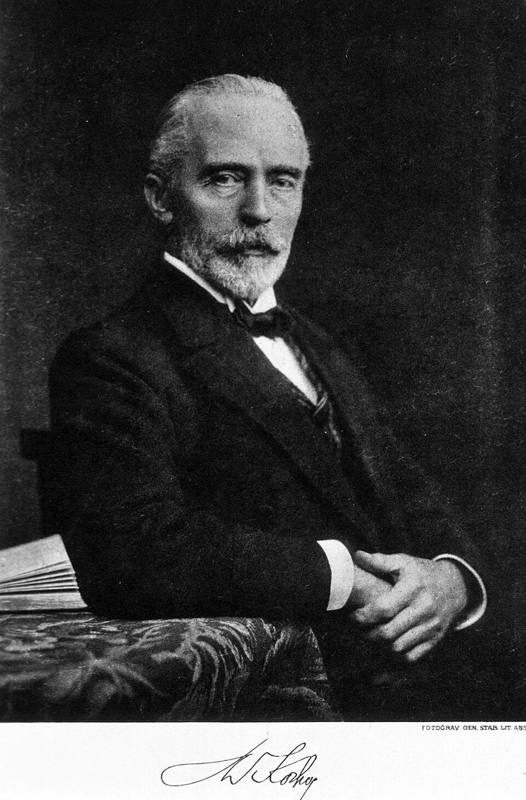
The Bern surgeon Theodor Kocher showed in 1883 that removing the whole thyroid for goitre caused a wasting syndrome, and he left functioning gland behind from then on. His safe technique and thyroid research won the 1909 Nobel Prize.
Key people
- Theodor Kocher
- Professor of surgery at Bern; Nobel laureate 1909
- Victor Horsley
- Confirmed in monkeys that thyroid loss caused the syndrome
- Felix Semon
- Cited Kocher's work at London's Clinical Society in November 1883
Source
A large goitre could squeeze the windpipe, and surgeons had long removed the thyroid now and then to relieve it, though before antisepsis patients often died of the operation. Theodor Kocher, born in Bern in 1841, had trained under surgeons who included Billroth and Langenbeck, and in 1872 he became professor of surgery and director of the university surgical clinic in Bern. His clinic became a centre for antiseptic surgery, and he was among the first to move on to asepsis.
As the operation grew safer, surgeons removed the whole gland more often. Kocher re-examined as many of his first 100 goitre patients as he could trace, and some 30 of them had developed a distinct syndrome: muscular weakness, swelling of the face and limbs, anaemia, declining intelligence and, in the end, death from exhaustion. It appeared in full only where the entire thyroid had been removed. In April 1883, at the congress of the German Society of Surgery in Berlin, he named it cachexia strumipriva and warned against total excision. The two Reverdins of Geneva had noted similar changes in the autumn of 1882, yet that same April they praised total excision in print.
Confirmation came quickly. The Reverdins linked the syndrome to the myxoedema described by English physicians. At the Clinical Society of London on 23 November 1883 Felix Semon cited Kocher's work, and a committee of the society concluded that myxoedema, sporadic cretinism and probably Kocher's syndrome were the same disease. Victor Horsley showed in monkeys that loss of the thyroid caused it, and the condition was renamed cachexia thyreopriva. Murray's thyroid extract later showed that the missing function could be replaced.
From then on Kocher left a functioning portion of the gland behind. In his Nobel lecture of December 1909 he cited a continuous series of more than 300 goitre operations without a death, and the presentation speech credited him with several thousand patients restored to lasting health. The prize was awarded for his work on the physiology, pathology and surgery of the thyroid. In 1912 he gave his university 200,000 Swiss francs for a research institute. According to a 2017 review, a few weeks before his death in Bern on 27 July 1917 he reported about 5,000 thyroid operations with a mortality of about 0.5 per cent.
Keep exploring
 Read next · built on
Lister's antiseptic surgery (1867)
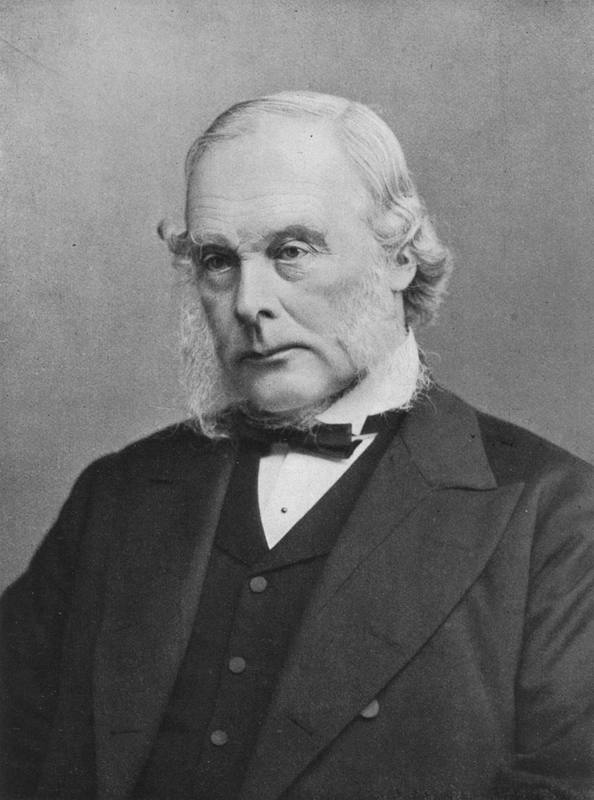
Before antisepsis thyroid operations often killed patients, and Kocher's clinic became a centre for antiseptic surgery. Lister's story shows carbolic acid dressings cutting deaths after amputation from about 45 percent to 15 percent.
Read this moment
Read next · built on
Lister's antiseptic surgery (1867)
Before antisepsis thyroid operations often killed patients, and Kocher's clinic became a centre for antiseptic surgery. Lister's story shows carbolic acid dressings cutting deaths after amputation from about 45 percent to 15 percent.
Read this moment
 Today on The Clinical Times
Love to Dream recalls portable baby sound machine over fire and burn risk
Love to Dream has recalled its portable Sleep Machine because its lithium-ion battery can overheat while charging with an incompatible charger, creating a risk of fire and burns.
Read today’s top stories
Today on The Clinical Times
Love to Dream recalls portable baby sound machine over fire and burn risk
Love to Dream has recalled its portable Sleep Machine because its lithium-ion battery can overheat while charging with an incompatible charger, creating a risk of fire and burns.
Read today’s top stories
All 526 moments in the history of medicine. This one is in chapter 4, Germs, numbers and clean water
Connected moments
How this moment links to others in the history of medicine, and what you will find in each.
-
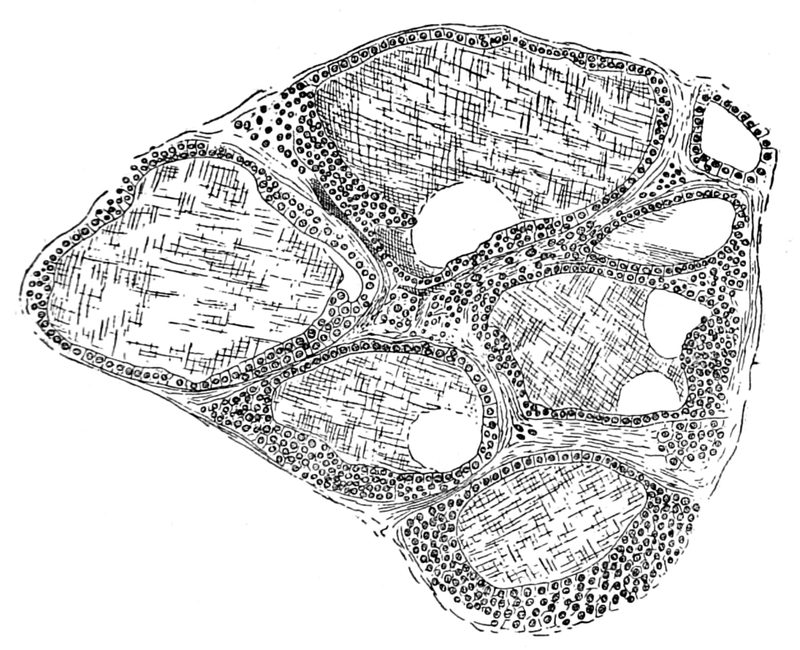 Led to1891Murray's sheep thyroid extract for myxedemaKocher showed that removing the whole thyroid caused a wasting syndrome, and Murray's extract showed that the missing function could be replaced. His story shows a woman with myxedema who lived another 28 years on thyroid.Read this moment
- Same disease or problem1924Iodized salt and the prevention of goiterKocher cut away goitres, and iodized salt later prevented them. That story shows goiter falling sharply around the Great Lakes after the salt went on sale in 1924.Read this moment