Public Health
1924
Iodized salt and the prevention of goiter
Iodized salt went on sale in Michigan on 1 May 1924, two years after Switzerland began iodizing salt. Goiter, common enough around the Great Lakes to disqualify draftees, fell sharply, and a 1990 Swiss review found no endemic cretin born after 1930.
Key people
- David Marine
- Ohio physician whose schoolgirl iodine trial began in 1917
- David Murray Cowie
- Michigan pediatrician who urged salt iodization in 1922
Source
Goiter was so common around the Great Lakes, in the Appalachians and in the Northwest that the region was called the goiter belt, and surveys found visible goiter in 26 to 70 percent of children. During the First World War draft, the Michigan physician Simon Levin found enlarged thyroids in 30.3 percent of 583 registrants, many large enough to disqualify them. Later surveys found rates as high as 64.4 percent in parts of the state.
The iodine link was old. In 1852 the French chemist Adolphe Chatin proposed that endemic goiter came from a lack of iodine, and in 1896 Eugen Baumann found iodine in the thyroid gland. From 1917 David Marine, an Ohio physician, and his colleagues gave iodine to more than 2,100 schoolgirls; goiter appeared in 0.2 percent of treated children against more than 25 percent of untreated ones.
Switzerland moved first. In some regions nearly every schoolchild had a large goiter, 0.5 percent of people were cretins, and up to 30 percent of young men were unfit for military service. A national goiter commission met for the first time on 21 January 1922, and iodized salt was introduced that year at 3.75 mg of iodine per kilogram. Cantons controlled health and the salt monopoly, and where iodized salt was allowed only in 1952, goiter fell later. Reviewing the Swiss record in 1990, Bürgi and colleagues took that lag as proof that the salt caused the decline, and found no endemic cretin born after 1930.
In Michigan, David Murray Cowie, head of pediatrics at the University of Michigan, urged salt iodization at a state medical society symposium in 1922. Iodized salt reached Michigan grocery shelves on 1 May 1924, at 100 mg of iodine per kilogram. From 1922 to 1927, under a statewide prevention program, the goiter rate in Michigan fell from 38.6 to 9.0 percent. In 1926 Hartsock described an outbreak of thyrotoxicosis among adults in the Great Lakes region who used iodized salt. The Swiss reviewers thought adverse effects had stayed minimal in Switzerland perhaps because the starting dose there was set very low.
American iodization stayed voluntary. A 1948 proposal to require iodized salt in every state was defeated, and since the 1950s between 70 and 76 percent of American households have used only iodized salt.
Keep exploring
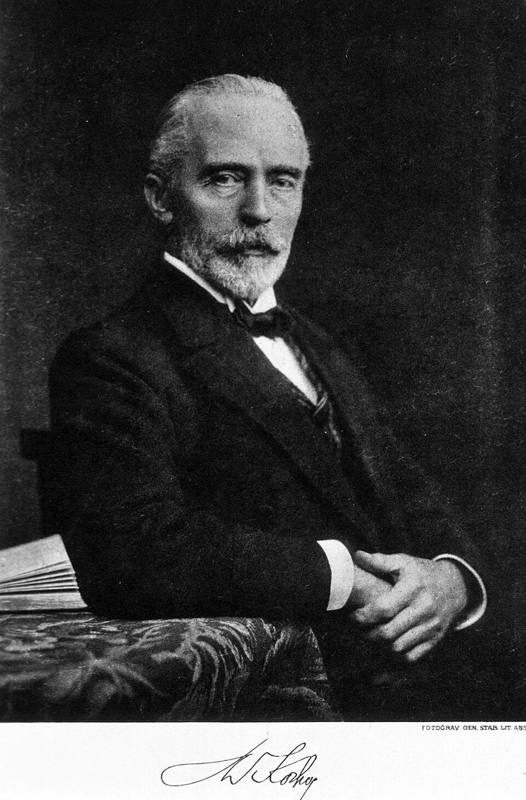 Read next · same disease or problem
Kocher's thyroid surgery (1883)
Iodized salt prevented goiter, which Kocher had treated by cutting away the gland. Kocher's story shows the wasting that followed removing the whole thyroid.
Read this moment
Read next · same disease or problem
Kocher's thyroid surgery (1883)
Iodized salt prevented goiter, which Kocher had treated by cutting away the gland. Kocher's story shows the wasting that followed removing the whole thyroid.
Read this moment
 Today on The Clinical Times
Love to Dream recalls portable baby sound machine over fire and burn risk
Love to Dream has recalled its portable Sleep Machine because its lithium-ion battery can overheat while charging with an incompatible charger, creating a risk of fire and burns.
Read today’s top stories
Today on The Clinical Times
Love to Dream recalls portable baby sound machine over fire and burn risk
Love to Dream has recalled its portable Sleep Machine because its lithium-ion battery can overheat while charging with an incompatible charger, creating a risk of fire and burns.
Read today’s top stories
All 526 moments in the history of medicine. This one is in chapter 5, Cures and codes
Connected moments
How this moment links to others in the history of medicine, and what you will find in each.
-
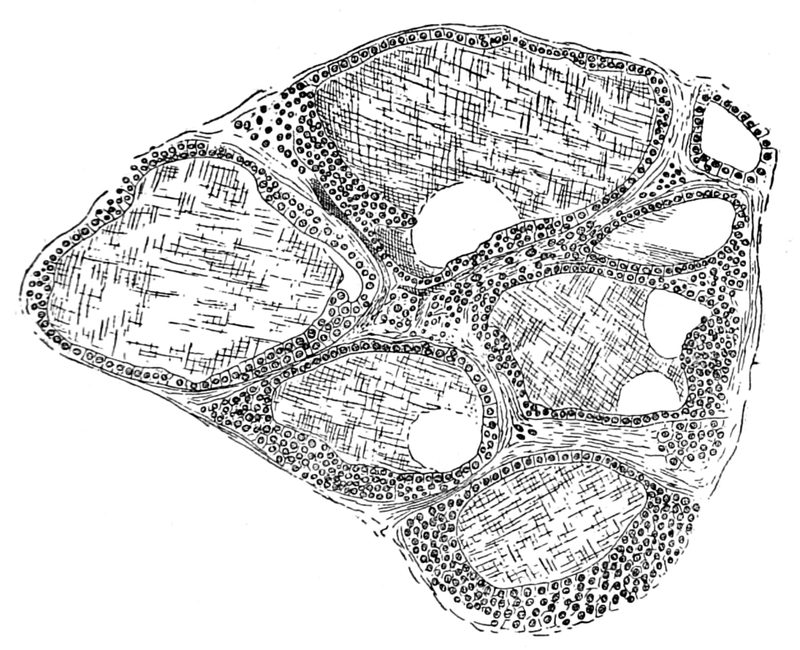 Same disease or problem1891Murray's sheep thyroid extract for myxedemaIodized salt ended cretinism in Switzerland, and Murray treated thyroid failure with sheep thyroid extract. His story shows a woman who lived 28 more years on it.Read this moment
-
 Same disease or problem1956Water Fluoridation (Grand Rapids study, 10-year results)Both added a trace element to everyday supplies to prevent disease, iodine to salt and fluoride to water. The fluoridation story shows children with about 60 percent less tooth decay.Read this moment