Foundational Discovery
1988
Elion, Hitchings and rational drug design
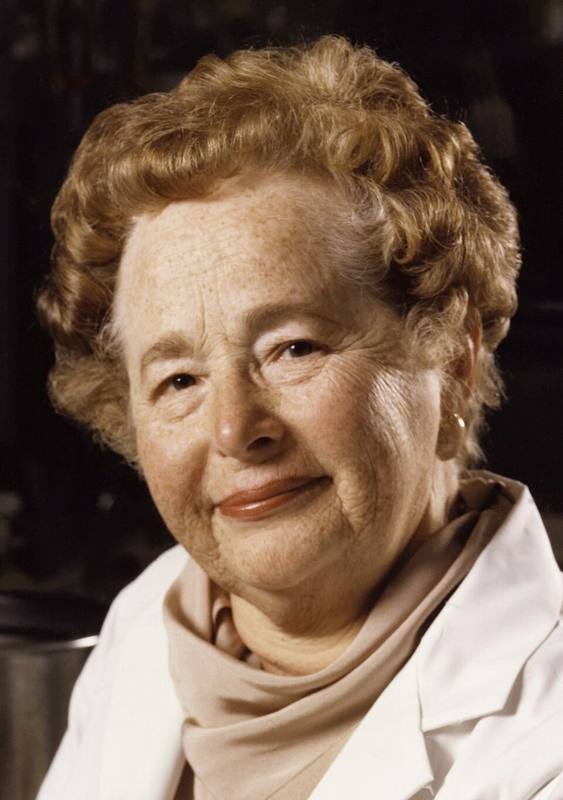
From the 1940s Gertrude Elion and George Hitchings designed drugs that exploit differences in how normal cells, cancer cells and microbes make nucleic acids. Their work gave 6-mercaptopurine, azathioprine, allopurinol, trimethoprim and acyclovir, and a share of the 1988 Nobel Prize.
Key people
- Gertrude B. Elion
- Burroughs Wellcome chemist; Nobel laureate 1988
- George H. Hitchings
- Burroughs Wellcome biochemist; Nobel laureate 1988
Source
Drugs had mostly come from natural products, chemically modified, or from trial and error. George Hitchings tried a different route. In 1942 he joined the Wellcome Research Laboratories in Tuckahoe, New York, run by the British firm Burroughs Wellcome, as head and sole member of its biochemistry department. His idea was that cancer cells, bacteria, protozoa and viruses might build nucleic acids differently from normal human cells, and that a false building block could stop them while sparing the patient.
Gertrude Elion joined him in 1944. Her grandfather's death from cancer, when she was 15, had steered her into chemistry at Hunter College, which charged no tuition. Laboratory jobs for women were scarce, and she had taught school and done quality control for a food company. She never finished a doctorate; when Brooklyn Polytechnic Institute told her she would have to give up her job to study full time, she kept the job. The group tested compounds on Lactobacillus casei, a bacterium that needs folic acid or purines and pyrimidines to grow.
In 1948 they found diaminopurine, which blocked the bacterium and experimental leukemia but proved too toxic in patients. Thioguanine followed in 1950 and 6-mercaptopurine in 1951. Tried with the Sloan-Kettering Institute in leukemia patients resistant to methotrexate, 6-mercaptopurine produced complete remission in about a third (1953). Hitchings's group also made pyrimethamine for malaria (1950) and trimethoprim for bacterial infections (1956); trimethoprim binds the bacterial enzyme dihydrofolate reductase 100,000 times more strongly than the human one. Both worked better with sulfonamides.
A sulfur-substituted relative of 6-mercaptopurine, azathioprine (1957), suppressed the immune response and was for a long time the only drug to prevent rejection of transplanted organs. Allopurinol (1963) blocks uric acid formation and treats gout. Acyclovir, described by Elion and coworkers in 1977, is switched on by an enzyme that herpes virus makes in infected cells, and was the first effective drug against herpes infections. Elion's colleagues later developed the AIDS drug AZT on the same principle.
Elion and Hitchings shared the 1988 Nobel Prize in Physiology or Medicine with James Black. Hitchings died in 1998 and Elion in 1999.
Keep exploring
 Read next · same disease or problem
First Successful Kidney Transplant (1954)
Their azathioprine was long the only drug to prevent rejection, and it made kidney transplants between unrelated people possible. The kidney entry shows the Herrick twins' operation that opened the field.
Read this moment
Read next · same disease or problem
First Successful Kidney Transplant (1954)
Their azathioprine was long the only drug to prevent rejection, and it made kidney transplants between unrelated people possible. The kidney entry shows the Herrick twins' operation that opened the field.
Read this moment
 Today on The Clinical Times
Love to Dream recalls portable baby sound machine over fire and burn risk
Love to Dream has recalled its portable Sleep Machine because its lithium-ion battery can overheat while charging with an incompatible charger, creating a risk of fire and burns.
Read today’s top stories
Today on The Clinical Times
Love to Dream recalls portable baby sound machine over fire and burn risk
Love to Dream has recalled its portable Sleep Machine because its lithium-ion battery can overheat while charging with an incompatible charger, creating a risk of fire and burns.
Read today’s top stories
All 526 moments in the history of medicine. This one is in chapter 6, Trials, scanners and rights
Connected moments
How this moment links to others in the history of medicine, and what you will find in each.
-
 Same disease or problem1979Total Therapy / combination treatment curing childhood ALLTheir 6-mercaptopurine became part of the drug combinations that made childhood leukemia curable. The Total Therapy entry shows St Jude raising survival from near zero to about half.Read this moment
-
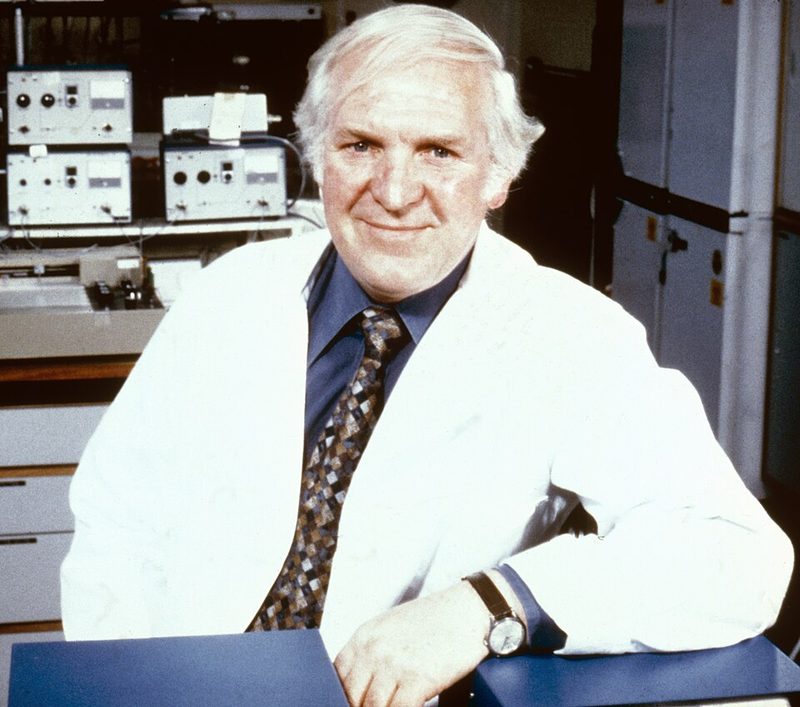 Same person1964Propranolol and the beta blockersElion and Hitchings shared the 1988 Nobel Prize with James Black, who designed propranolol. The propranolol entry shows his receptor-blocking drug for angina and high blood pressure.Read this moment
-
 Same disease or problem1935Prontosil and the Sulfonamide DrugsTheir pyrimethamine and trimethoprim worked best together with sulfonamides, the first effective antibacterial drugs. The Prontosil entry shows the red dye that introduced the sulfa drugs in 1935.Read this moment