Cardiology
1964
Propranolol and the beta blockers
James Black's team at ICI developed propranolol, the first beta blocker suitable for wide clinical use, to cut the heart's oxygen demand in angina. Beta blockers went on to treat hypertension and arrhythmias and to lower death rates after heart attacks.
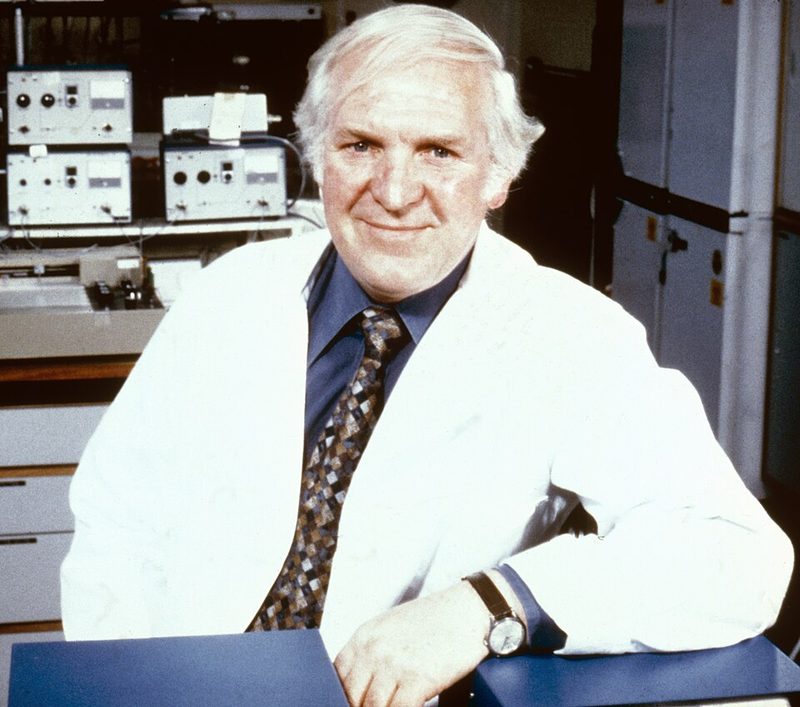
Key people
- James W. Black
- ICI pharmacologist who developed pronethalol and propranolol; Nobel Prize 1988
- B. N. Prichard
- Physician who reported propranolol for hypertension in 1964
Source
Angina comes when narrowed coronary arteries cannot deliver the oxygen that working heart muscle needs. Until the 1960s the only drugs for it were nitrates, which helped only partly. In 1948 Ahlquist had proposed that adrenaline acts through two groups of receptors, alpha and beta. James Black, a British pharmacologist whose father had died suddenly of a heart attack while Black was at medical school, reasoned that blocking the beta receptors would lower the heart's workload and so its demand for oxygen.
Black joined ICI Pharmaceuticals in 1958 and began the work that year. Another group had made a beta-blocking compound, dichloroisoprenaline, in 1958; it slowed the heart but was fit only for animal studies. Taking the related molecule isoprenaline as a template, Black's group, with medicinal chemistry by John Stephenson, produced pronethalol in 1962 and propranolol in 1964. Pronethalol was later withdrawn because it could cause cancer. Propranolol, safer and more potent, was sold as Inderal.
Clinical trials bore out Black's reasoning in angina, and doctors soon noticed that pronethalol and propranolol lowered blood pressure. In 1964 B. N. Prichard and P. M. Gillam reported propranolol for hypertension, and beta blockers became a first-line treatment for it and were used for arrhythmias. In 1978 Prichard warned that heart failure and asthma were the two harmful effects to avoid by careful choice of patients.
The Beta-Blocker Heart Attack Trial, published in 1982, randomized 3,837 patients after myocardial infarction to propranolol or placebo. Total mortality was 7.2 percent on propranolol and 9.8 percent on placebo. Propranolol later found uses in migraine, essential tremor, anxiety, portal hypertension and thyrotoxicosis.
In 1972 Black characterized the histamine H2 receptor and went on to develop cimetidine for peptic ulcer. He shared the 1988 Nobel Prize in Physiology or Medicine with Gertrude Elion and George Hitchings for their discoveries of important principles for drug treatment.
Keep exploring
 Read next · same disease or problem
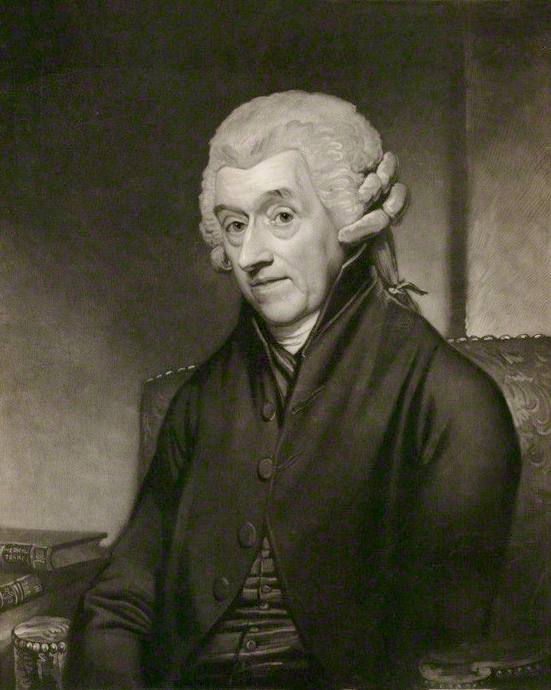
Heberden's account of angina pectoris (1768)
Propranolol was designed to ease angina by cutting the heart's demand for oxygen. Heberden's entry shows the 1768 paper that first described chest pain brought on by walking and named it angina pectoris.
Read this moment
Read next · same disease or problem
Heberden's account of angina pectoris (1768)
Propranolol was designed to ease angina by cutting the heart's demand for oxygen. Heberden's entry shows the 1768 paper that first described chest pain brought on by walking and named it angina pectoris.
Read this moment
 Today on The Clinical Times
Love to Dream recalls portable baby sound machine over fire and burn risk
Love to Dream has recalled its portable Sleep Machine because its lithium-ion battery can overheat while charging with an incompatible charger, creating a risk of fire and burns.
Read today’s top stories
Today on The Clinical Times
Love to Dream recalls portable baby sound machine over fire and burn risk
Love to Dream has recalled its portable Sleep Machine because its lithium-ion battery can overheat while charging with an incompatible charger, creating a risk of fire and burns.
Read today’s top stories
All 526 moments in the history of medicine. This one is in chapter 6, Trials, scanners and rights
Connected moments
How this moment links to others in the history of medicine, and what you will find in each.
-
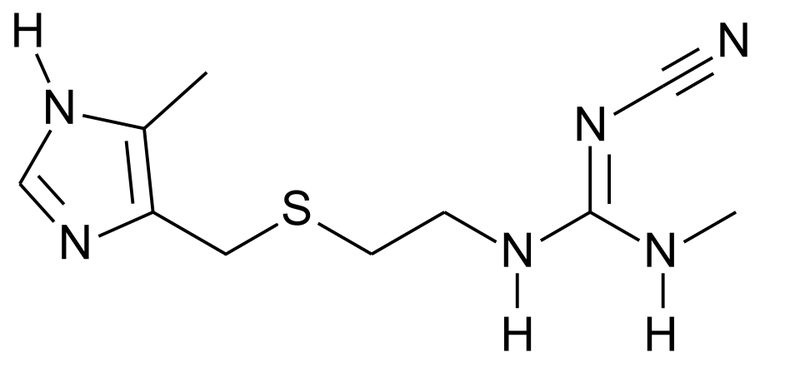 Same person1976Cimetidine and the H2 blockersJames Black used the same receptor blocking logic again, this time on histamine in the stomach. The cimetidine entry shows how his drug healed peptic ulcers without surgery.Read this moment
- Same disease or problem1967VA Cooperative Study of antihypertensive treatmentBeta blockers soon became a first line treatment for high blood pressure. The VA trial shows the first adequately powered proof that lowering blood pressure with drugs prevents serious complications.Read this moment
-
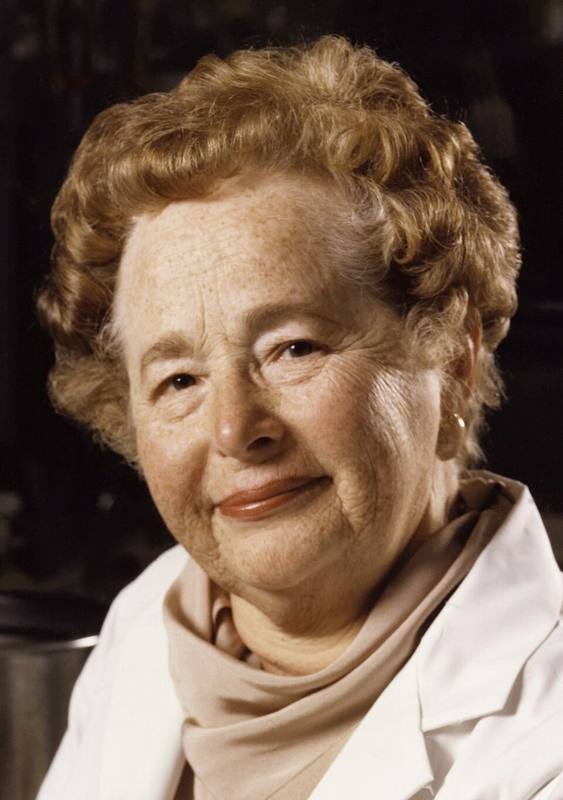 Same person1988Elion, Hitchings and rational drug designJames Black shared the 1988 Nobel Prize with Gertrude Elion and George Hitchings for principles of drug treatment. Their entry shows how designing drugs around nucleic acid chemistry gave azathioprine, allopurinol and acyclovir.Read this moment