Foundational Discovery
1899
Introduction of aspirin
Bayer chemists made acetylsalicylic acid in a pure, stable form in 1897, and in March 1899 the company registered it as Aspirin and began supplying hospitals. It gave doctors a salicylate for pain and fever that was easier on the stomach.
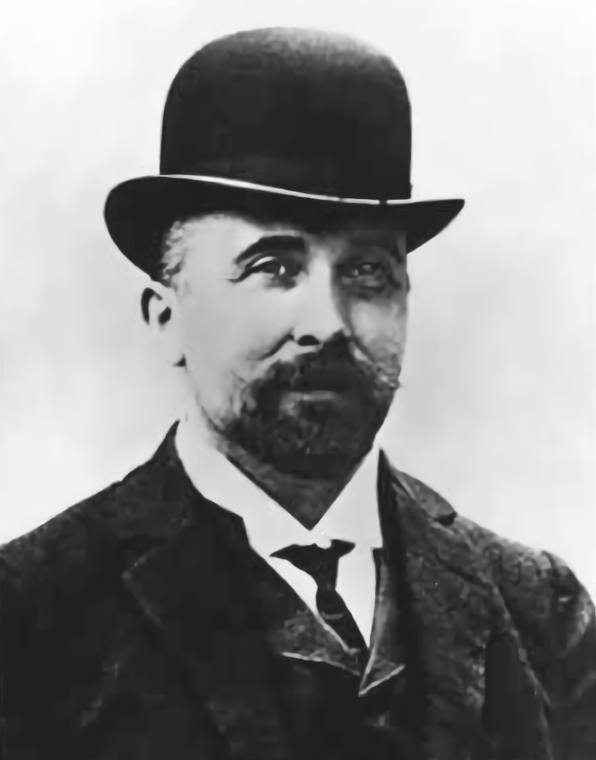
Key people
- Felix Hoffmann
- Bayer chemist who made pure acetylsalicylic acid in 1897
- Arthur Eichengrün
- Bayer research head whose part in developing aspirin is debated
- Heinrich Dreser
- Head of Bayer's pharmacology laboratory; wrote the first aspirin article
Source
Witthauer K. Aspirin, ein neues Salicylpräparat. Die Heilkunde 1899;3:396. (opens in a new tab)
Willow bark had been ground into powder for pain and fever since ancient times, and in 1763 the Reverend Edward Stone told the Royal Society that it relieved agues. In the 19th century chemists took the remedy apart. Henri Leroux isolated salicin in 1829, Raffaele Piria obtained salicylic acid from it in 1838, and Hermann Kolbe worked out how to make salicylic acid from simpler molecules. The Heyden company near Dresden began selling synthetic salicylic acid in 1874.
Salicylic acid worked, but it irritated the stomach and some patients could not tolerate it at all. At Bayer, a dye maker moving into medicines, the chemist Felix Hoffmann spent the summer of 1897 adding acetyl groups to one molecule after another, a method that had already given the company the fever drug phenacetin in 1888. Acetylated salicylic acid came out pure and stable. Charles Gerhardt in France had made the compound in 1853, and a German chemist later, but neither had produced it in a usable form.
Who deserves the credit is disputed. The Science History Institute calls the story that Hoffmann was trying to ease his father's rheumatism a legend, and it cites evidence that Arthur Eichengrün, Bayer's head of chemical research, had a large share in the work and may have been left out of the account from the 1930s because he was Jewish. Eichengrün handed the compound to local physicians. Heinrich Dreser, head of Bayer's pharmacology laboratory, tested it on himself and on animals, and although he had doubted it at first, he wrote the first article on it; his contract paid him royalties on drugs he introduced.
In 1899 the physicians Kurt Witthauer and Julius Wohlgemuth published trials in Die Heilkunde and Therapeutische Monatshefte and judged that its benefits outweighed its side effects. On 6 March 1899 Bayer registered the name Aspirin, built from A for acetyl and spirin from Spiraea, a plant genus that yields salicylic compounds, and began sending the white powder to hospitals and clinics. Tablets followed in 1900.
Germany refused Bayer a patent because the compound had been made before, but a United States patent gave the company a monopoly there from 1900 to 1917. In 1919, after the First World War, Sterling Products paid $3 million for Bayer's American drug business.
Keep exploring
 Read next · led to
Vane and how aspirin works (1971)
Aspirin was used for seventy years before anyone knew how it worked, until Vane showed it blocks prostaglandins. His story explains both its benefits and its side effects.
Read this moment
Read next · led to
Vane and how aspirin works (1971)
Aspirin was used for seventy years before anyone knew how it worked, until Vane showed it blocks prostaglandins. His story explains both its benefits and its side effects.
Read this moment
 Today on The Clinical Times
Love to Dream recalls portable baby sound machine over fire and burn risk
Love to Dream has recalled its portable Sleep Machine because its lithium-ion battery can overheat while charging with an incompatible charger, creating a risk of fire and burns.
Read today’s top stories
Today on The Clinical Times
Love to Dream recalls portable baby sound machine over fire and burn risk
Love to Dream has recalled its portable Sleep Machine because its lithium-ion battery can overheat while charging with an incompatible charger, creating a risk of fire and burns.
Read today’s top stories
All 526 moments in the history of medicine. This one is in chapter 4, Germs, numbers and clean water
Connected moments
How this moment links to others in the history of medicine, and what you will find in each.
-
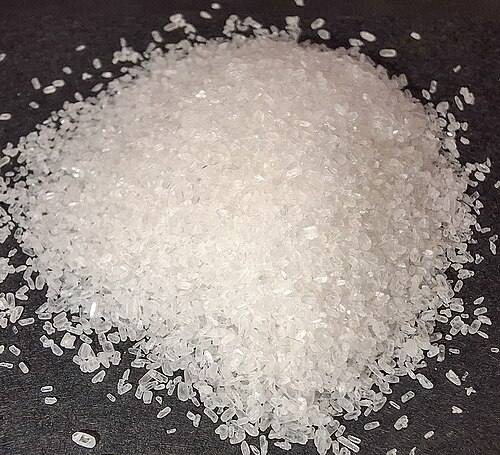 Led to1988ISIS-2 (Second International Study of Infarct Survival)Bayer's pain and fever drug was later tested against heart attacks, and ISIS 2 found it cut vascular deaths by about a quarter. That trial put aspirin into routine heart attack care.Read this moment
- Same disease or problem1982Reye's syndrome and the aspirin warningAspirin was sold as gentler on the stomach, but in children with flu or chickenpox it was linked to Reye's syndrome. That story shows warning labels and cases falling from 555 to a few dozen a year.Read this moment