Public Health
1851
The first International Sanitary Conference
In 1851, at France's invitation, 12 mostly European nations met in Paris to seek common quarantine rules against cholera, plague and yellow fever. The meeting achieved little, but it began the series of conferences that preceded the World Health Organization.
Cholera had swept across Europe's borders since the 1830s, and governments had never acted together on quarantine. In 1830 severe quarantines and sanitary cordons in Russia, Prussia and central Europe had failed to stop the disease, and many blamed restrictive measures for harming trade. France reformed its own sanitary code in 1847 and 1849 and posted resident physicians in Turkey and Egypt to report on health there and to issue bills of health to departing ships. It then invited other governments to Paris.
The International Sanitary Conference met in Paris in 1851 with 12 nations, mostly European. Each sent two delegates, a physician and a diplomat, and since both had a free vote they often cancelled each other out. Neither the doctors nor the diplomats knew what cholera was or how it spread. The delegates agreed that plague and yellow fever were contagious but reached no consensus on cholera.
The convention it drafted included special provisions for the East: a health council at Constantinople with as many European delegates as Ottoman officials, and 26 European doctors stationed in the region, with a central doctor at each of Constantinople, Smyrna, Beirut and Alexandria to study local diseases, inspect their districts and report. Only France, Portugal and Sardinia joined the treaty that came out of it, in May 1853.
Nine more conferences followed in the 19th century, and only one of them produced useful decisions, according to the writer Wendy Moore in the BMJ. By the 14th and last, in 1938, three bodies competed to lead international health: the Office International d'Hygiène Publique, the Pan American Sanitary Bureau and the Health Organisation of the League of Nations. The three diseases debated in Paris in 1851 were still the only ones subject to the International Health Regulations in force in 2005.
Keep exploring
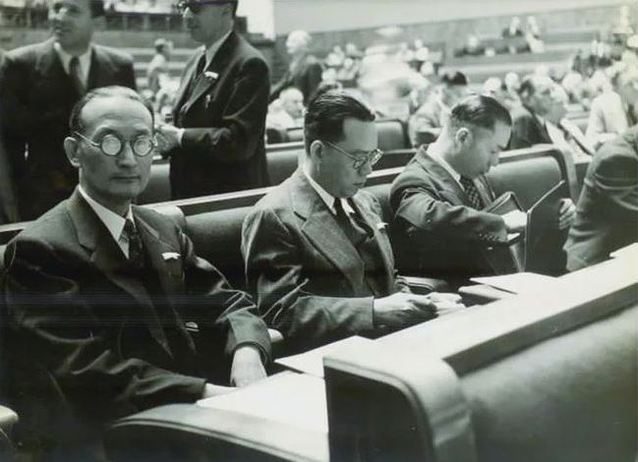 Read next · led to
Founding of the World Health Organization (1948)
The Paris conference began a series of international health meetings that came before the World Health Organization. The WHO story shows the new agency founded in 1948, defining health as complete physical, mental and social well-being.
Read this moment
Read next · led to
Founding of the World Health Organization (1948)
The Paris conference began a series of international health meetings that came before the World Health Organization. The WHO story shows the new agency founded in 1948, defining health as complete physical, mental and social well-being.
Read this moment
 Today on The Clinical Times
Love to Dream recalls portable baby sound machine over fire and burn risk
Love to Dream has recalled its portable Sleep Machine because its lithium-ion battery can overheat while charging with an incompatible charger, creating a risk of fire and burns.
Read today’s top stories
Today on The Clinical Times
Love to Dream recalls portable baby sound machine over fire and burn risk
Love to Dream has recalled its portable Sleep Machine because its lithium-ion battery can overheat while charging with an incompatible charger, creating a risk of fire and burns.
Read today’s top stories
All 526 moments in the history of medicine. This one is in chapter 4, Germs, numbers and clean water
Connected moments
How this moment links to others in the history of medicine, and what you will find in each.
-
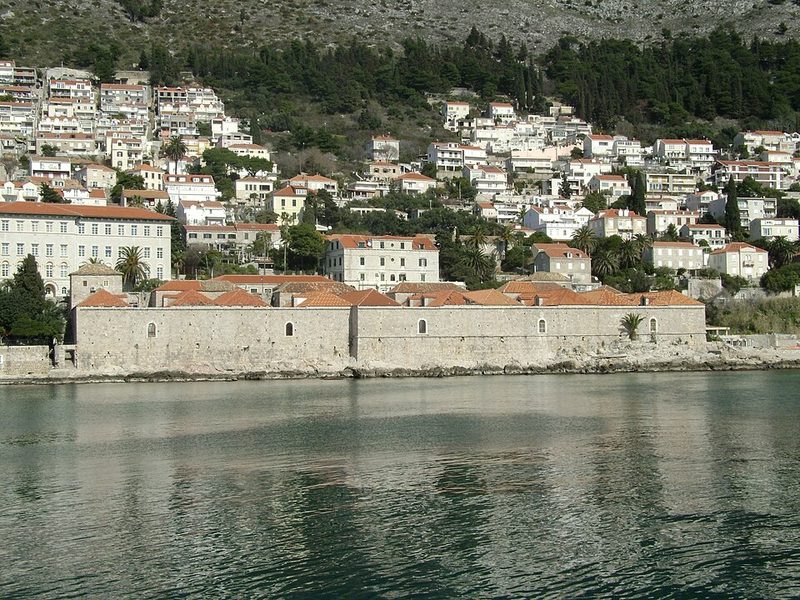 Same disease or problem1377The Ragusa quarantine decreeIn 1851 nations tried to agree common quarantine rules, the tool Ragusa had invented in 1377. The Ragusa story shows arrivals from plague areas isolated for a month, later forty days, which gave quarantine its name.Read this moment
-
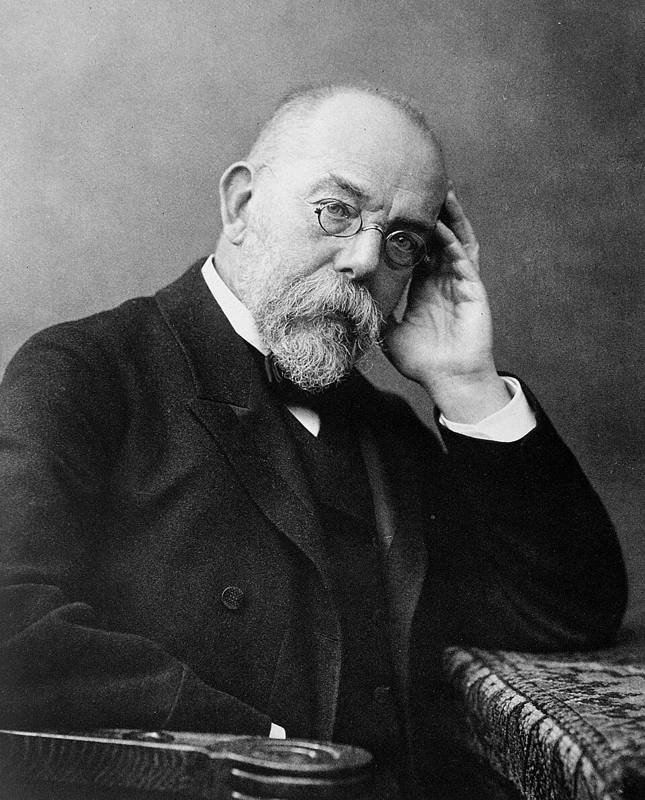 Same disease or problem1883Koch's identification of the cholera bacillusThe delegates of 1851 did not know what cholera was or how it spread, and in 1883 Koch identified its germ. His story shows the comma shaped bacillus found in Egypt and Calcutta.Read this moment
-
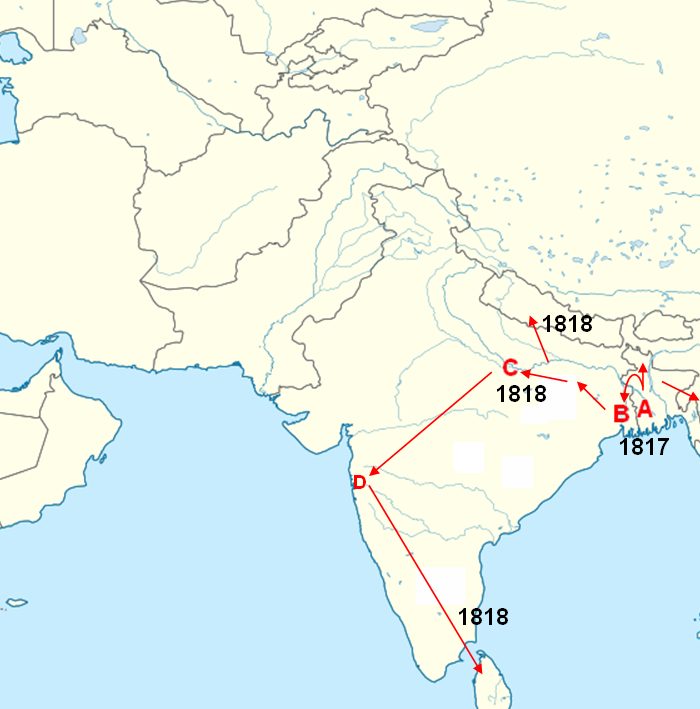 Same disease or problem1817The first cholera pandemicCholera had crossed borders since the pandemic that began in Bengal in 1817, and in 1851 nations first met to act together on it. The 1817 story shows how the disease first spread far beyond India.Read this moment