Public Health
1779
Frank's System of Medical Police
Johann Peter Frank published the first volume of a treatise on what a government owed to the health of its subjects, from marriage and childbirth to food, housing and medical teaching. The last of its six volumes appeared forty years later.
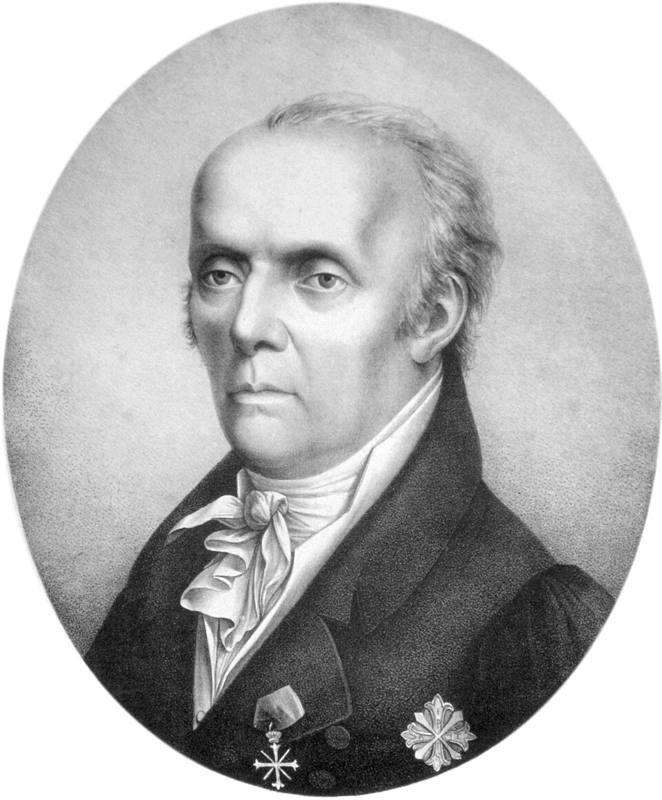
Key people
- Johann Peter Frank
- Physician and author of the System, 1779 to 1819
Source
In 1766, when Frank was 21 and finishing his medical degree at Heidelberg, the dean, Oberkamp, asked what original work he hoped to do. Many diseases, Frank answered, needed some form of public control that a doctor and a patient could not supply alone. Oberkamp replied that there were only scattered ordinances. Frank meant to write the whole system, and he already had a name for it: medicinische Polizey, medicine administered by the officers of the state. He had a volume written by 1768. The Karlsruhe publisher Macklot turned it down, and Frank burned the manuscript.
In the years that followed he taught courses for midwives, with demonstrations and examinations. As town and county physician in Bruchsal he had charge of the garrison hospital and of the poor relief institutions of 36 villages, and he became personal physician to the Prince-Bishop of Speyer. In his autobiography he claimed that his supervision of midwives in one community cut maternal deaths from 1 in 85 pregnancies to 1 in 125. In 1776 he printed a Latin circular asking scholars to send him the health decrees of princes.
The first volume, its preface signed at Bruchsal in 1778, came out at Mannheim from the bookseller C. F. Schwan in 1779. Frank defined medical police as the part of the science of police that guards the health of people living in society, and of the animals they need for work and food. This volume dealt with celibacy, with marriages made too young, too late or between unhealthy partners, with the upbringing of girls as future mothers, with the protection of pregnant women and the unborn, and with care in labour and after birth. The third volume, of 1783, covered food and drink, dress, public amusements and the building and cleanliness of houses.
The book made Frank famous. After a year at Göttingen he moved in 1785 to Pavia, where he rose to direct the medical services of Austrian Lombardy and in 1790 spoke on the misery of the people as the mother of diseases. From 1795 he directed the General Hospital in Vienna; later posts took him to Vilnius and St Petersburg. The fourth volume of the System appeared in 1788, the fifth in 1813 and the sixth, in Vienna, from 1817 to 1819. Frank died in Vienna on 24 April 1821.
Keep exploring
 Read next · same disease or problem
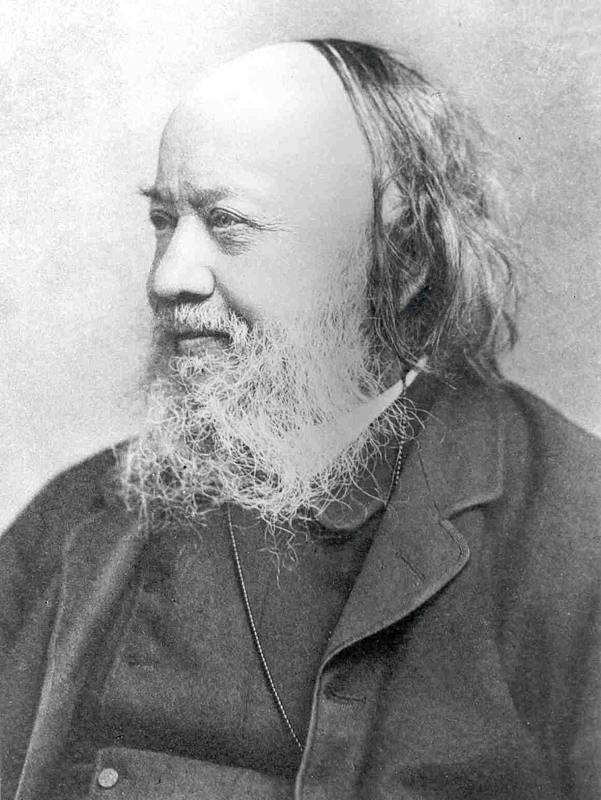
Chadwick's sanitary report (1842)
Frank argued that a government owed its people health, down to food, housing and cleanliness, and Chadwick made the case for Britain with statistics. His report ties the early deaths of the working poor to sewers, refuse and water.
Read this moment
Read next · same disease or problem
Chadwick's sanitary report (1842)
Frank argued that a government owed its people health, down to food, housing and cleanliness, and Chadwick made the case for Britain with statistics. His report ties the early deaths of the working poor to sewers, refuse and water.
Read this moment
 Today on The Clinical Times
Love to Dream recalls portable baby sound machine over fire and burn risk
Love to Dream has recalled its portable Sleep Machine because its lithium-ion battery can overheat while charging with an incompatible charger, creating a risk of fire and burns.
Read today’s top stories
Today on The Clinical Times
Love to Dream recalls portable baby sound machine over fire and burn risk
Love to Dream has recalled its portable Sleep Machine because its lithium-ion battery can overheat while charging with an incompatible charger, creating a risk of fire and burns.
Read today’s top stories
All 526 moments in the history of medicine. This one is in chapter 3, Anatomy and observation
Connected moments
How this moment links to others in the history of medicine, and what you will find in each.
-
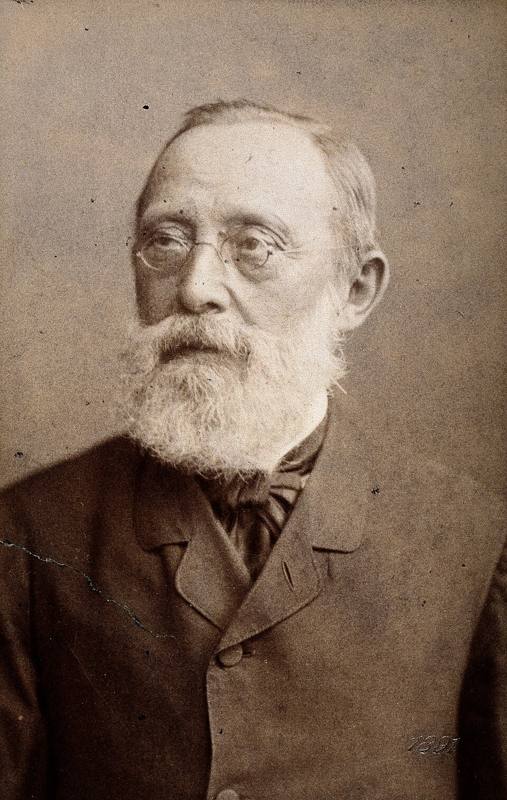 Same disease or problem1848Virchow's report on typhus in Upper SilesiaFrank spoke of the misery of the people as the mother of diseases, and Virchow blamed a typhus epidemic on poverty, hunger and neglect. His report shows a physician calling for democracy, education and economic reform.Read this moment
-
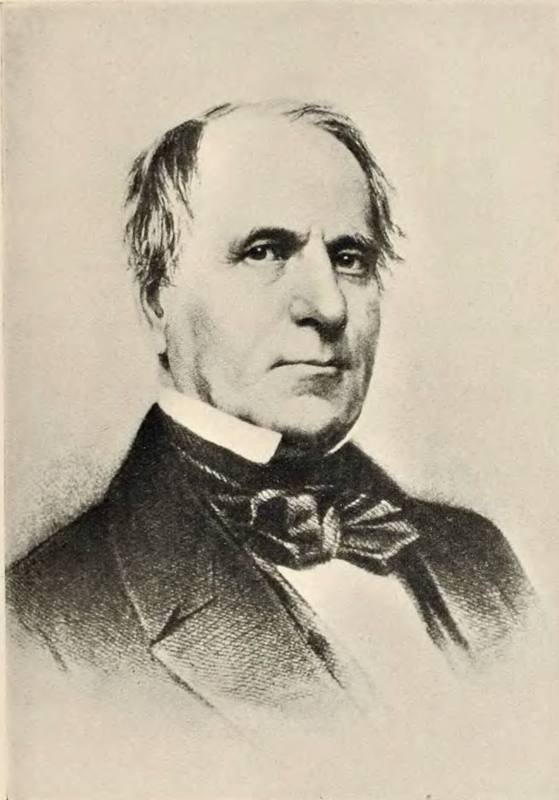 Same disease or problem1850Shattuck's sanitary report for MassachusettsFrank laid out what a state should do for its people's health, and Shattuck drew up such a plan for Massachusetts. His report shows 50 proposed measures, among them state and local boards of health and full registration of births and deaths.Read this moment