Research Methods & Ethics
1676
Sydenham's Observationes Medicae
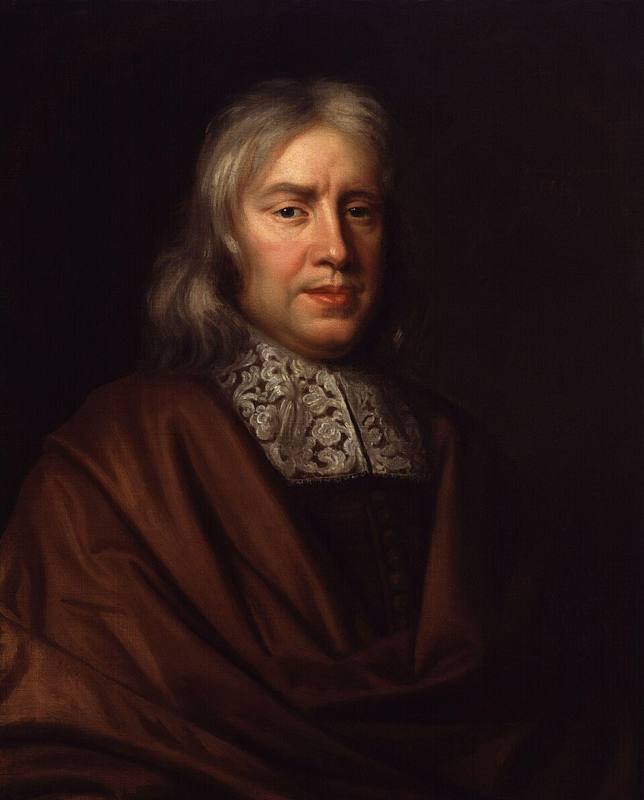
Thomas Sydenham's enlarged book on acute diseases described their course and treatment from his own observation of patients, the approach that earned him the name of the English Hippocrates.
Key people
- Thomas Sydenham
- Licentiate of the College of Physicians who built treatment on bedside observation
Source
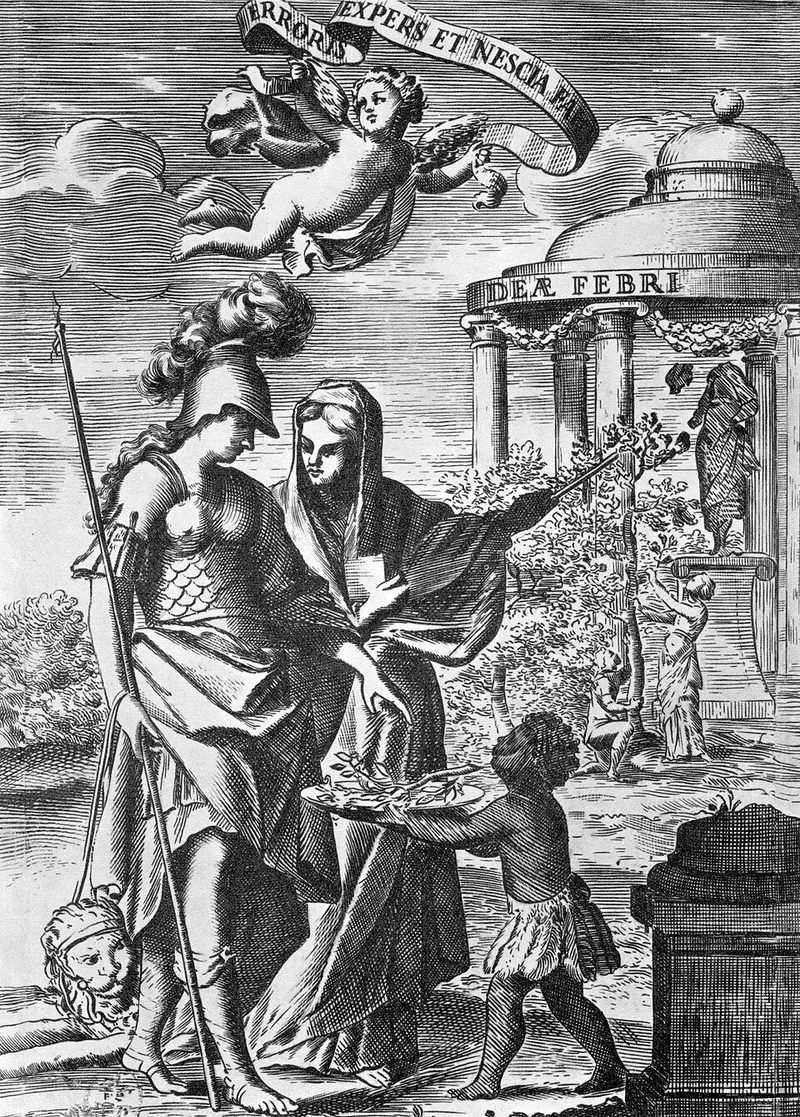
Thomas Sydenham's first book on fevers put its method in its title: Methodus curandi febres, propriis observationibus superstructa, a way of curing fevers built on his own observations. It came out in 1666. Ten years later he reissued it, much enlarged, as Observationes medicae circa morborum acutorum historiam et curationem, observations on the history and cure of acute diseases, printed in London by G. Kettilby.
Sydenham was born at Winford Eagle in Dorset in 1624 and entered Magdalen Hall, Oxford, in 1642. During the Civil War he is generally thought to have served on the side of Parliament, a cause his whole family supported. He became a bachelor of medicine in 1648 and a licentiate of the College of Physicians in 1663, and he took his MD at Cambridge only in May 1676.
The Royal College of Physicians' biography describes a man absorbed in watching disease who set little store by academic honors, and it calls him the British Hippocrates. His later writings kept to the same pattern: letters on the epidemic diseases of 1675 to 1680, a treatise on confluent smallpox and hysteria in 1682, and practical advice on fevers in 1686. He could also change his mind. In 1666 he was lukewarm about Peruvian bark for fevers, and ten years later, the James Lind Library notes, he called it the only specific.
For much of his life Sydenham suffered from gout and from stones in the kidney. He died at his house in Pall Mall on 29 December 1689, aged 65. A last work setting out his methods of treatment was published in 1693.
Keep exploring
 Read next · built on
Cinchona Bark as a Remedy for Malaria (c. 1630)
Sydenham was lukewarm about Peruvian bark in 1666 and ten years later called it the only specific. The cinchona story shows where the bark came from and how it stayed the best malaria treatment until the 1940s.
Read this moment
Read next · built on
Cinchona Bark as a Remedy for Malaria (c. 1630)
Sydenham was lukewarm about Peruvian bark in 1666 and ten years later called it the only specific. The cinchona story shows where the bark came from and how it stayed the best malaria treatment until the 1940s.
Read this moment
 Today on The Clinical Times
Love to Dream recalls portable baby sound machine over fire and burn risk
Love to Dream has recalled its portable Sleep Machine because its lithium-ion battery can overheat while charging with an incompatible charger, creating a risk of fire and burns.
Read today’s top stories
Today on The Clinical Times
Love to Dream recalls portable baby sound machine over fire and burn risk
Love to Dream has recalled its portable Sleep Machine because its lithium-ion battery can overheat while charging with an incompatible charger, creating a risk of fire and burns.
Read today’s top stories
All 526 moments in the history of medicine. This one is in chapter 3, Anatomy and observation
Connected moments
How this moment links to others in the history of medicine, and what you will find in each.
-
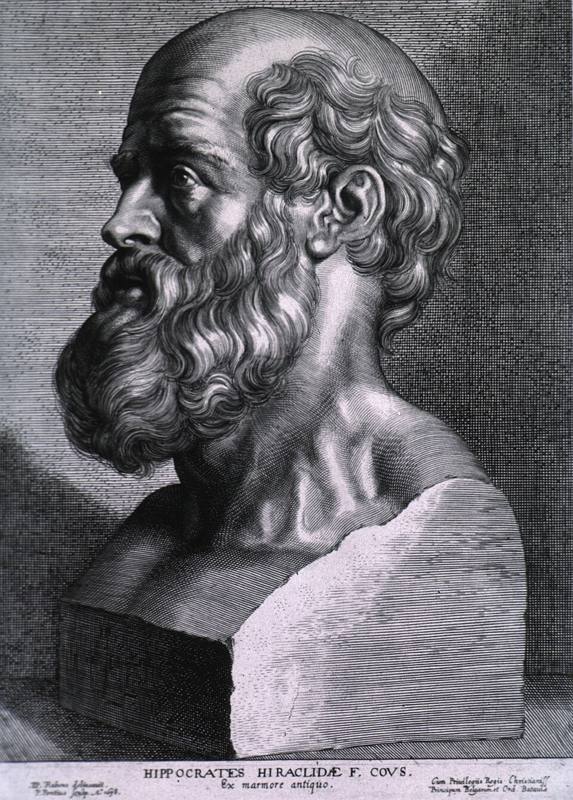 Same disease or problemc. 400 BCEThe Hippocratic CorpusSydenham built his medicine on watching the course of disease, which earned him the name of the English Hippocrates. The Corpus shows the original, Greek physicians who studied patients, seasons and places instead of blaming the gods.Read this moment
-
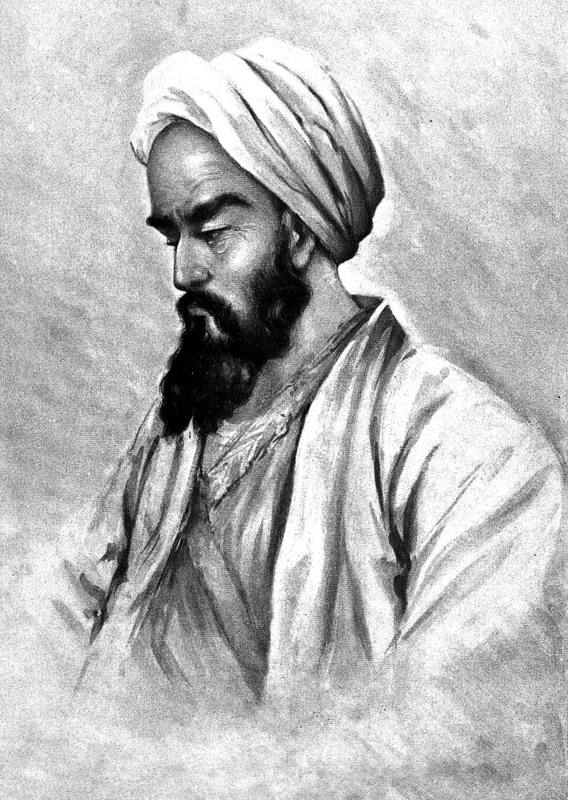 Same disease or problemc. 900 CEAl-Razi's treatise on smallpox and measlesSydenham wrote a treatise on confluent smallpox, and al-Razi had described the disease's signs and outlook around 900. Al-Razi's book shows smallpox told apart from measles by close observation of patients.Read this moment