Foundational Discovery
1676
Leeuwenhoek's Animalcules
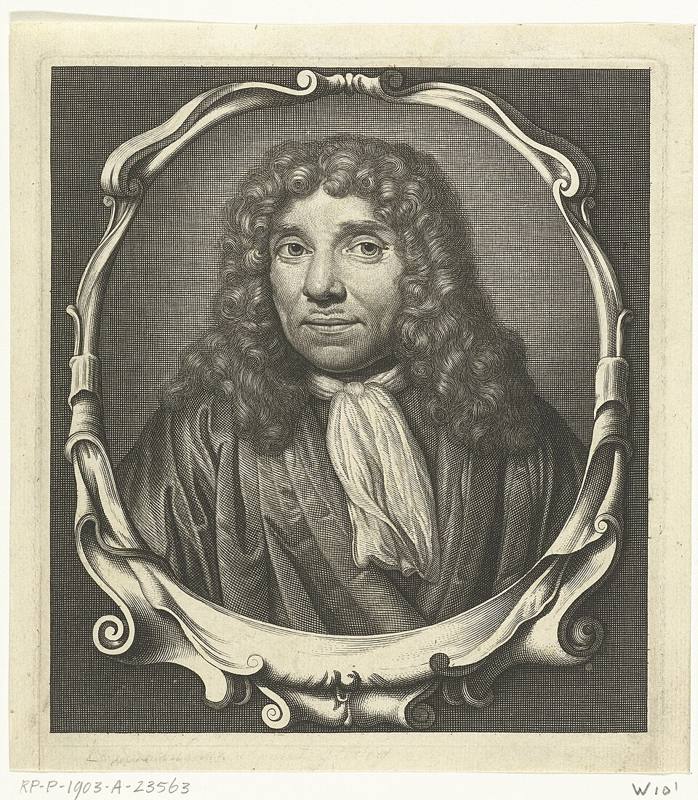
In a 1676 letter to the Royal Society, Antoni van Leeuwenhoek of Delft reported single-celled organisms he had seen through his own single-lens microscopes, one of them possibly a bacterium, at a time when no one knew such creatures existed.
Key people
- Antoni van Leeuwenhoek
- Delft draper who ground lenses and described microscopic organisms
- Henry Oldenburg
- Royal Society correspondent who received and partly translated the 1676 letter
Source
The letter that left Delft on 9 October 1676 ran to 18 pages of Dutch. Antoni van Leeuwenhoek addressed it to Henry Oldenburg in London, and in it he described five kinds of animalcules, tiny living things he had watched in water in which pepper had been left to soak. One of them was possibly a bacterium. He had also examined rain, well, moat, sea and river water and infusions of other spices, and he asked whether such creatures were present in the air.
Leeuwenhoek was a tradesman with no university education who read only Dutch. Born in Delft in 1632, the son of a basket-maker, he trained in a linen-draper's shop and later worked as a draper, surveyor, wine assayer and minor city official. Some time before 1668 he learned to grind lenses. His microscopes had one lens clamped between two small metal plates, with the specimen on a pin moved by two screws, and they magnified more than 200 times. The compound microscopes of the day were of little practical use beyond 20 or 30 times.
His report was hard to credit. Nobody knew such organisms existed, and the American Society for Microbiology notes that his reputation was called into question. Oldenburg translated part of the letter, and the Royal Society printed it in Philosophical Transactions on 25 March 1677. Leeuwenhoek kept writing to the Society, in Dutch, for about fifty years, and his letters were translated into English or Latin.
Later letters went further. In 1683 he described swarms of moving animalcules in the plaque from his own teeth and from the mouths of two old men who had never cleaned theirs, among the earliest recorded observations of living bacteria. He also described blood cells, sperm cells, nematodes and rotifers. The Society elected him a fellow in 1680, though he never attended a meeting, and in 1698 he showed Tsar Peter the Great blood moving through the capillaries of an eel. He died in 1723.
Keep exploring
 Read next · built on
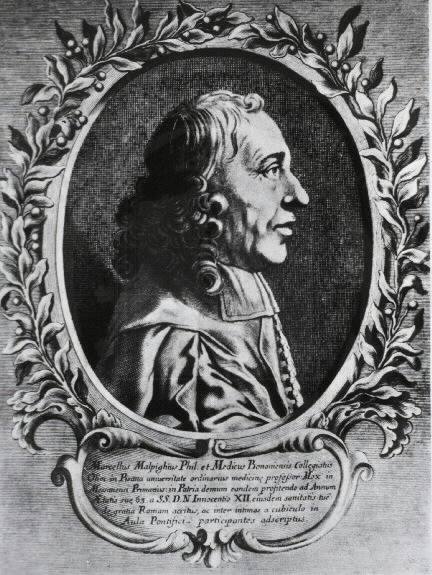
Malpighi's Discovery of the Capillaries (1661)
Malpighi found the capillaries in 1661, and Leeuwenhoek later watched blood moving through them, even showing Peter the Great the capillaries of an eel. Malpighi's story shows how that finding completed Harvey's circulation.
Read this moment
Read next · built on
Malpighi's Discovery of the Capillaries (1661)
Malpighi found the capillaries in 1661, and Leeuwenhoek later watched blood moving through them, even showing Peter the Great the capillaries of an eel. Malpighi's story shows how that finding completed Harvey's circulation.
Read this moment
 Today on The Clinical Times
Love to Dream recalls portable baby sound machine over fire and burn risk
Love to Dream has recalled its portable Sleep Machine because its lithium-ion battery can overheat while charging with an incompatible charger, creating a risk of fire and burns.
Read today’s top stories
Today on The Clinical Times
Love to Dream recalls portable baby sound machine over fire and burn risk
Love to Dream has recalled its portable Sleep Machine because its lithium-ion battery can overheat while charging with an incompatible charger, creating a risk of fire and burns.
Read today’s top stories
All 526 moments in the history of medicine. This one is in chapter 3, Anatomy and observation
Connected moments
How this moment links to others in the history of medicine, and what you will find in each.
-
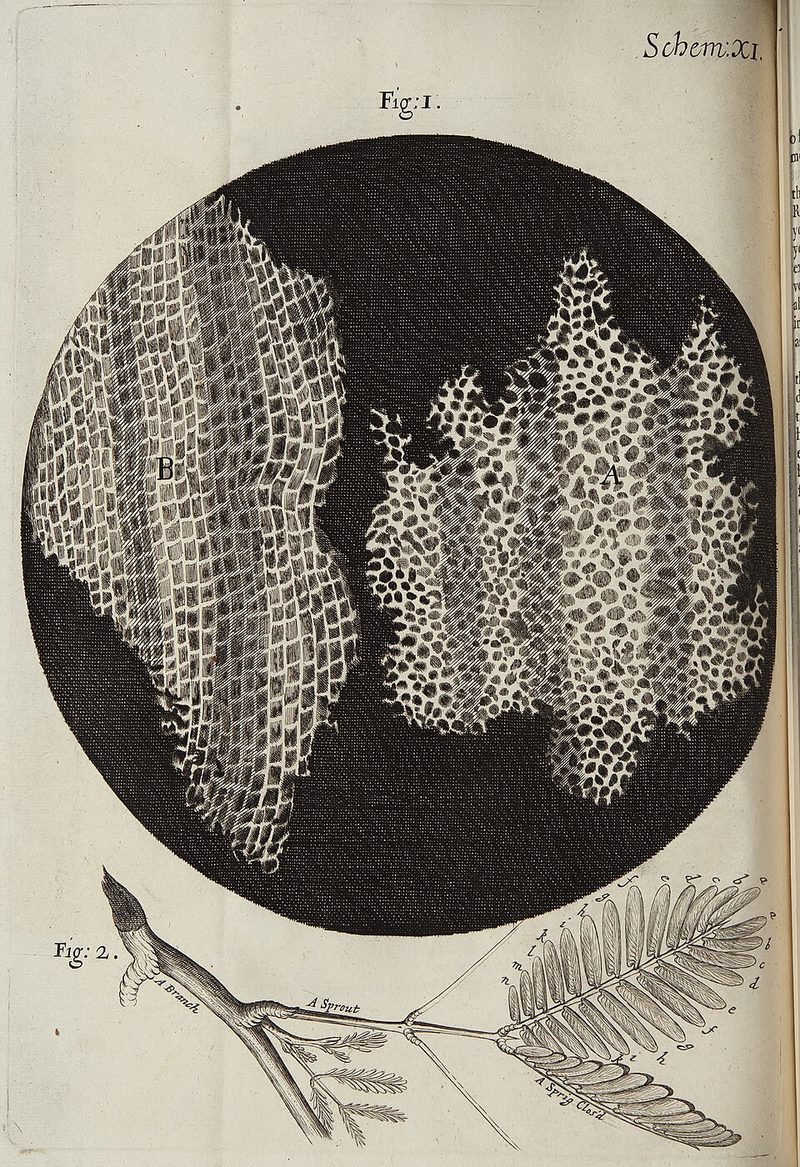 Same disease or problem1665Hooke's Micrographia and the cellHooke and Leeuwenhoek together opened up the microscopic world between 1665 and 1683. Hooke's story shows cork's cells and the first published picture of a microorganism, a mould.Read this moment
-
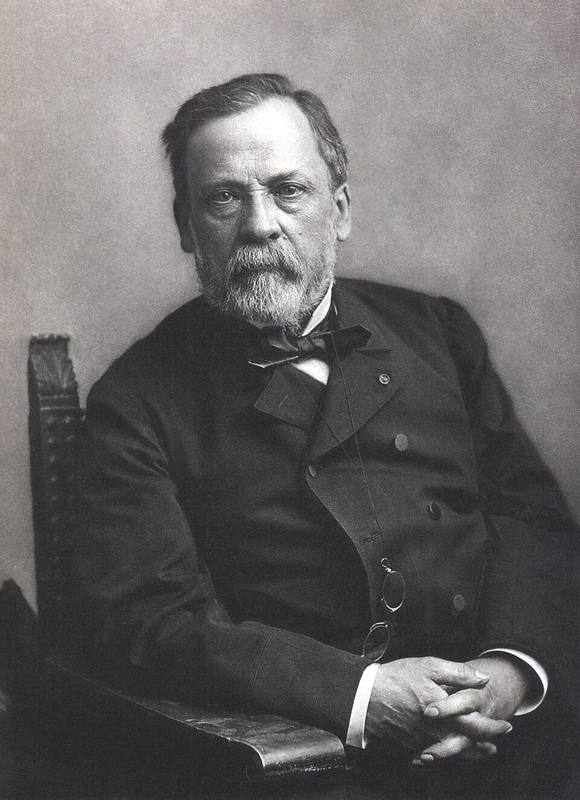 Same disease or problem1861Pasteur's refutation of spontaneous generationLeeuwenhoek asked whether his animalcules were present in the air, and Pasteur showed that airborne dust carried microbes into broth. His swan neck flasks proved that microbes come only from other microbes.Read this moment