Critical & Organ Care
1667
Transfusion of animal blood into humans
In 1667 Jean-Baptiste Denis in Paris, and Richard Lower and Edmund King in London, transfused blood from lambs and sheep into human patients. After a patient of Denis died, authorities in Paris, London and Rome forbade further transfusions into people.
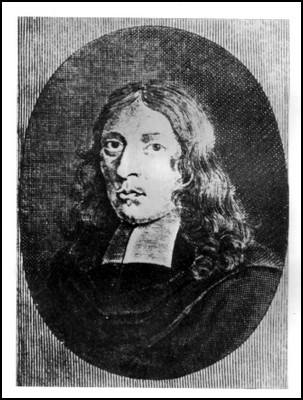
Key people
- Jean-Baptiste Denis
- Paris physician who transfused lamb's blood into a young man, 1667
- Richard Lower
- London physician who transfused sheep's blood into Arthur Coga
- Edmund King
- Physician who performed the Coga transfusion with Lower and reported it
- Arthur Coga
- Recipient of sheep's blood at Arundel House, 23 November 1667
Source
On 23 November 1667, at Arundel House in London, Richard Lower and Edmund King opened the carotid artery of a young sheep and ran its blood through silver pipes and quills into a vein in the arm of Arthur Coga. They first let 6 or 7 ounces of his own blood. The sheep's blood then flowed for at least two minutes, and they judged that he received 9 or 10 ounces before he said he had had enough.
Coga felt well during and after the operation. He wrote his own account, claiming more benefit than the two physicians were yet willing to grant, and asked for a repeat within three or four days; they chose to wait longer. King reported the case to the Royal Society on 5 December, and it was printed in the Philosophical Transactions of 9 December 1667.
Paris had got there first, and the London report refers back to the French experiment. Jean-Baptiste Denis drew about three ounces of blood from a young man and gave him about three times as much arterial blood from a lamb, starting at five in the morning. He described the case in a letter on a new way of curing sundry diseases by transfusion, printed in London in 1667.
Denis went on to treat a man named du Mauroy, whom he described as mad, and he claimed that two transfusions had cured him. When the man fell ill again, his wife pressed for a third. The surgeon Emmerez began it, but no blood would flow from the patient, the pipe was withdrawn before any calf's blood passed, and du Mauroy died the following night. His wife blocked an autopsy, and Denis later reported witnesses who said she had put arsenic in her husband's broth.
In April 1668 the criminal court of the Châtelet in Paris ordered that no transfusion be made on a human body without the approval of physicians of the Paris Faculty. The Royal College of Physicians museum records that authorities in Paris, London and Rome went on to forbid transfusions into humans.
Keep exploring
 Read next · led to
Blundell's first transfusion of human blood (1818)
The failures of the 1660s set transfusion aside for about 150 years, until Blundell revived it with human blood only. His story shows dogs revived by another dog's blood, and human blood later given to women bleeding after childbirth.
Read this moment
Read next · led to
Blundell's first transfusion of human blood (1818)
The failures of the 1660s set transfusion aside for about 150 years, until Blundell revived it with human blood only. His story shows dogs revived by another dog's blood, and human blood later given to women bleeding after childbirth.
Read this moment
 Today on The Clinical Times
Love to Dream recalls portable baby sound machine over fire and burn risk
Love to Dream has recalled its portable Sleep Machine because its lithium-ion battery can overheat while charging with an incompatible charger, creating a risk of fire and burns.
Read today’s top stories
Today on The Clinical Times
Love to Dream recalls portable baby sound machine over fire and burn risk
Love to Dream has recalled its portable Sleep Machine because its lithium-ion battery can overheat while charging with an incompatible charger, creating a risk of fire and burns.
Read today’s top stories
All 526 moments in the history of medicine. This one is in chapter 3, Anatomy and observation
Connected moments
How this moment links to others in the history of medicine, and what you will find in each.
-
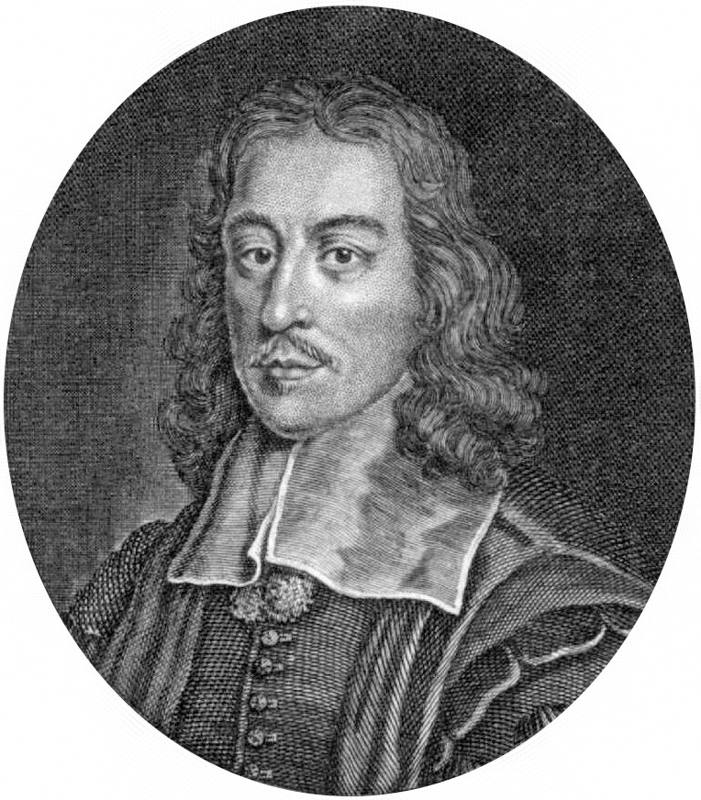 Same person1664Willis's Cerebri AnatomeRichard Lower, who transfused a sheep's blood into Arthur Coga, had earlier assisted Thomas Willis with his great book on the brain. Willis's story shows the plates by Christopher Wren and the first use of the word neurology.Read this moment
-
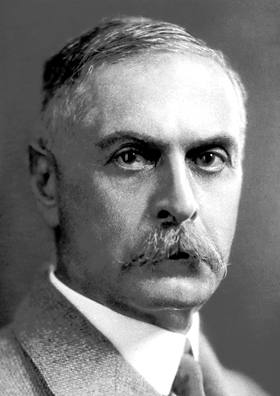 Same disease or problem1901Discovery of the ABO Blood GroupsBefore 1901 no one could predict whether a transfusion would save a patient or kill one. Landsteiner's story shows the discovery of blood groups, which made matching donor to recipient possible.Read this moment