Epidemiology
1452
Milan's civic death registers
From 1452 Milan's health office recorded every death in the city with a cause assigned by physicians, producing registers that cover roughly 115,000 deaths into the 1520s and give a medical diagnosis for most people over the age of two.
Key people
- Ann G. Carmichael
- Historian who built a database of the Milan death registers
- Samuel K. Cohn Jr
- Historian who used the registers to study plague symptoms and households
Source
On 18 February 1483 two doctors from Milan's public health office visited a married woman of 30. One was a physician who had already worked through two plagues, the other a younger surgeon. She was frightened and complained of pain in both sides of the groin. After she died the surgeon examined the body and entered plague as the cause of death. Her case is one of thousands written into the city's Necrologi, or death registers.
The health office, the Sanità, had worked with physicians of the city's College of Medicine and with the Duke of Milan's own doctors since early in the fifteenth century. Its registers survive, with gaps, from the last six months of a four-year plague that ended in 1452 until a crisis in the 1520s. According to Samuel Cohn, by 1452 Milanese doctors and health workers examined every death in the city and wrote a clinical report on each body. Burial records survive from Siena in 1348 and from Florence from the 1420s, and similar registers appeared north of the Alps later in the fifteenth century, but Cohn notes that the northern ones lacked the Milanese books' close observation of symptoms and signs. Before the 1510s the diagnoses were made by university-trained physicians writing in Latin, and most people over the age of two were given a cause.
The historian Ann Carmichael entered all the surviving records into a database, about 115,000 deaths in total. Complete runs survive for only 30 years, 16 of them before 1500. Among deaths with a cause other than plague, fevers made up 35.7%, respiratory complaints 14.6%, gastrointestinal complaints 10%, and dropsy 4.6%. Trauma accounted for 2.8% and obstetric and gynaecological causes for 2.1%.
Plague drew the closest scrutiny. Any death within a week of falling ill raised suspicion, and 40% of new plague cases were confirmed by swellings in the groin, armpit or neck, while 18.5% showed only a rash. Doctors inspected bodies but, Carmichael found, performed no dissections. The registers for the plagues of 1452, 1468, 1483, 1485, 1503 and 1523 describe spots under many names alongside the buboes. Using them to reconstruct households, Cohn and Guido Alfani found that as many as a quarter of plague deaths within a household came within 24 hours of each other.
Keep exploring
 Read next · same disease or problem
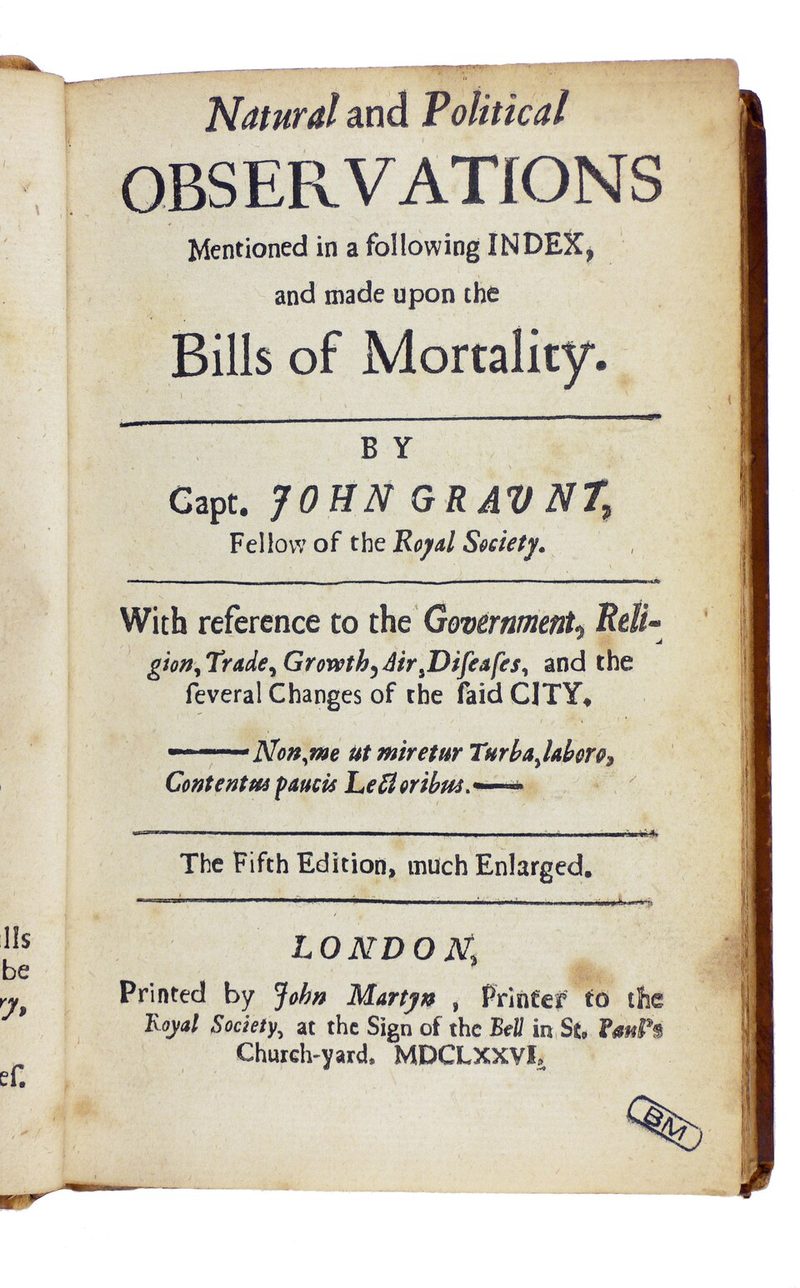
Graunt's Observations on the Bills of Mortality (1662)
Both turned death records into knowledge, Milan by having doctors diagnose every death and Graunt by tabulating London's weekly counts. Graunt's story shows the first estimates of child mortality and an early life table.
Read this moment
Read next · same disease or problem
Graunt's Observations on the Bills of Mortality (1662)
Both turned death records into knowledge, Milan by having doctors diagnose every death and Graunt by tabulating London's weekly counts. Graunt's story shows the first estimates of child mortality and an early life table.
Read this moment
 Today on The Clinical Times
Love to Dream recalls portable baby sound machine over fire and burn risk
Love to Dream has recalled its portable Sleep Machine because its lithium-ion battery can overheat while charging with an incompatible charger, creating a risk of fire and burns.
Read today’s top stories
Today on The Clinical Times
Love to Dream recalls portable baby sound machine over fire and burn risk
Love to Dream has recalled its portable Sleep Machine because its lithium-ion battery can overheat while charging with an incompatible charger, creating a risk of fire and burns.
Read today’s top stories
All 526 moments in the history of medicine. This one is in chapter 2, The medieval world
Connected moments
How this moment links to others in the history of medicine, and what you will find in each.
-
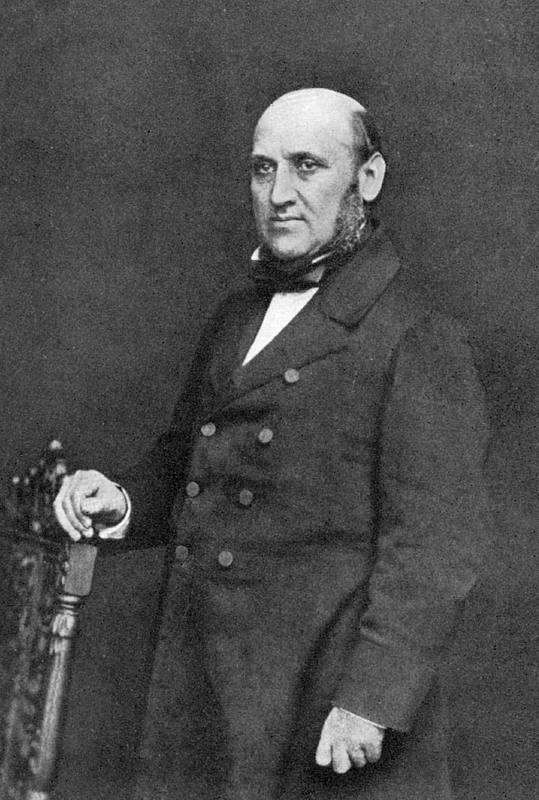 Same disease or problem1839William Farr and national vital statisticsMilan's physicians assigned a cause to almost every death, and Farr classified causes of death for a whole nation. His story shows how that classification became the starting point for an international list.Read this moment
-
 Same disease or problem1948ICD-6 and the classification of illnessMilan's registers sorted deaths by cause, and ICD 6 set one international classification of causes of death and illness. Its story shows countries agreeing to count the underlying cause of death the same way.Read this moment