Patients & Rights
1984
The National Organ Transplant Act
The 1984 law made it a federal crime to buy or sell human organs for transplantation and created the Organ Procurement and Transplantation Network, a single national waiting list and matching system run by a private nonprofit under federal contract.

Key people
- Albert Gore Jr.
- Congressman who chaired the 1983 hearings and wrote the act
Source
In 1983 a Virginia physician proposed a commercial brokerage in which patients could buy kidneys from living donors. The idea was unpopular, and in the autumn of 1983 Representatives Albert Gore Jr. of Tennessee and Henry Waxman of California held hearings on transplantation. Gore had introduced a National Organ Transplant Act bill on 5 October. The proposed legislation had three aims: more organs through support for procurement agencies, help paying for costly immunosuppressive drugs such as cyclosporine, and a ban on buying and selling organs.
The National Organ Transplant Act became law on 19 October 1984. Title III made it unlawful to knowingly acquire, receive or transfer a human organ for valuable consideration for use in transplantation, with fines up to $50,000, prison up to five years, or both. The law listed kidney, liver, heart, lung, pancreas, bone marrow, cornea, eye, bone and skin, and excluded reasonable costs of removal, transport and storage and a donor's travel, housing and lost wages.
The act also set up a 25-member Task Force on Organ Transplantation to study the medical, legal, ethical, economic and social questions, including the cost of immunosuppressive drugs. It authorized grants to organ procurement organizations and a contract for an Organ Procurement and Transplantation Network, a private nonprofit body required to keep a national list of people needing organs, run a computer system to match organs to them by medical criteria, staff a 24-hour telephone service and publish data. A separate scientific registry was to track transplant recipients. Funding for immunosuppressive drugs was dropped from the final bill.
The contract for the network went to the United Network for Organ Sharing in 1986. A national point system for allocating kidneys began on 1 November 1987. A second law in 1986 set federal standards for procurement organizations, required hospitals to follow procedures for approaching potential donors' families and brought immunosuppressive drugs under Medicare coverage. The Transplant Amendments of 1990 added a national bone marrow registry.
Keep exploring
 Read next · built on
Ciclosporin in solid-organ transplantation (Calne) (1978)
The bill aimed to help patients pay for costly immunosuppressive drugs such as cyclosporine. The ciclosporin entry shows how that drug lifted liver transplant survival from 25 to 75 percent.
Read this moment
Read next · built on
Ciclosporin in solid-organ transplantation (Calne) (1978)
The bill aimed to help patients pay for costly immunosuppressive drugs such as cyclosporine. The ciclosporin entry shows how that drug lifted liver transplant survival from 25 to 75 percent.
Read this moment
 Today on The Clinical Times
Love to Dream recalls portable baby sound machine over fire and burn risk
Love to Dream has recalled its portable Sleep Machine because its lithium-ion battery can overheat while charging with an incompatible charger, creating a risk of fire and burns.
Read today’s top stories
Today on The Clinical Times
Love to Dream recalls portable baby sound machine over fire and burn risk
Love to Dream has recalled its portable Sleep Machine because its lithium-ion battery can overheat while charging with an incompatible charger, creating a risk of fire and burns.
Read today’s top stories
All 526 moments in the history of medicine. This one is in chapter 6, Trials, scanners and rights
Connected moments
How this moment links to others in the history of medicine, and what you will find in each.
- Built on1968The Uniform Anatomical Gift ActThe 1968 model law set how people give organs but said nothing about selling them, the gap NOTA closed. The gift act entry shows how every state adopted signed donation within three years.Read this moment
-
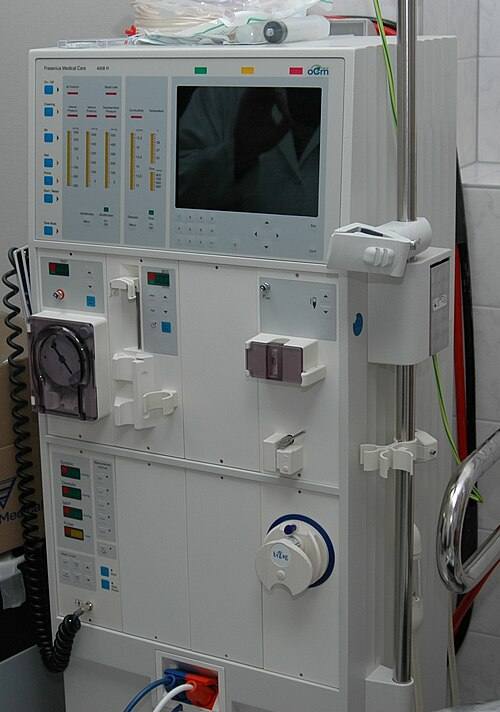 Same disease or problem1960Scribner shunt and long-term hemodialysisBoth faced who should get a scarce life-saving treatment, Seattle with a lay committee and NOTA with a national matching system. The Scribner entry shows the God Committee choosing dialysis patients.Read this moment
-
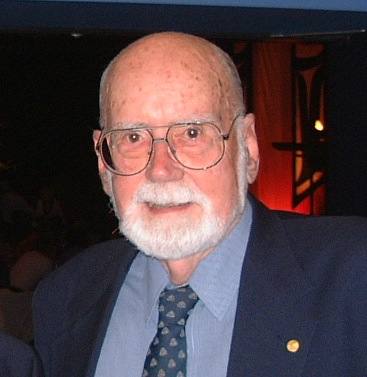 Same disease or problem1975Allogeneic bone marrow (hematopoietic stem cell) transplantation as curative therapy (Thomas)The 1990 amendments to the act added a national bone marrow registry, like the volunteer donor registries marrow transplants spawned in the 1980s. The Seattle entry shows marrow transplantation curing some leukemias.Read this moment