Genetics & Molecular
1958
HLA antigens and tissue typing
In 1958 Jean Dausset described the first human leukocyte antigen, and Rose Payne and Jon van Rood found similar antibodies in women who had borne children. The HLA system they opened became the basis for matching donors and recipients in transplantation.
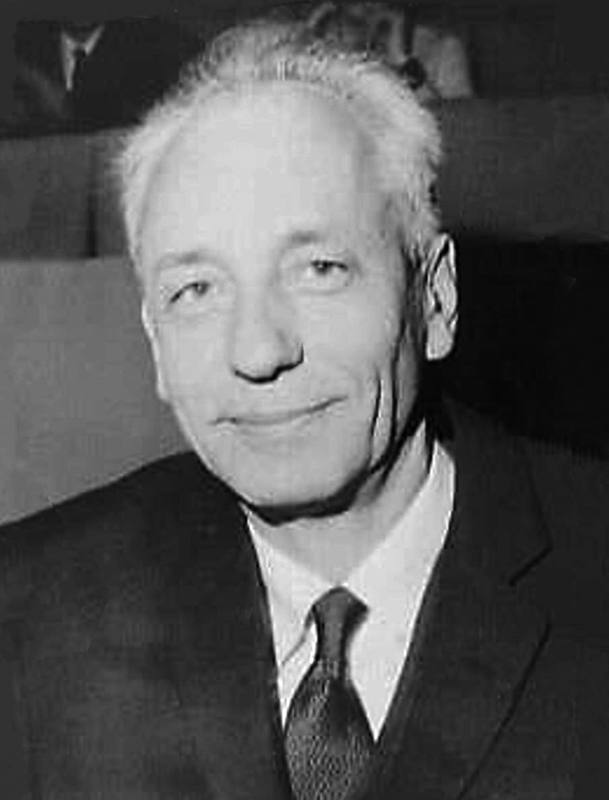
Key people
- Jean Dausset
- Paris hematologist who described the MAC antigen; shared the 1980 Nobel Prize
- Jon J. van Rood
- Found leukocyte antibodies in women who had borne children, 1958
- Rose Payne
- Serologist who also described these antibodies in 1958
- Paul Terasaki
- Developed the microcytotoxicity assay used for HLA typing
Source
Dausset J. Iso-leuco-anticorps. Acta Haematol. 1958;20(1-4):156-166. (opens in a new tab)
Jean Dausset had worked at the regional blood transfusion center in Paris from 1944. After a postdoctoral year in Boston he tried to apply the new red cell methods, such as the antiglobulin test, to white blood cells in patients with leukopenia, and got no reaction. By chance he tested serum from a patient who had received many transfusions, a sample that had sat in the refrigerator, and it clearly agglutinated white cells from another person. He made this observation of leuko-agglutination in 1952.
In 1958, as head of the immunohematology laboratory at the National Blood Transfusion Centre, Dausset tested such sera against the white cells of a panel of people and described the first leukocyte antigen, which he called MAC and which is now HLA-A2. His paper, in French in Acta Haematologica, raised the role of these antigens in transplanting organs and tissues. The same year Rose Payne and, separately, Jon van Rood described women who had borne several children, never transfused, whose serum agglutinated white cells from the father, the children and some unrelated donors. Van Rood used a computer to sort the reactions into clusters. The geneticist Walter Bodmer, who worked with Payne, later wrote that MAC was only loosely related to HLA-A2 and that van Rood, more than Dausset, set the scene for the discovery of the system.
Bernard Amos started international histocompatibility workshops in 1964, and van Rood organized the second in 1965. That year Dausset, testing fifty sera against fifty people, showed a single system comparable to the mouse H-2 system, which he called Hu-1 and which was renamed HLA. Skin grafts among volunteers, carried out by Felix Rapaport of New York, tied graft survival to tissue incompatibility. Paul Terasaki's microcytotoxicity assay became the standard test for HLA types, and his data gave the most striking early link between HLA matching and graft survival.
The genes sit in a small region of chromosome 6. HLA typing came into use to match donors and recipients for kidney transplants and in disputed paternity cases, and certain types were tied to disease risk, such as HLA-B27 with ankylosing spondylitis. Dausset shared the 1980 Nobel Prize in Physiology or Medicine with George Snell and Baruj Benacerraf for discoveries about genetically determined cell surface structures that regulate immune reactions.
Keep exploring
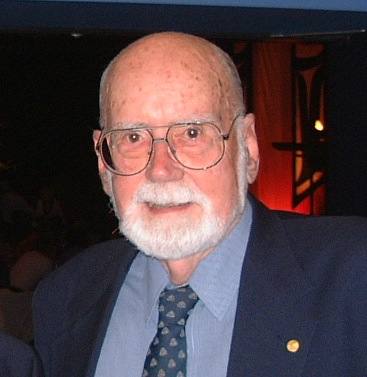 Read next · led to
Allogeneic bone marrow (hematopoietic stem cell) transplantation as curative therapy (Thomas) (1975)
Tissue typing found the HLA-matched sibling donors that let marrow transplants cure some leukemias. Thomas's Seattle entry shows how that revived a procedure most researchers had abandoned in the 1960s.
Read this moment
Read next · led to
Allogeneic bone marrow (hematopoietic stem cell) transplantation as curative therapy (Thomas) (1975)
Tissue typing found the HLA-matched sibling donors that let marrow transplants cure some leukemias. Thomas's Seattle entry shows how that revived a procedure most researchers had abandoned in the 1960s.
Read this moment
 Today on The Clinical Times
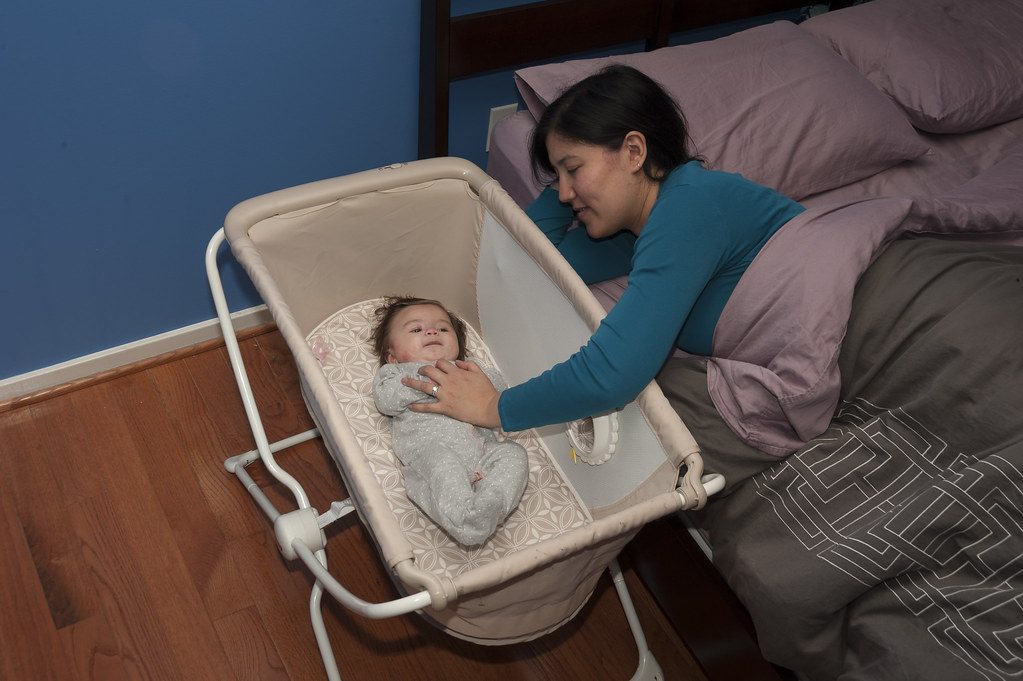
Love to Dream recalls portable baby sound machine over fire and burn risk
Love to Dream has recalled its portable Sleep Machine because its lithium-ion battery can overheat while charging with an incompatible charger, creating a risk of fire and burns.
Read today’s top stories
Today on The Clinical Times
Love to Dream recalls portable baby sound machine over fire and burn risk
Love to Dream has recalled its portable Sleep Machine because its lithium-ion battery can overheat while charging with an incompatible charger, creating a risk of fire and burns.
Read today’s top stories
All 526 moments in the history of medicine. This one is in chapter 5, Cures and codes
Connected moments
How this moment links to others in the history of medicine, and what you will find in each.
-
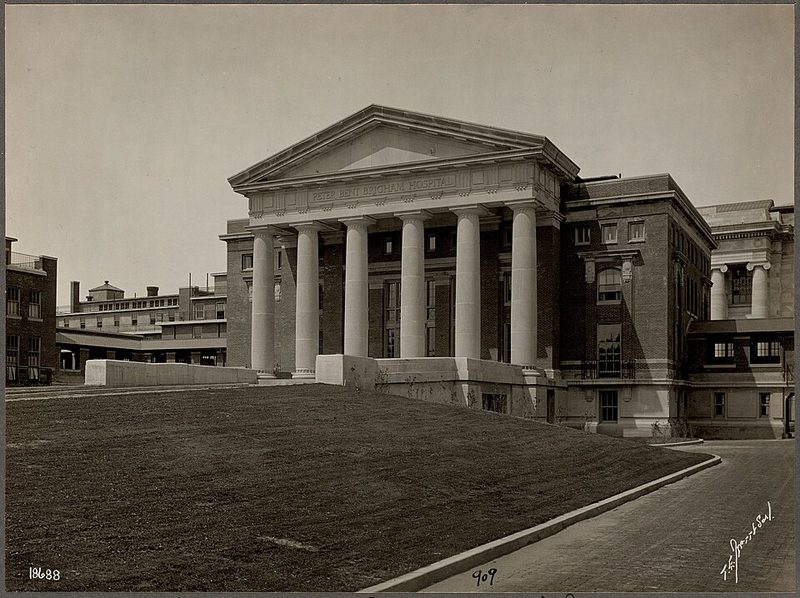 Same disease or problem1954First Successful Kidney TransplantIdentical twins sidestepped rejection in 1954, and HLA typing later matched kidney donors and recipients. The Herrick twins' transplant shows the first human organ graft with lasting function, which opened the clinical field.Read this moment
-
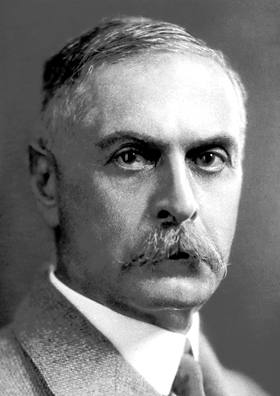 Same disease or problem1901Discovery of the ABO Blood GroupsBlood groups made transfusion predictable by matching donor to recipient, and HLA types did the same for transplants. Landsteiner's entry shows how mixing his colleagues' sera and red cells revealed the first groups.Read this moment
-
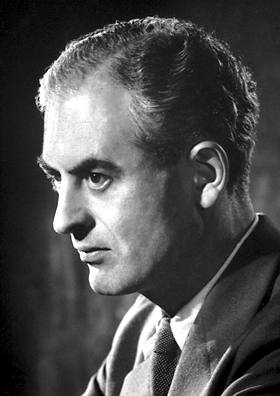 Same disease or problem1953Acquired immunological toleranceBoth tackled why the body rejects tissue taken from another person. Medawar's mice show that exposure before birth can teach the immune system to accept foreign grafts, as Burnet had predicted.Read this moment