Neurology & Psychiatry
1960
Librium, Valium and the benzodiazepines
Chlordiazepoxide (Librium) in 1960 and diazepam (Valium) in 1963 offered an alternative to barbiturates and meprobamate for anxiety, with drugs far less likely to kill in overdose. Valium became the top-selling drug in the United States, and dependence and withdrawal proved the class's main problem.
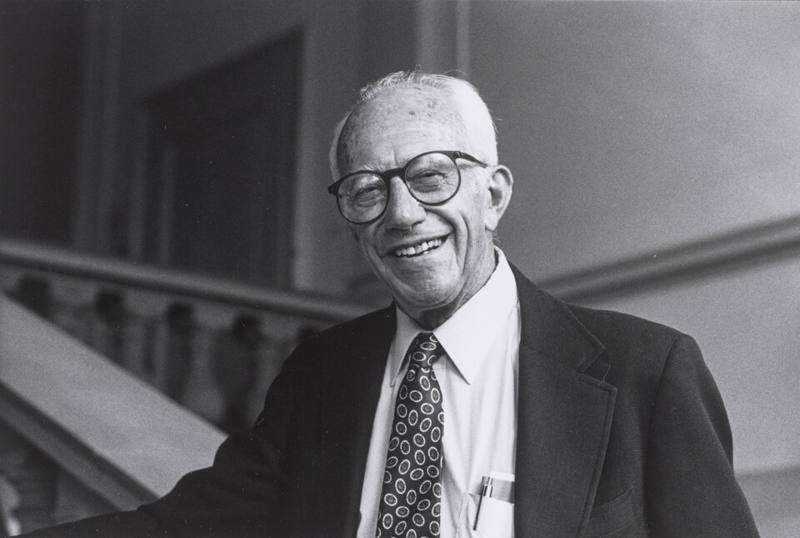
Key people
- Leo Sternbach
- Hoffmann-La Roche chemist who made chlordiazepoxide and diazepam
Source
Through the 1950s anxiety was treated with meprobamate and with barbiturates such as phenobarbital. The margin between a useful dose and a dangerous one was narrow, and overdoses brought heavy sedation, coma, respiratory failure and sometimes death.
Leo Sternbach, a chemist at Hoffmann-La Roche in Nutley, New Jersey, had made a family of compounds in the early 1930s as a postgraduate in Cracow, looking for synthetic dyes. In 1954, drawn by the success of chlorpromazine and early reports on meprobamate, he went back to them in search of drugs for the mind and made about 40. Every one tested proved inert. He treated one with methylamine instead, labeled it Ro 5-0690 and put it on the shelf untested. In 1957 it turned up during a laboratory cleanup and was sent for testing, which showed effects like those of meprobamate. Its structure proved to be a 1,4-benzodiazepine. It entered clinical use in 1960 as chlordiazepoxide, sold as Librium.
Diazepam, first synthesized in 1959, reached the market as Valium in 1963. It was more potent and also treated epilepsy, muscle spasm and alcohol withdrawal. From 1968 to 1982 it was the top-selling drug in the United States, with a peak of 2.3 billion tablets sold in 1978. The benzodiazepines bind their own site on the GABA-A receptor and strengthen the receptor's response to the transmitter GABA.
Serious or fatal reactions to diazepam alone proved rare; most followed combination with other drugs such as opioids or alcohol. Long use, though, brought tolerance, dependence and withdrawal, and stopping high doses abruptly could cause seizures, psychosis and death. Calcaterra and Barrow trace the misuse of the 1970s to early, overly optimistic views of diazepam's safety that led to prescribing where no drug was needed. Diazepam is a Schedule IV controlled substance in the United States.
In September 2020 the FDA required an updated boxed warning for every benzodiazepine, covering abuse, addiction, physical dependence and withdrawal reactions. The agency noted that dependence can develop after several days to weeks of steady use, even as prescribed. In 2019 about 92 million benzodiazepine prescriptions were dispensed from US outpatient pharmacies, alprazolam most often.
Keep exploring
 Read next · built on
Chlorpromazine in psychosis (Delay & Deniker) (1952)
Chlorpromazine's success sent Leo Sternbach back to the compounds that became Librium. The chlorpromazine entry shows the first antipsychotic drug, which eased agitation and delusions in 1952 without heavy sedation.
Read this moment
Read next · built on
Chlorpromazine in psychosis (Delay & Deniker) (1952)
Chlorpromazine's success sent Leo Sternbach back to the compounds that became Librium. The chlorpromazine entry shows the first antipsychotic drug, which eased agitation and delusions in 1952 without heavy sedation.
Read this moment
 Today on The Clinical Times
Love to Dream recalls portable baby sound machine over fire and burn risk
Love to Dream has recalled its portable Sleep Machine because its lithium-ion battery can overheat while charging with an incompatible charger, creating a risk of fire and burns.
Read today’s top stories
Today on The Clinical Times
Love to Dream recalls portable baby sound machine over fire and burn risk
Love to Dream has recalled its portable Sleep Machine because its lithium-ion battery can overheat while charging with an incompatible charger, creating a risk of fire and burns.
Read today’s top stories
All 526 moments in the history of medicine. This one is in chapter 6, Trials, scanners and rights
Connected moments
How this moment links to others in the history of medicine, and what you will find in each.
- Same disease or problem2016CDC guideline for prescribing opioids for chronic painBenzodiazepines rarely kill alone but turn dangerous with opioids, a combination the 2016 guideline warned against. The guideline shows how CDC tried to curb opioid prescribing and how rigid use of it harmed patients.Read this moment
-
 Same disease or problem1995Collaborative Eclampsia Trial: Magnesium Sulfate for EclampsiaThe Collaborative Eclampsia Trial tested diazepam against magnesium sulfate for stopping eclamptic seizures. It shows magnesium sulfate cutting recurrent convulsions by half compared with diazepam and becoming the world standard.Read this moment