Foundational Discovery
1975
Köhler and Milstein hybridoma technique
Georges Köhler and César Milstein fused antibody-making spleen cells from immunized mice with cultured myeloma cells, creating hybrid cell lines that make unlimited amounts of a single antibody of chosen specificity. They shared the 1984 Nobel Prize for the method.

Key people
- Georges J. F. Köhler
- Co-inventor of the hybridoma technique; shared the 1984 Nobel Prize
- César Milstein
- Co-author of the 1975 Nature letter; 1984 Nobel laureate
Source
Every antibody-producing white blood cell, and all of its daughter cells, makes one identical antibody, a monoclonal antibody. Immunologists had long hoped to grow such clones to order, each making an antibody against a target they had chosen. In rare cases the body loses control of an antibody-producing clone, and a tumour called a myeloma can form. Myeloma cells keep making their antibody, but no one normally knows what it recognizes.
Georges Köhler and César Milstein joined the two kinds of cell. Their letter to Nature, received on 14 May 1975 and published on 1 August, described fusing spleen cells from mice immunized with a selected antigen with myeloma cells kept in laboratory culture. The hybrid, called a hybridoma, survived and went on dividing. The myeloma partner supplied the capacity to survive in culture, and the spleen partner directed the making of an antibody of preselected specificity. Culture conditions let the hybrids multiply while unfused myeloma cells did not. Diluted cultures grew colonies from single hybrid cells, the colonies making the wanted antibody were picked out, and each could then supply that antibody without limit.
By 1984 the Nobel Assembly at the Karolinska Institute could list many uses. Monoclonal antibodies mapped the parts of antigen molecules, such as the changing surface components of influenza virus that explain repeated infections. They purified substances such as interferon by affinity chromatography. In diagnosis they identified structures on or inside cells, telling one form of tumour from another, following a tumour's course and separating kinds of normal white blood cells, which helped characterize immune deficiency conditions. The Assembly wrote that the antibodies allowed precise diagnosis and also treatment of disease.
It called the hybridoma technique one of the most important methodological advances in biomedicine during the 1970s. In 1984 Köhler and Milstein shared the Nobel Prize in Physiology or Medicine with Niels K. Jerne.
Keep exploring
 Read next · same disease or problem
Behring and Kitasato's antitoxins (1890)
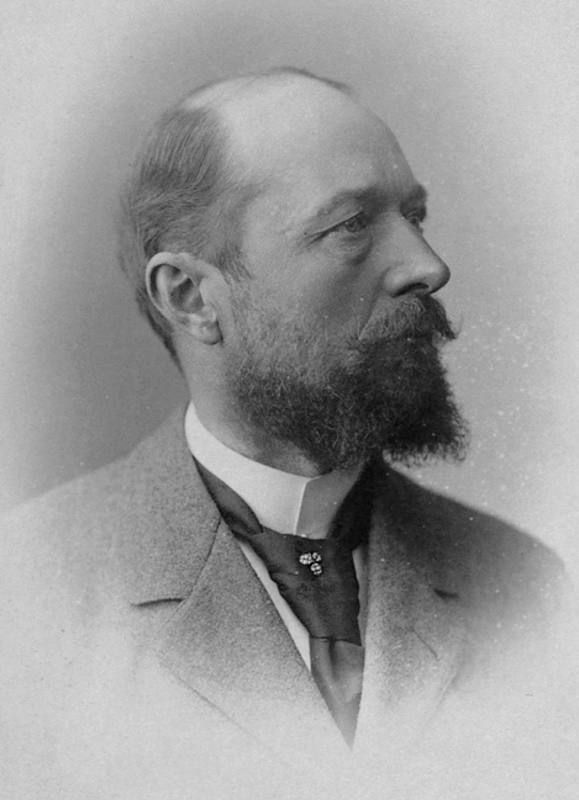
Behring's antitoxin serum used a mix of animal antibodies, while hybridomas produced one chosen antibody without limit. The antitoxin entry shows serum from immunized animals curing diphtheria.
Read this moment
Read next · same disease or problem
Behring and Kitasato's antitoxins (1890)
Behring's antitoxin serum used a mix of animal antibodies, while hybridomas produced one chosen antibody without limit. The antitoxin entry shows serum from immunized animals curing diphtheria.
Read this moment
 Today on The Clinical Times
Love to Dream recalls portable baby sound machine over fire and burn risk
Love to Dream has recalled its portable Sleep Machine because its lithium-ion battery can overheat while charging with an incompatible charger, creating a risk of fire and burns.
Read today’s top stories
Today on The Clinical Times
Love to Dream recalls portable baby sound machine over fire and burn risk
Love to Dream has recalled its portable Sleep Machine because its lithium-ion battery can overheat while charging with an incompatible charger, creating a risk of fire and burns.
Read today’s top stories
All 526 moments in the history of medicine. This one is in chapter 6, Trials, scanners and rights
Connected moments
How this moment links to others in the history of medicine, and what you will find in each.
-
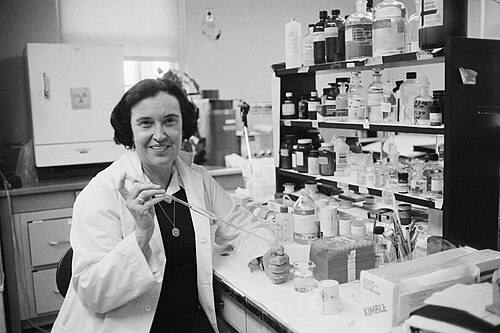 Same disease or problem1960Radioimmunoassay (RIA)Both used antibodies as precise tools, RIA to measure hormones and hybridomas to supply antibodies of chosen specificity. The RIA entry shows Yalow and Berson measuring insulin in minute amounts.Read this moment
-
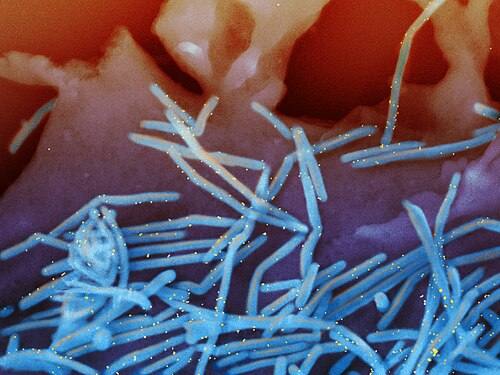 Led to2024Nirsevimab cuts infant RSV hospitalizationThe hybridoma made single chosen antibodies available in unlimited amounts, and monoclonal antibodies later became medicines. The nirsevimab entry shows a long-acting antibody preventing about 90 percent of infant RSV hospitalizations.Read this moment