Epidemiology
1997
Hepatitis B vaccine and liver cancer in Taiwan
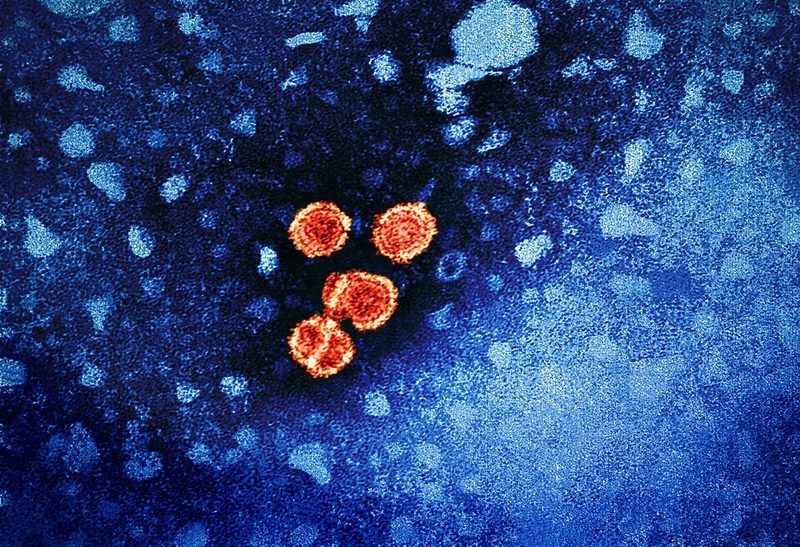
After Taiwan began vaccinating infants against hepatitis B in 1984, the yearly incidence of liver cancer in children aged 6 to 14 fell from 0.70 to 0.36 per 100,000. The vaccine is now counted among the first vaccines against a cancer.
Key people
- M. H. Chang
- Lead author of the 1997 Taiwan childhood liver cancer study
Source
Before vaccination began, 15 to 20 percent of people in Taiwan carried hepatitis B surface antigen. In July 1984 Taiwan became the first country to start a hepatitis B vaccination program. It first offered the vaccine to infants of mothers who carried the antigen and extended it to all infants in 1986. The vaccines were new: the first, Merck's plasma-derived Heptavax-B, had been approved by the US Food and Drug Administration in 1981, and a recombinant vaccine made in yeast followed in 1986.
M. H. Chang and colleagues in the Taiwan Childhood Hepatoma Study Group set out to measure the effect on childhood liver cancer. They gathered cases from 1981 to 1994 from the National Cancer Registry, which received reports from all 142 of the country's hospitals with more than 50 beds, and from 17 major medical centers. To exclude hepatoblastoma, the main analysis counted only children aged six or older.
The average yearly incidence of hepatocellular carcinoma in children aged 6 to 14 fell from 0.70 per 100,000 in 1981 to 1986, to 0.57 in 1986 to 1990 and 0.36 in 1990 to 1994. Deaths from the cancer fell as well. Comparing birth cohorts, incidence among children aged 6 to 9 was 0.52 per 100,000 for those born between 1974 and 1984 and 0.13 for those born between 1984 and 1986. The report appeared in the New England Journal of Medicine on 26 June 1997.
The authors concluded that childhood liver cancer had declined since universal vaccination began. A 2024 review by Mironova and Ghany calls the hepatitis B vaccine one of the first anticancer vaccines and notes that it is in the national immunization schedules of 190 countries. Antibody levels fall with time: among people in Taiwan born after the program started, 48.4 percent still had detectable antibody to the surface antigen after 20 years and 44 percent after 30.
Keep exploring
 Read next · built on
Discovery of the hepatitis B virus (Australia antigen) (1965)
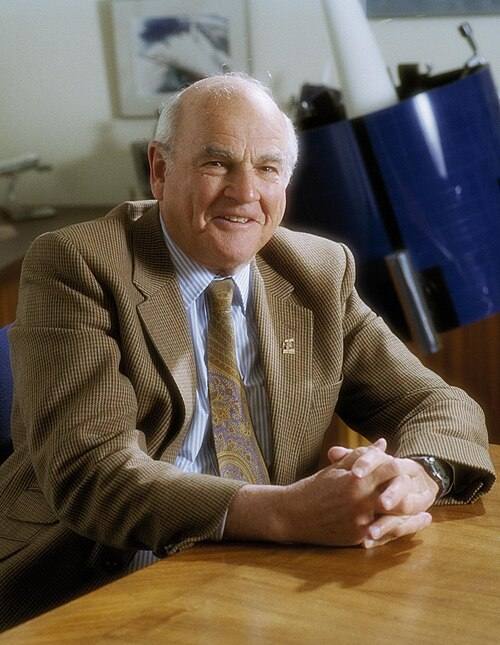
Taiwan's vaccine came from the surface antigen Blumberg found, first purified from carriers' blood. Blumberg's entry shows how a genetics experiment identified the hepatitis B virus.
Read this moment
Read next · built on
Discovery of the hepatitis B virus (Australia antigen) (1965)
Taiwan's vaccine came from the surface antigen Blumberg found, first purified from carriers' blood. Blumberg's entry shows how a genetics experiment identified the hepatitis B virus.
Read this moment
 Today on The Clinical Times
Love to Dream recalls portable baby sound machine over fire and burn risk
Love to Dream has recalled its portable Sleep Machine because its lithium-ion battery can overheat while charging with an incompatible charger, creating a risk of fire and burns.
Read today’s top stories
Today on The Clinical Times
Love to Dream recalls portable baby sound machine over fire and burn risk
Love to Dream has recalled its portable Sleep Machine because its lithium-ion battery can overheat while charging with an incompatible charger, creating a risk of fire and burns.
Read today’s top stories
All 526 moments in the history of medicine. This one is in chapter 6, Trials, scanners and rights
Connected moments
How this moment links to others in the history of medicine, and what you will find in each.
-
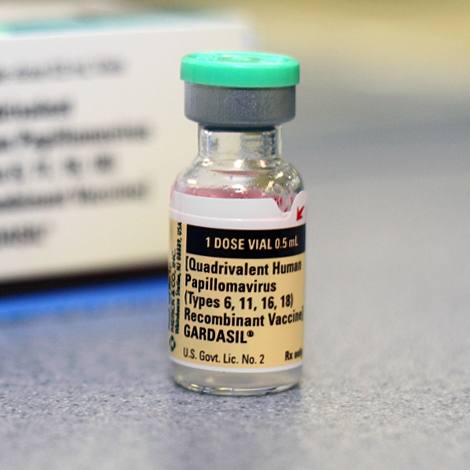 Same disease or problem2020Population evidence that HPV vaccination prevents invasive cervical cancerBoth proved that vaccinating children against a virus prevents a cancer years later. The Swedish entry shows HPV vaccination before 17 cutting invasive cervical cancer by 88 percent.Read this moment
-
 Same disease or problem1974WHO Expanded Programme on Immunization (EPI) launchedHepatitis B vaccine was among the newer vaccines national programs later added to EPI's childhood schedule. The EPI entry shows child vaccination credited with 154 million lives saved.Read this moment