Surgery
Vanderbilt surgeons adapt heart-recovery technique for pediatric transplants
The Vanderbilt team reported transplanting five children with donor hearts recovered using REUP, with no hearts discarded.
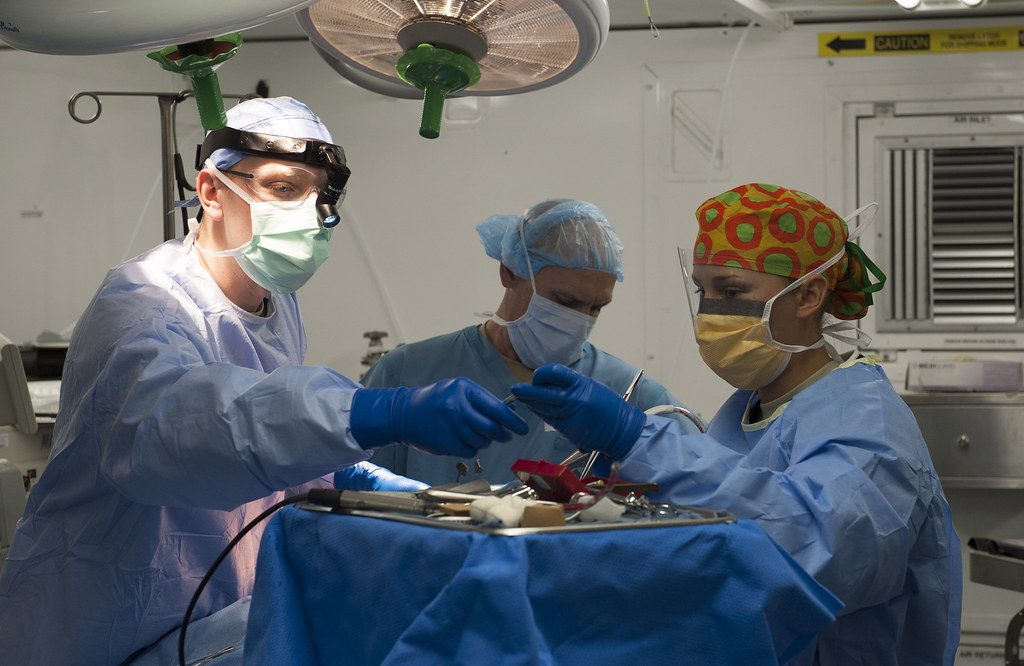
Vanderbilt pediatric heart transplant surgeons adapted a donor-heart recovery technique for children, Medical Xpress reported. In a New England Journal of Medicine article, the team described recovering and transplanting five donor hearts in children ranging in age from 2 days to 14 years. The technique, called REUP, preserves hearts donated after circulatory death by flushing them with a cold, oxygen-rich solution rather than reanimating them.
The recipients waited an average of 20 days for transplantation. The authors reported that no donor hearts were discarded and that all recipients had strong heart function after surgery. None needed mechanical circulatory support after transplantation, experienced primary graft dysfunction or showed evidence of rejection during the study period. Medical Xpress reported that five more children have since been saved using the approach. The Vanderbilt team said it plans to help other programs adopt the technique.