Vaccines
Models project more chronic hepatitis B infections under delayed newborn vaccination
The model projected more chronic infections under delayed or shared-decision vaccination, with reports giving different estimates for shared decision-making.
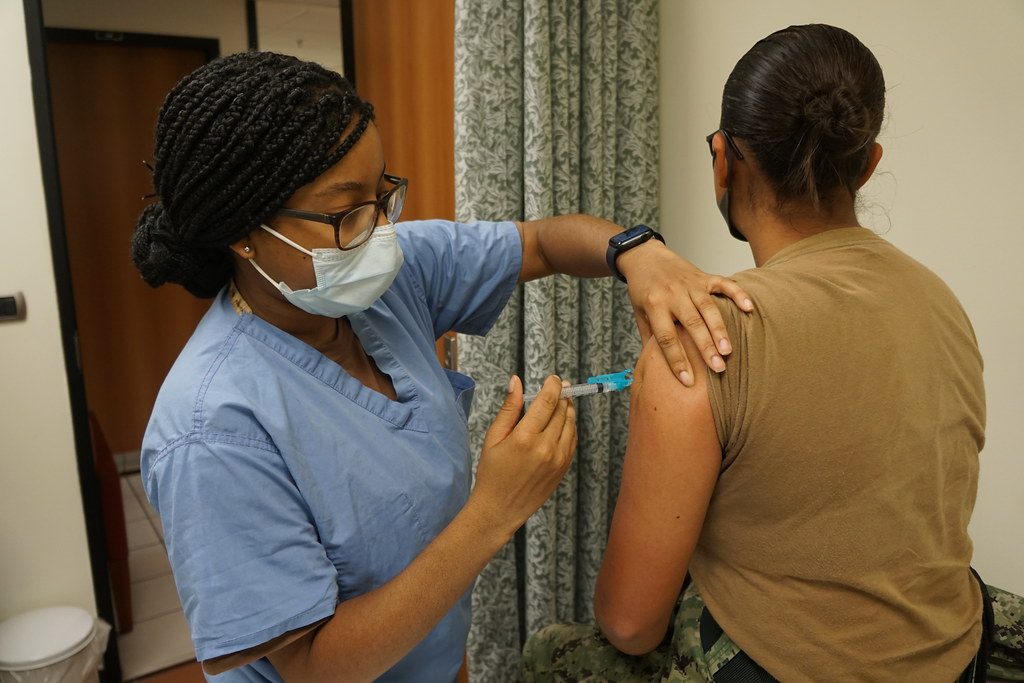
A modeling study published in Annals of Internal Medicine projected that delaying the hepatitis B vaccine birth dose or replacing universal vaccination with shared decision-making could increase chronic infections among U.S. children. Researchers modeled a single-year birth cohort of 3.6 million children through age 20.
Medical Xpress reported projected increases of 19% for vaccination at 2 months and 83% under shared decision-making, compared with universal vaccination at birth. The New York Times also reported an increase of as much as 83%. Time reported a 19% rise if 75% of infants received the vaccine at 2 months, and a 225% rise if 26% received it. The reports therefore give different estimates for shared decision-making. The study authors said universal vaccination at birth remained the most effective strategy for preventing childhood infections.