Research
Psilocybin linked to lower inflammation markers in small Parkinson’s study
A small, uncontrolled Parkinson’s study found lower inflammation markers after psilocybin, but the findings need confirmation in a randomized trial.
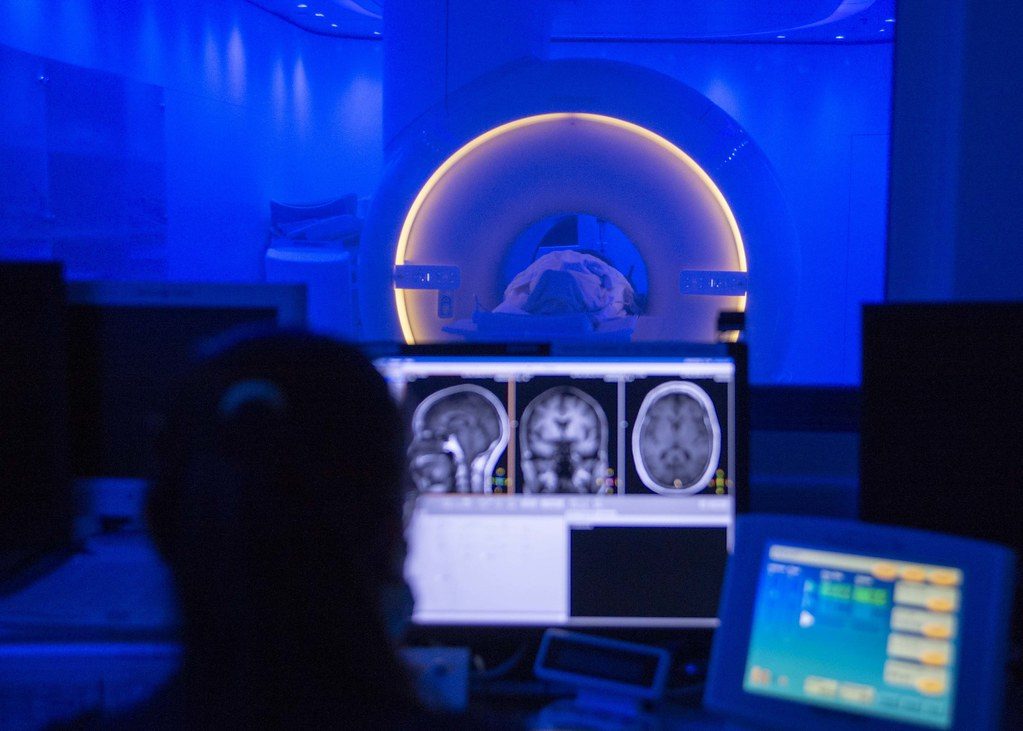
University of California, San Francisco researchers reported lower inflammation markers after psilocybin treatment in a small, open-label study of 12 people with mild-to-moderate Parkinson’s disease. Participants received 10-mg and 25-mg doses about 2 weeks apart. Blood samples were available from nine participants.
Compared with baseline, the study’s inflammatory index was lower at each follow-up: the standard mean difference was -0.72 (adjusted P=0.003) 1 day after 10 mg, -0.60 (adjusted P=0.02) 1 day after 25 mg, and -0.62 (adjusted P=.047) 30 days after 25 mg. The researchers also found lower GDF-15, a marker of mitochondrial stress, shortly after dosing, but not at the 30-day follow-up. The study had no control group, and participants knew they received psilocybin. UCSF researchers said they are following up with a randomized controlled trial.