Surgery & Anesthesia
1942
Griffith and curare in anesthesia
On 23 January 1942 Harold Griffith and Enid Johnson in Montreal gave the curare extract Intocostrin to a patient under anesthesia to relax his muscles. Their report on 25 patients led other anesthetists to adopt muscle relaxants in surgery.
Key people
- Harold R. Griffith
- Montreal anesthetist who introduced curare for surgical relaxation
- G. Enid Johnson
- Resident who gave the first dose with Griffith and co-wrote the report
- Lewis H. Wright
- Squibb anesthesia representative who urged trials of Intocostrin
Source
Surgeons who needed slack muscles depended on deep anesthesia, which meant heavy doses of ether or cyclopropane for mediocre operating conditions. Curare, a South American plant poison, blocks muscle activity. The explorer Richard Gill, diagnosed with multiple sclerosis in 1934, went into the Ecuadorian jungle to find it and sold a batch to E. R. Squibb and Sons. From 1939 A. E. Bennett, a Nebraska neuropsychiatrist, used curare to soften the convulsions of Metrazol shock therapy, which often fractured vertebrae, and Squibb sold a standardized extract as Intocostrin.
Lewis Wright, Squibb's anesthesia representative, saw a use in surgery, but most anesthetists he approached thought that adding a drug known to paralyze breathing would be close to murder. Emery Rovenstine and E. M. Papper tried it in two patients and were alarmed by respiratory paralysis, and Stuart Cullen's test dogs collapsed. Harold Griffith, anesthetist at the Homeopathic Hospital of Montreal, was less afraid. Since 1925, when a patient died of laryngospasm during an operation, he had made sure he could always perform endotracheal intubation, then a little-known skill, and so could take over a patient's breathing.
On 23 January 1942 Griffith and his third-year resident, Enid Johnson, gave 5 mL of Intocostrin to a 20-year-old plumber during an appendectomy. The surgeon, George Novinger, remarked on the relaxation, and the patient recovered fully. Griffith had done no animal experiments first. In July 1942 he and Johnson reported in Anesthesiology on 25 patients, none of whom had serious respiratory depression or needed artificial respiration. By April 1943 he had seen breathing slowed or stopped in a few cases, which he managed by controlling respiration, and he advised using the drug only when extra relaxation was needed. The physiology department at Oxford criticized him.
American anesthetists soon published series of their own, and on 1 March 1946 T. Cecil Gray of Liverpool described 1,000 cases to the Royal Society of Medicine. Synthetic relaxants later replaced tubocurarine, the active ingredient of curare. Johnson went on to an academic career at Dalhousie University, and in 1951 Griffith became professor and chair of McGill's department of anesthesia.
Keep exploring
 Read next · same disease or problem
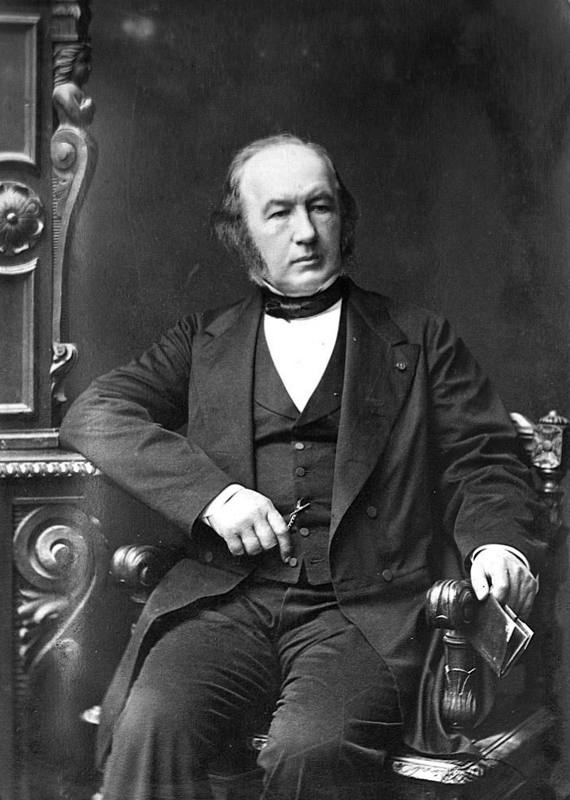
Bernard's Introduction to Experimental Medicine (1865)
Claude Bernard had studied the action of curare on the nerves, and Griffith gave it to relax patients' muscles in surgery. Bernard's story shows the rules for experiment he set out in 1865.
Read this moment
Read next · same disease or problem
Bernard's Introduction to Experimental Medicine (1865)
Claude Bernard had studied the action of curare on the nerves, and Griffith gave it to relax patients' muscles in surgery. Bernard's story shows the rules for experiment he set out in 1865.
Read this moment
 Today on The Clinical Times
Love to Dream recalls portable baby sound machine over fire and burn risk
Love to Dream has recalled its portable Sleep Machine because its lithium-ion battery can overheat while charging with an incompatible charger, creating a risk of fire and burns.
Read today’s top stories
Today on The Clinical Times
Love to Dream recalls portable baby sound machine over fire and burn risk
Love to Dream has recalled its portable Sleep Machine because its lithium-ion battery can overheat while charging with an incompatible charger, creating a risk of fire and burns.
Read today’s top stories
All 526 moments in the history of medicine. This one is in chapter 5, Cures and codes
Connected moments
How this moment links to others in the history of medicine, and what you will find in each.
-
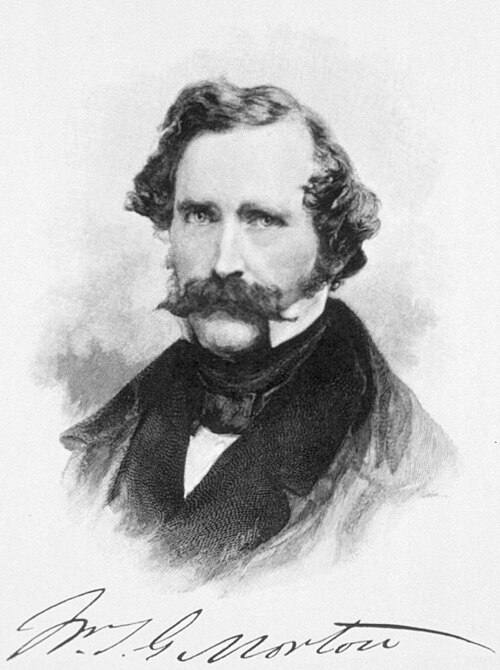 Same disease or problem1846The Ether Demonstration ("Ether Day")Ether made surgery painless but needed deep doses to relax muscles, which curare let anesthetists avoid. The Ether Day story shows the Boston demonstration of 1846.Read this moment
-
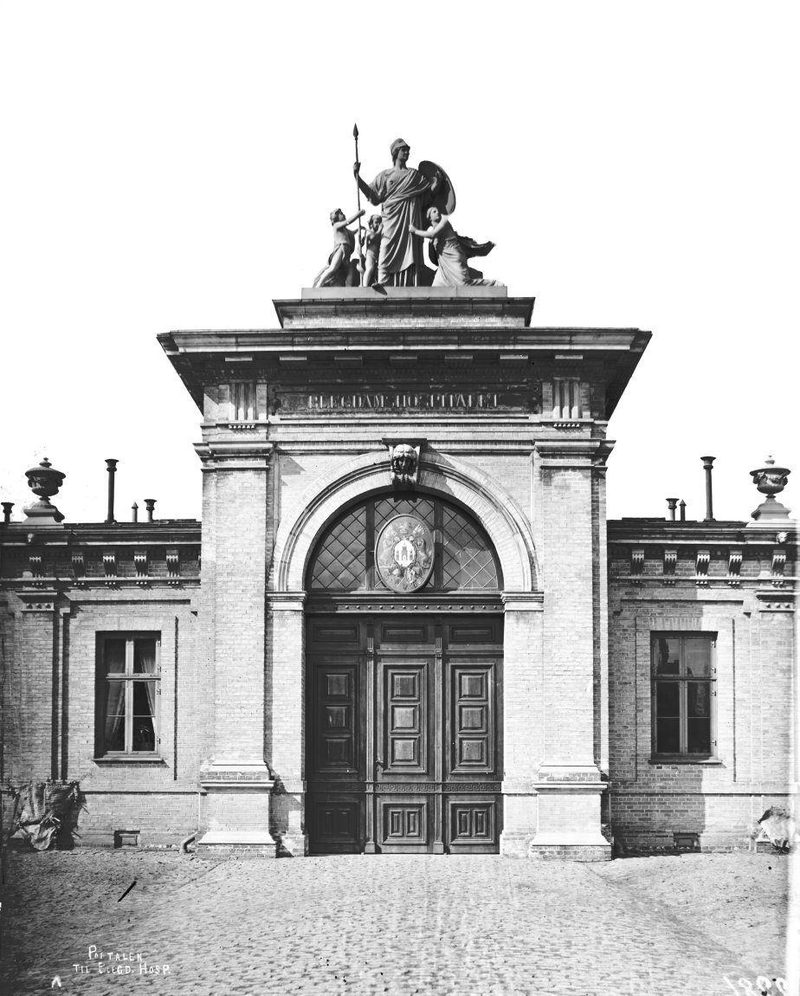 Same disease or problem1952Copenhagen Polio Epidemic and Intensive CareGriffith could use curare safely because he could take over a patient's breathing through a tube, and Copenhagen saved polio patients the same way. That story shows the first intensive care unit.Read this moment