Oncology
1941
Huggins and hormonal treatment of prostate cancer
In 1941 Charles Huggins and Clarence Hodges in Chicago showed that removing the testes or giving estrogen suppressed metastatic prostate cancer and that testosterone made it more active. Huggins shared the 1966 Nobel Prize for this hormonal treatment.
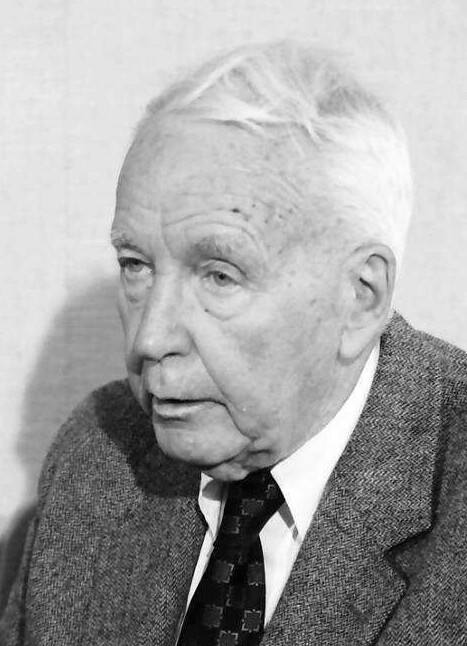
Key people
- Charles B. Huggins
- Chicago surgeon who showed prostate cancer depends on androgens
- Clarence V. Hodges
- Co-author of the 1941 serum phosphatase study
Source
Charles Huggins, a Canadian-born surgeon at the University of Chicago, came to prostate cancer through the physiology of the dog. He devised a way to collect a dog's prostatic secretion at frequent intervals for years, and found that removing the testes shrank the gland and stopped secretion, while testosterone restored it. Huggins called the dog the only laboratory species in which prostate tumors occur, and in old dogs he saw that castration or small doses of estrogen made the tumors shrink quickly.
In men he needed a measure of the cancer's activity. Kutscher and Wolbergs had found acid phosphatase concentrated in the human prostate, and Gutman and Gutman had shown that serum acid phosphatase rises in many men with metastatic prostate cancer. With Clarence Hodges, Huggins chose eight men with bone metastases and high serum acid phosphatase, measured the enzyme three times a week, and castrated all of them; some also received estrogens, including stilbestrol, a synthetic compound first made in 1938. Castration and estrogen lowered acid phosphatase. Testosterone raised it: in one man, 25 mg a day for 18 days took it from 11 to 48.75 units. They reported in Cancer Research in 1941 that, judged by serum phosphatases, the disease was inhibited by eliminating androgens.
A second 1941 paper, with R. E. Stevens, reported the first series treated by orchiectomy: 21 men with far-advanced metastases, of whom 4 lived more than 12 years. Huggins later acknowledged many failures but judged that the treatments had lengthened lives and reduced pain. He called the removal of a normal gland to control distant disease physiologic surgery, and described stilbestrol as the first synthetic substance to control a cancer. Huggins traced the first sign that an advanced cancer could be made to regress to G. T. Beatson's removal of the ovaries in two women with breast cancer in 1896.
When Huggins shared the 1966 Nobel Prize in Physiology or Medicine with Peyton Rous, G. Klein of the Nobel committee said that more than half of men with prostate cancer too advanced for surgery had shown objective shrinkage or disappearance of their tumors, often with years free of symptoms. Huggins also introduced hormonal treatment of breast cancer. He died on 12 January 1997.
Keep exploring
 Read next · same disease or problem
NSABP P-1 Breast Cancer Prevention Trial (tamoxifen) (1998)
Huggins controlled prostate cancer by removing its hormone, and tamoxifen blocked estrogen to prevent breast cancer. The P 1 trial shows a hormone drug tested in more than 13,000 women.
Read this moment
Read next · same disease or problem
NSABP P-1 Breast Cancer Prevention Trial (tamoxifen) (1998)
Huggins controlled prostate cancer by removing its hormone, and tamoxifen blocked estrogen to prevent breast cancer. The P 1 trial shows a hormone drug tested in more than 13,000 women.
Read this moment
 Today on The Clinical Times
Love to Dream recalls portable baby sound machine over fire and burn risk
Love to Dream has recalled its portable Sleep Machine because its lithium-ion battery can overheat while charging with an incompatible charger, creating a risk of fire and burns.
Read today’s top stories
Today on The Clinical Times
Love to Dream recalls portable baby sound machine over fire and burn risk
Love to Dream has recalled its portable Sleep Machine because its lithium-ion battery can overheat while charging with an incompatible charger, creating a risk of fire and burns.
Read today’s top stories
All 526 moments in the history of medicine. This one is in chapter 5, Cures and codes
Connected moments
How this moment links to others in the history of medicine, and what you will find in each.
- Same person1911Rous and the chicken sarcoma virusHuggins shared the 1966 Nobel Prize with Peyton Rous. Rous's story shows the chicken tumor passed by a cell free filtrate, the first solid tumor shown to be caused by a virus.Read this moment
- Same disease or problem1987The PSA test and prostate cancer screeningHuggins tracked prostate cancer with a blood enzyme, and the PSA test later tracked it with a blood protein. The PSA story shows screening that found much cancer that would never have caused harm.Read this moment
-
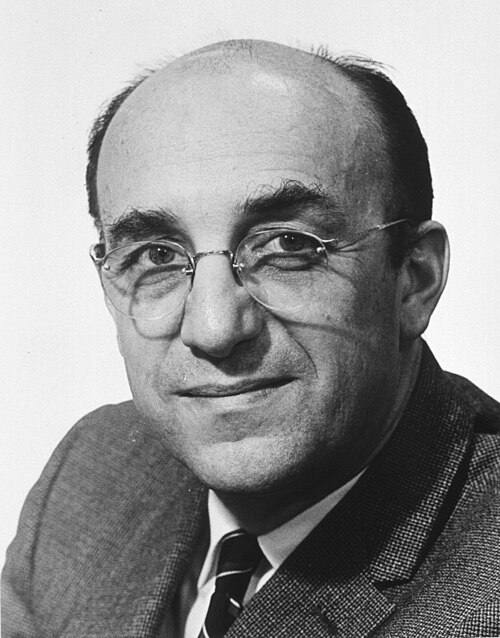 Same disease or problem1971Schally and Guillemin: Hypothalamic Releasing HormonesHuggins controlled prostate cancer by removing the testes, and Schally's GnRH work led to drugs that achieve the same castration medically. Their story shows the brain's chemical control of the pituitary.Read this moment