Genetics & Molecular
1973
Cohen and Boyer recombinant DNA cloning
Stanley Cohen and Herbert Boyer cut bacterial plasmids with the enzyme EcoRI, joined pieces from different plasmids into new DNA molecules and showed that Escherichia coli carrying them grew and copied them. Their method made it possible to clone foreign DNA in bacteria.
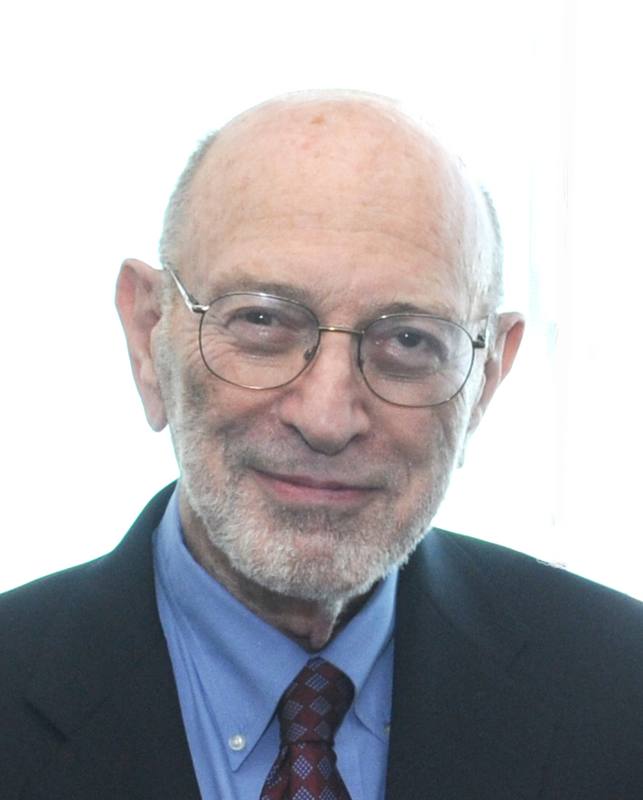
Key people
- Stanley N. Cohen
- Stanford geneticist whose laboratory supplied plasmids and the uptake method
- Herbert W. Boyer
- UCSF biochemist whose laboratory found the EcoRI enzyme
- Robert B. Helling
- Co-author who first tried EcoRI cloning with Boyer
Source
In 1972 researchers including Herbert Boyer, a biochemist at the University of California, San Francisco, realized that the restriction enzyme EcoRI, found in his laboratory, left staggered ends on the DNA it cut. Any two pieces cut by it had matching ends that could latch together with no further chemistry. Boyer and Robert Helling first tried to use it on the DNA of the bacterial virus lambda, but the enzyme cut that DNA in five places instead of one.
In November 1972 Boyer and Stanley Cohen of Stanford University were both in Hawaii for a joint US and Japanese meeting on plasmids, the small rings of DNA that bacteria carry apart from their chromosome. Boyer spoke about the ends EcoRI produced. Cohen described a procedure from his laboratory that let bacteria take up plasmid DNA and pass identical, self-copying plasmids to their offspring. Over sandwiches late one night they planned to work together.
The first success came in spring 1973 with one of Cohen's plasmids, pSC101, which made E. coli resistant to tetracycline and which EcoRI cut at a single site without destroying its ability to replicate. Mixed with other DNA cut by the same enzyme, the opened rings joined with the new fragments into fresh loops. Another enzyme sealed the remaining nicks, the loops went into calcium chloride-treated bacteria, and only bacteria carrying the recombinant plasmids survived on tetracycline plates. The team then joined tetracycline-resistance and kanamycin-resistance plasmids. Their paper in the Proceedings of the National Academy of Sciences, with A. C. Chang and Helling, appeared in November 1973.
Next they moved DNA across species: a plasmid piece from Staphylococcus was spliced into an E. coli plasmid and propagated in E. coli. In the summer of 1973 John Morrow, a graduate student in Paul Berg's laboratory, worked with Cohen and Boyer to put genes of the South African clawed frog into E. coli. The same year, worry about the hazards of such work led to the first Asilomar conference on biohazards. In 1976 Boyer and the venture capitalist Robert Swanson founded Genentech to turn the technique into products.
Keep exploring
 Read next · led to
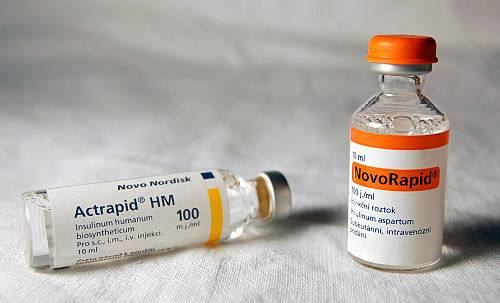
Recombinant Human Insulin (synthesis of the gene) (1978)
Boyer co-founded Genentech to turn the cloning method into products, and human insulin made in bacteria was among the first. The 1978 entry shows synthetic insulin genes put to work in bacteria.
Read this moment
Read next · led to
Recombinant Human Insulin (synthesis of the gene) (1978)
Boyer co-founded Genentech to turn the cloning method into products, and human insulin made in bacteria was among the first. The 1978 entry shows synthetic insulin genes put to work in bacteria.
Read this moment
 Today on The Clinical Times
Love to Dream recalls portable baby sound machine over fire and burn risk
Love to Dream has recalled its portable Sleep Machine because its lithium-ion battery can overheat while charging with an incompatible charger, creating a risk of fire and burns.
Read today’s top stories
Today on The Clinical Times
Love to Dream recalls portable baby sound machine over fire and burn risk
Love to Dream has recalled its portable Sleep Machine because its lithium-ion battery can overheat while charging with an incompatible charger, creating a risk of fire and burns.
Read today’s top stories
All 526 moments in the history of medicine. This one is in chapter 6, Trials, scanners and rights
Connected moments
How this moment links to others in the history of medicine, and what you will find in each.
-
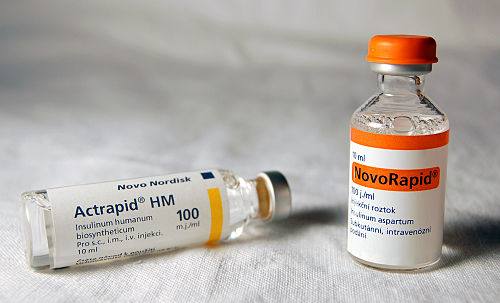 Led to1982Recombinant Human Insulin (Humulin) ApprovalRecombinant cloning made it possible for bacteria to manufacture a human protein as a medicine. The Humulin entry shows the first commercial recombinant DNA health product replacing insulin from animal pancreas.Read this moment
-
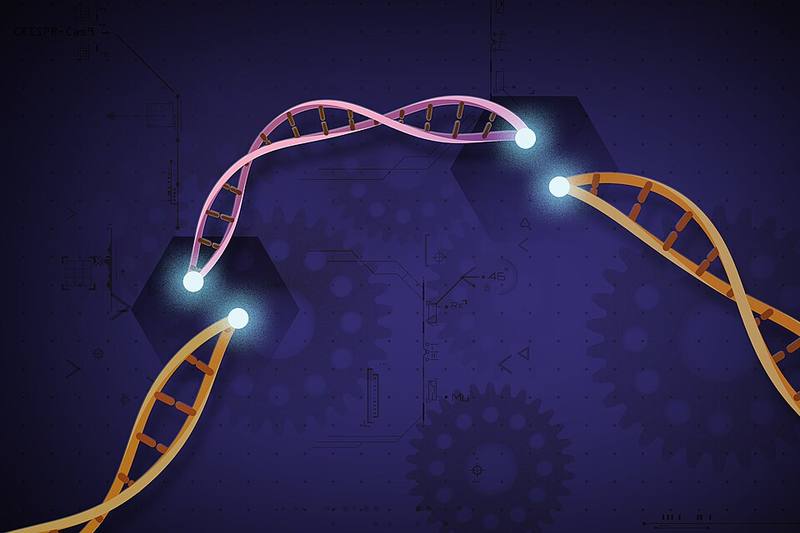 Same disease or problem2012CRISPR-Cas9 Programmable Genome EditingBoth gave biologists a tool to cut DNA at chosen places and rebuild it, first in bacteria and later in any genome. The CRISPR entry shows a cheap, reprogrammable editor that reached an approved therapy in 2023.Read this moment