Infectious Disease
1985
First licensed HIV antibody test
On 2 March 1985 the FDA licensed the first commercial blood test for antibody to the AIDS virus, an ELISA, and US blood banks began screening donated blood. Blood and blood products then accounted for about 2 percent of reported AIDS cases.
Key people
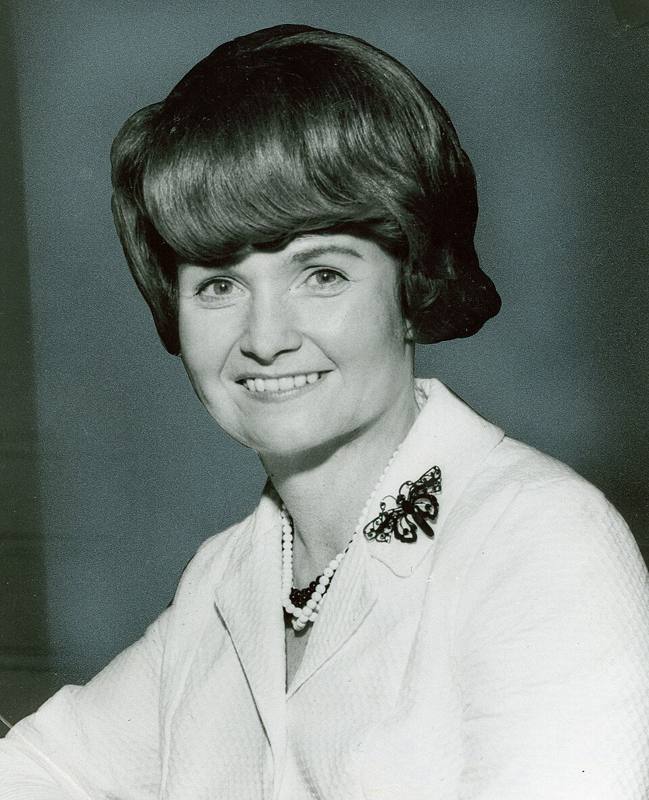
- Margaret Heckler
- Health and human services secretary who announced the AIDS virus in 1984
- Robert Gallo
- NCI scientist whose team reported HTLV-III as the cause of AIDS
Source
In January 1983 CDC called a public meeting on protecting the nation's blood supply from AIDS. Representatives of the FDA, the National Institutes of Health, blood services, the hemophilia community and gay activists attended, and they could not agree on what to do. In March the Public Health Service asked members of groups at increased risk to refrain from donating blood or plasma. By January 1985, blood and blood products accounted for about 2 percent of reported AIDS cases.
Margaret Heckler, the health and human services secretary, announced in 1984 that Robert Gallo and colleagues at the National Cancer Institute had found the cause of AIDS, a retrovirus they called HTLV-III, and that a diagnostic blood test was being developed. The virus also went by other names, among them lymphadenopathy-associated virus (LAV). The first antibody tests were modified enzyme-linked immunosorbent assays, or ELISAs, built on antigens from whole disrupted virus.
The Public Health Service issued provisional recommendations for screening donated blood and plasma on 11 January 1985. In research studies the ELISA had found antibody in 68 to 100 percent of patients with AIDS, 56 to 72 percent of people with hemophilia A, 22 to 65 percent of homosexual men and 87 percent of drug injectors admitted to one New York City detoxification program, but in fewer than 1 percent of people with no known risk. Donors were to be told that their blood would be tested and that they would be notified if it was positive. Positive specimens were to be retested first, and the Western blot, read as positive if bands for the p24 or gp41 proteins appeared, was the best-studied follow-up test.
The FDA licensed the first commercial test on 2 March 1985, and blood banks began screening the US supply. The recommendations had warned of false positives in early use and noted that some infected people had gone more than six months without detectable antibody. A more specific Western blot test kit was approved on 29 April 1987.
Keep exploring
 Read next · built on
First report of AIDS (Pneumocystis pneumonia cluster) (1981)
The test followed the discovery of the virus behind the illness first reported in 1981. The first report entry shows five young men with a rare pneumonia and the epidemic that grew from them.
Read this moment
Read next · built on
First report of AIDS (Pneumocystis pneumonia cluster) (1981)
The test followed the discovery of the virus behind the illness first reported in 1981. The first report entry shows five young men with a rare pneumonia and the epidemic that grew from them.
Read this moment
 Today on The Clinical Times
Love to Dream recalls portable baby sound machine over fire and burn risk
Love to Dream has recalled its portable Sleep Machine because its lithium-ion battery can overheat while charging with an incompatible charger, creating a risk of fire and burns.
Read today’s top stories
Today on The Clinical Times
Love to Dream recalls portable baby sound machine over fire and burn risk
Love to Dream has recalled its portable Sleep Machine because its lithium-ion battery can overheat while charging with an incompatible charger, creating a risk of fire and burns.
Read today’s top stories
All 526 moments in the history of medicine. This one is in chapter 6, Trials, scanners and rights
Connected moments
How this moment links to others in the history of medicine, and what you will find in each.
-
 Same disease or problem1965Discovery of the hepatitis B virus (Australia antigen)Both gave blood banks a test to keep a deadly virus out of donated blood. Blumberg's entry shows how screening for hepatitis B cut hepatitis after transfusion from 18 to 6 percent at one hospital.Read this moment
-
 Same disease or problem1989Discovery of the hepatitis C virusBoth led to screening that made the blood supply safer, for HIV in 1985 and hepatitis C a few years later. The hepatitis C entry shows how cloning the virus nearly eliminated transfusion hepatitis.Read this moment