Public Health
1987
Ivermectin and the Mectizan Donation Program
After France approved ivermectin for human river blindness in October 1987, Merck pledged to give it free for as long as needed. More than 14 billion tablets have since been shipped, and several countries have eliminated river blindness transmission.
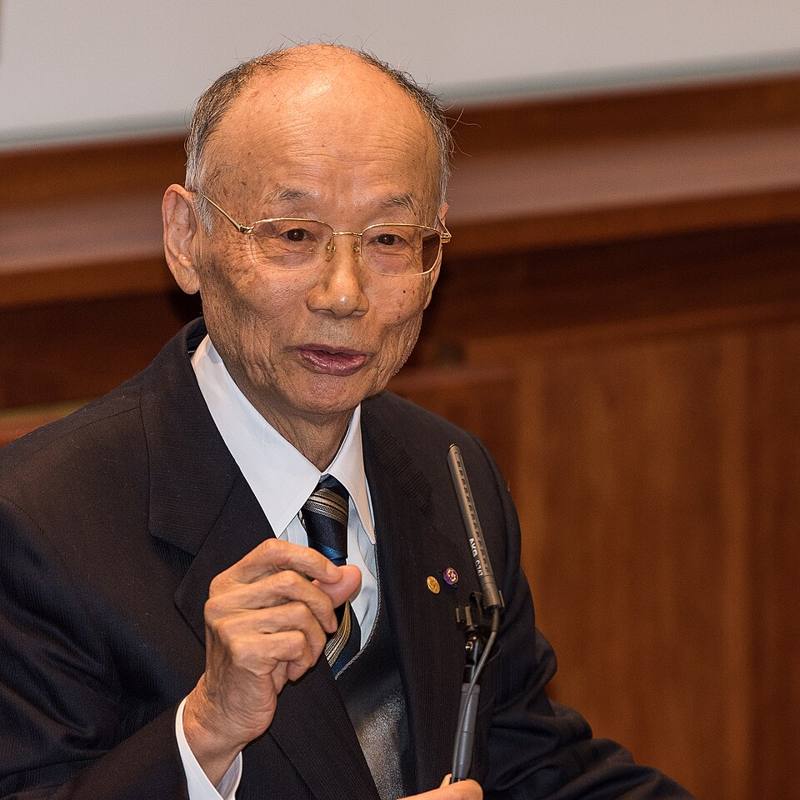
Key people
- Satoshi Ōmura
- Kitasato Institute scientist whose team isolated the avermectin-producing strain
- William C. Campbell
- Merck parasite biologist who led the avermectin studies
- Mohammed Aziz
- Merck scientist who led the first human trials in Senegal
- P. Roy Vagelos
- Merck research head, then chief executive, who announced the donation
Source
River blindness, or onchocerciasis, is caused by the worm Onchocerca volvulus and spread by the bites of blackflies that breed in flowing water. The damage is done by the microscopic larvae the adult worms release: severe itching, disfiguring skin disease and loss of sight, including permanent blindness. More than 99 percent of infected people live in Africa and Yemen.
The drug came from Japanese soil. In 1973 Satoshi Ōmura of the Kitasato Institute in Tokyo began a collaboration with Merck, Sharp and Dohme's research laboratories, sending cultures of soil microbes for testing. In one of the first 50 selected cultures, sent in 1974, William Campbell's team at Merck found a strain, from a soil sample collected near a golf course at Kawana in Ito City, whose broth cleared worms from infected mice. The active compounds were named avermectins, and a chemically modified form, ivermectin, went on sale as a veterinary product in 1981. No other avermectin-producing organism has been found.
When ivermectin proved active against a related Onchocerca parasite of horses, Campbell pressed for a human trial, and Roy Vagelos, then head of Merck research, approved one. In February 1981 Mohammed Aziz of Merck and colleagues from the universities of Dakar and Paris tested it in patients in Senegal and found that it killed the larvae in the skin. French regulators approved ivermectin for human use in October 1987.
Within a month Vagelos, by then Merck's chief executive, announced that the company would donate the drug, as Mectizan, in whatever amounts were needed for as long as needed, and the Kitasato Institute gave up its royalties. In 1998 the donation was extended to lymphatic filariasis in Africa and Yemen, given with albendazole donated by GlaxoSmithKline. Campbell and Ōmura shared half of the 2015 Nobel Prize in Physiology or Medicine. The program reports more than 14 billion tablets shipped since 1987. WHO has verified Colombia (2013), Ecuador (2014), Mexico (2015), Guatemala (2016) and Niger (2025) free of river blindness transmission.
Keep exploring
 Read next · same person
FDA approval of lovastatin, the first statin (HMG-CoA reductase inhibitor) (1987)
Roy Vagelos, who pledged Mectizan free for as long as needed, had also brought the statin forerunner compactin to Merck. The lovastatin entry shows the first statin approved the same year.
Read this moment
Read next · same person
FDA approval of lovastatin, the first statin (HMG-CoA reductase inhibitor) (1987)
Roy Vagelos, who pledged Mectizan free for as long as needed, had also brought the statin forerunner compactin to Merck. The lovastatin entry shows the first statin approved the same year.
Read this moment
 Today on The Clinical Times
Love to Dream recalls portable baby sound machine over fire and burn risk
Love to Dream has recalled its portable Sleep Machine because its lithium-ion battery can overheat while charging with an incompatible charger, creating a risk of fire and burns.
Read today’s top stories
Today on The Clinical Times
Love to Dream recalls portable baby sound machine over fire and burn risk
Love to Dream has recalled its portable Sleep Machine because its lithium-ion battery can overheat while charging with an incompatible charger, creating a risk of fire and burns.
Read today’s top stories
All 526 moments in the history of medicine. This one is in chapter 6, Trials, scanners and rights
Connected moments
How this moment links to others in the history of medicine, and what you will find in each.
-
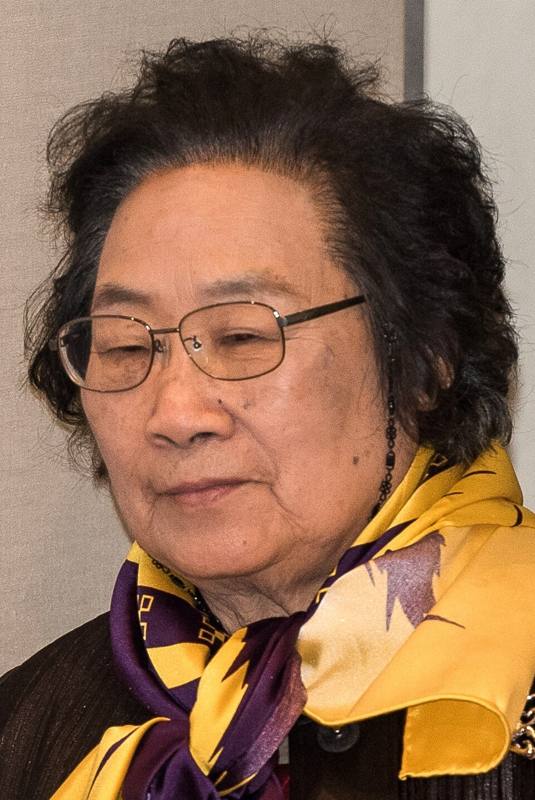 Same disease or problem1972Tu Youyou and artemisininBoth drugs fight parasitic diseases, river blindness and malaria, and their discoverers shared the 2015 Nobel Prize. Tu's entry shows an old Chinese fever herb turned into the leading malaria treatment.Read this moment
-
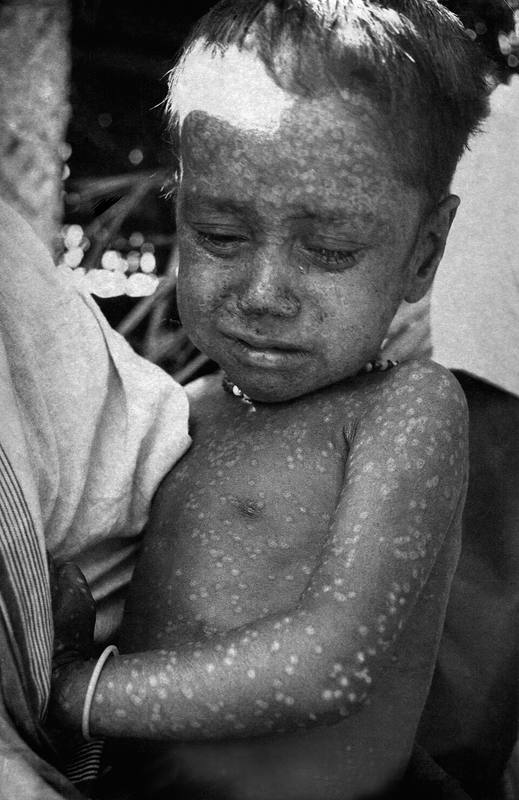 Same disease or problem1980Global Eradication of SmallpoxBoth campaigns aimed to rid whole countries of a disease, and WHO has verified several countries free of river blindness. The smallpox entry shows the only human disease so far eradicated worldwide.Read this moment