Genetics & Molecular
1949
Sickle cell anemia as a molecular disease
Pauling, Itano, Singer and Wells found by electrophoresis that sickle cell hemoglobin carries a different electric charge. It was the first evidence that an abnormal protein could cause a disease; in 1956 and 1957 Vernon Ingram traced it to a single amino acid change.
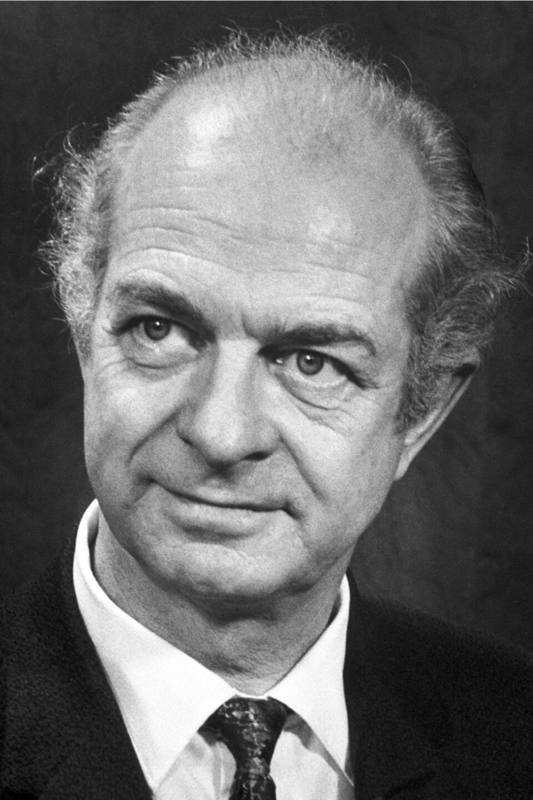
Key people
- Linus Pauling
- Caltech chemist who proposed that sickling came from abnormal hemoglobin
- Harvey A. Itano
- Physician and Caltech doctoral student; co-author of the 1949 paper
- William B. Castle
- Harvard physician who described sickling to Pauling in 1945
- Vernon M. Ingram
- Cambridge protein chemist who found the single amino acid change
Source
The disease had been on record since 1910, when Ernest Irons, an intern at Presbyterian Hospital in Chicago, noticed elongated red cells in a blood smear from a dental student with severe anemia, and James Herrick published the case.
Linus Pauling, a chemist at Caltech, first heard of sickle cell anemia in 1945 from William Castle of Harvard Medical School. Both sat on a medical advisory committee preparing part of Vannevar Bush's report Science, the Endless Frontier. Castle mentioned that the patients' red cells looked normal in arterial blood and turned crescent-shaped in venous blood. Because only cells that had lost their oxygen sickled, Pauling reasoned that hemoglobin was involved, and that an abnormal hemoglobin might stick to itself when deoxygenated and bend the cell. Another committee member, Ed Doisy of St. Louis University, suggested that Pauling take Doisy's newly graduated medical student, Harvey Itano, as a chemistry doctoral student.
Pauling's group, with Itano, S. J. Singer and Ibert Wells, ran hemoglobin from patients and healthy adults through Caltech's Tiselius electrophoresis apparatus. Pauling and Itano announced the first results in March 1949 and the full paper in Science followed in November. At pH 7.0 the carbon monoxide form of sickle cell hemoglobin moved as a positive ion and the normal form as a negative one; the authors put the difference at two to four extra positive charges. The heme groups were identical, so the difference lay in the globin. Hemoglobin from healthy people of European and African descent could not be told apart. Blood from people with sickle cell trait held both kinds, roughly 60 percent normal to 40 percent sickle. The authors concluded that patients were homozygous and carriers heterozygous, the same conclusion James Neel of the University of Michigan had reached from family studies and published in Science four months earlier. The Caltech group stated that they had reached it on their own.
In 1956 Vernon Ingram, a protein chemist at the Cavendish Laboratory in Cambridge, compared the two hemoglobins by fingerprinting, spreading their peptides across paper by electrophoresis and chromatography. One spot differed. Less than a year later, in a 1957 paper in Nature, he showed that the change was a single amino acid, valine in place of glutamic acid, which explained the charge difference. The substitution sits at the sixth amino acid of the beta globin chain.
Keep exploring
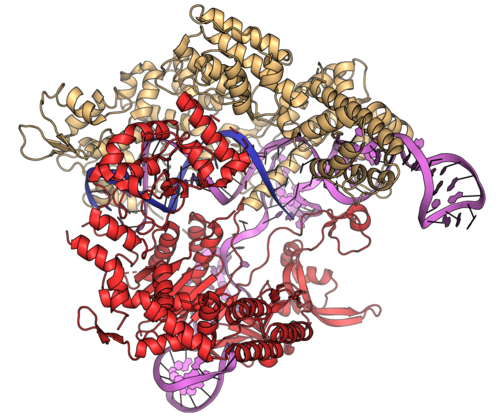 Read next · same disease or problem
Exagamglogene Autotemcel (Casgevy): First Approved CRISPR-Based Therapy (2023)
Pauling showed sickle cell anemia comes from an abnormal hemoglobin, and in 2023 a CRISPR therapy was approved to treat it. The Casgevy story shows the first approved gene editing treatment.
Read this moment
Read next · same disease or problem
Exagamglogene Autotemcel (Casgevy): First Approved CRISPR-Based Therapy (2023)
Pauling showed sickle cell anemia comes from an abnormal hemoglobin, and in 2023 a CRISPR therapy was approved to treat it. The Casgevy story shows the first approved gene editing treatment.
Read this moment
 Today on The Clinical Times
Love to Dream recalls portable baby sound machine over fire and burn risk
Love to Dream has recalled its portable Sleep Machine because its lithium-ion battery can overheat while charging with an incompatible charger, creating a risk of fire and burns.
Read today’s top stories
Today on The Clinical Times
Love to Dream recalls portable baby sound machine over fire and burn risk
Love to Dream has recalled its portable Sleep Machine because its lithium-ion battery can overheat while charging with an incompatible charger, creating a risk of fire and burns.
Read today’s top stories
All 526 moments in the history of medicine. This one is in chapter 5, Cures and codes
Connected moments
How this moment links to others in the history of medicine, and what you will find in each.
-
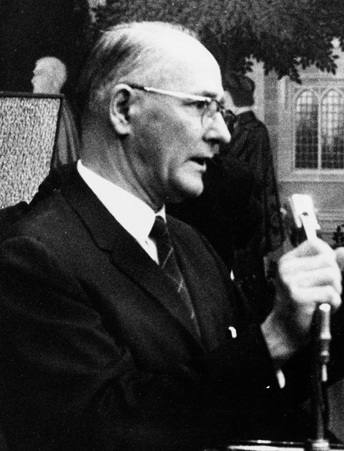 Same disease or problem1941Beadle, Tatum and one gene, one enzymeBeadle and Tatum tied genes to single enzymes, and Pauling's group tied an inherited disease to a single abnormal protein. Their story shows bread mold mutants that each lost one chemical step.Read this moment
-
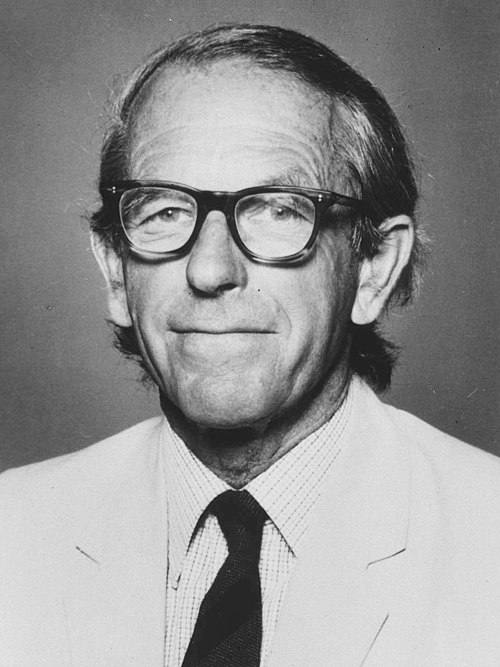 Same disease or problem1955Sanger's Sequencing of InsulinIngram traced sickle hemoglobin to one changed amino acid, the kind of reading Sanger made possible by sequencing insulin. Sanger's story shows the first full sequence of any protein.Read this moment