Genetics & Molecular
1950
McClintock's jumping genes
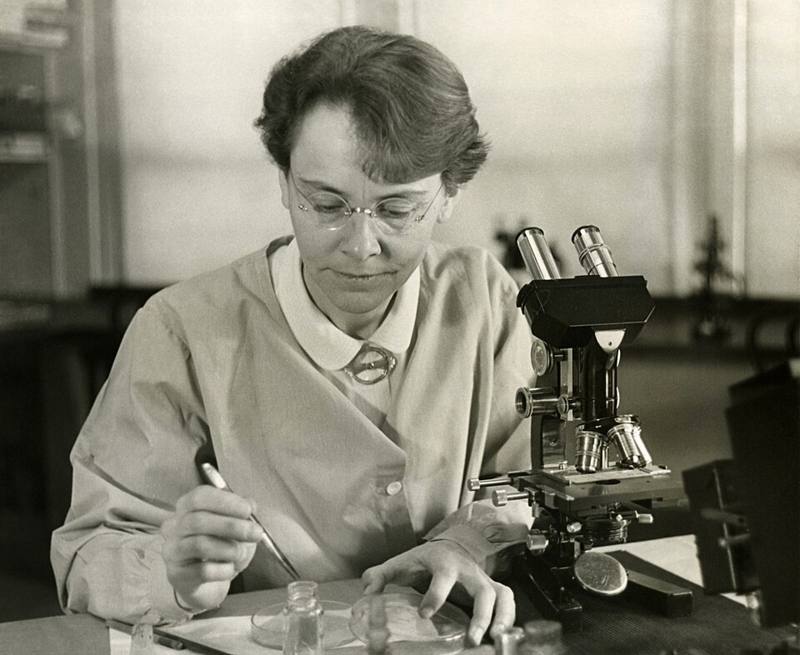
Working with maize at Cold Spring Harbor, Barbara McClintock found in the late 1940s that genetic elements can move along the chromosomes and switch nearby genes on and off. She published the evidence in 1950 and won an unshared Nobel Prize for it in 1983.
Key people
- Barbara McClintock
- Maize geneticist who discovered transposition; Nobel laureate 1983
- Harriet Creighton
- Graduate student; co-author of the 1931 crossing-over paper
- Royal Alexander Brink
- Wisconsin geneticist who confirmed transposition in maize
Source
Barbara McClintock had made her name in maize cytogenetics, the study of genes through the chromosomes that carry them. In 1931 she and her graduate student Harriet Creighton showed that genetic crossing-over involves a physical exchange of chromosome segments. In 1944 she became the third woman elected to the National Academy of Sciences, and in 1945 the first woman president of the Genetics Society of America.
At the Carnegie Institution's Department of Genetics at Cold Spring Harbor, New York, she had land to grow corn and no teaching duties. She studied a site on maize chromosome 9 where the chromosome kept breaking, which she named Dissociation, or Ds. Among plants grown in the summer of 1944 she found that Ds broke the chromosome only when a second locus, Activator, or Ac, was present, even on a different chromosome. Early in 1948 she found that both could change position. Where they landed they could turn neighboring genes off, causing unstable mutations, and when they moved away the gene could work again. The color of individual corn kernels was one trait they switched.
She set out the evidence in the Proceedings of the National Academy of Sciences in 1950 and spoke on it at the Cold Spring Harbor Symposium in the summer of 1951. By then Royal Alexander Brink and Robert Nilan at the University of Wisconsin had confirmed transposition in maize. Accounts of the reception differ. Evelyn Witkin remembered dead silence, and McClintock spoke of puzzlement, even hostility; Joshua Lederberg argued in 1983 that she would not have been invited if the organizers had not seen some importance in the work. Her view of these elements as controllers of genes clashed with the picture of genes as fixed in a line on the chromosome, and after meeting skepticism she largely stopped publishing her data in journals.
In the early 1970s molecular biologists found transposition in bacteria and viruses, and later in yeast; it turned out to move genes for antibiotic resistance between bacteria. In 1983, at 81, McClintock received the Nobel Prize in Physiology or Medicine for her discovery of mobile genetic elements, the first woman to win that prize unshared. By a 2012 estimate in PNAS, transposons make up more than 65 percent of the human genome and about 85 percent of the maize genome. She died on 2 September 1992.
Keep exploring
 Read next · same disease or problem
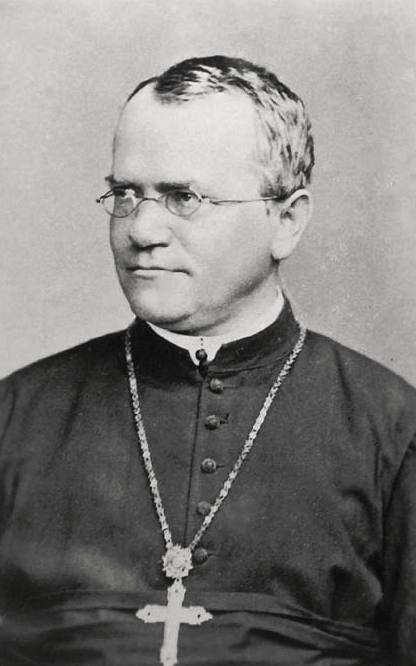
Mendel's experiments on plant hybrids (1866)
Mendel found units of inheritance, and McClintock found that some of them can move along the chromosomes. Mendel's story shows eight years of crossing peas.
Read this moment
Read next · same disease or problem
Mendel's experiments on plant hybrids (1866)
Mendel found units of inheritance, and McClintock found that some of them can move along the chromosomes. Mendel's story shows eight years of crossing peas.
Read this moment
 Today on The Clinical Times
Love to Dream recalls portable baby sound machine over fire and burn risk
Love to Dream has recalled its portable Sleep Machine because its lithium-ion battery can overheat while charging with an incompatible charger, creating a risk of fire and burns.
Read today’s top stories
Today on The Clinical Times
Love to Dream recalls portable baby sound machine over fire and burn risk
Love to Dream has recalled its portable Sleep Machine because its lithium-ion battery can overheat while charging with an incompatible charger, creating a risk of fire and burns.
Read today’s top stories
All 526 moments in the history of medicine. This one is in chapter 5, Cures and codes
Connected moments
How this moment links to others in the history of medicine, and what you will find in each.
-
 Same disease or problem1941Beadle, Tatum and one gene, one enzymeBeadle and Tatum showed what a gene does, and McClintock showed that moving elements can switch genes on and off. Their story shows bread mold mutants each missing one chemical step.Read this moment
-
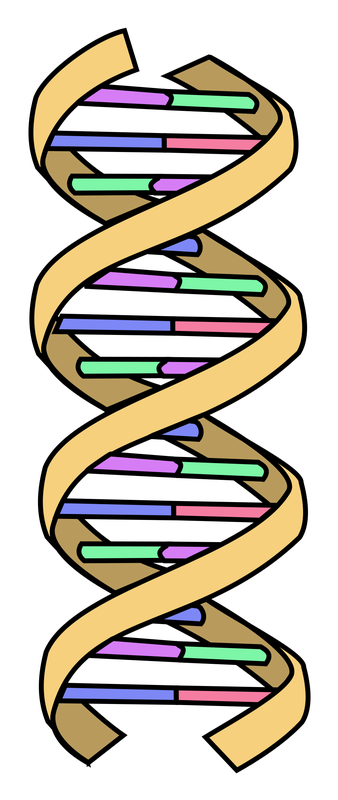 Same disease or problem1953Molecular Structure of Nucleic Acids: The DNA Double HelixMcClintock's moving elements clashed with the picture of genes fixed in a line, and the double helix soon showed what genes are made of. That story shows how DNA copies itself.Read this moment