Epidemiology
1976
First recognized Ebola outbreaks
Two outbreaks of a new hemorrhagic fever in 1976, around Nzara in Sudan and Yambuku in Zaire, killed 280 of 318 patients in Zaire and 53 percent of 284 in Sudan. Contaminated needles at a mission hospital spread much of the Zairean outbreak.
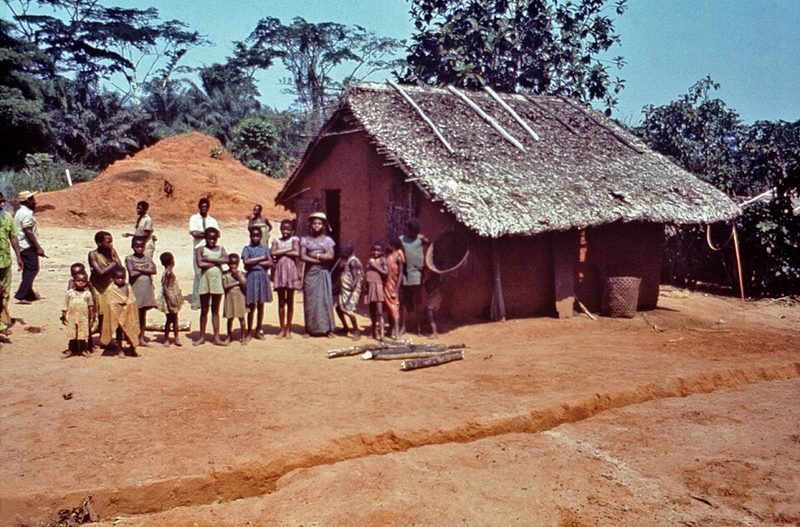
The index case at Yambuku, in the Bumba Zone of northern Zaire, fell ill on 1 September 1976, five days after an injection of chloroquine for presumed malaria at the outpatient clinic of the Yambuku Mission Hospital. Within a week others who had received injections there were sick. Almost every later patient had either been injected at the hospital or had close contact with a case. Women aged 15 to 29 had the highest incidence, which investigators tied to injections at the prenatal and outpatient clinics. After about four weeks the hospital closed; 11 of its 17 staff had died.
Between 1 September and 24 October there were 318 cases and 280 deaths, with only 38 serologically confirmed survivors. Most cases lay within 70 km of Yambuku, though a few patients sought care in Bumba, Abumombazi and Kinshasa, where some secondary and tertiary cases followed. House-to-house searches of about 550 villages found cases in 55. The illness usually lasted about a week: vague symptoms, then worsening sore throat, rash, intractable abdominal pain and bleeding from many sites, mainly the gut.
The Sudanese outbreak began earlier, in June, and ran to November. Of its 284 cases, 67 were in Nzara, where it seems to have started among workers at a cotton factory, and 213 in Maridi, where a large, busy hospital amplified it. Spread required close contact with an acute case and usually came from nursing a patient. The death rate was 53 percent. In the factory's cloth room, 37 percent of workers appeared to have been infected.
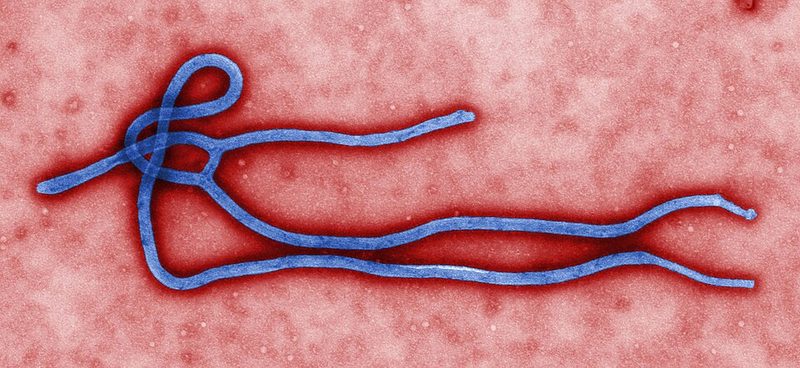
Laboratories isolated the agent from the blood of 8 of 10 suspected cases in Zaire, using Vero cells. It resembled Marburg virus in shape but was immunologically distinct, and it was named Ebola virus, after the Ebola River near the affected village. Because the trip from Nzara to Bumba took four days or less, the Zaire investigators thought it quite possible that a traveler from Sudan had passed the virus to a hospital needle. WHO now counts the two as separate diseases, caused by Sudan virus in Nzara and Ebola virus in Yambuku. Licensed vaccines and treatments exist only for Ebola virus disease.
Keep exploring
 Read next · same disease or problem
West African Ebola epidemic (2014)
The virus first named in 1976 returned in West Africa on a far larger scale. The 2014 entry shows 28,610 cases and 11,308 deaths across Guinea, Liberia and Sierra Leone.
Read this moment
Read next · same disease or problem
West African Ebola epidemic (2014)
The virus first named in 1976 returned in West Africa on a far larger scale. The 2014 entry shows 28,610 cases and 11,308 deaths across Guinea, Liberia and Sierra Leone.
Read this moment
 Today on The Clinical Times
Love to Dream recalls portable baby sound machine over fire and burn risk
Love to Dream has recalled its portable Sleep Machine because its lithium-ion battery can overheat while charging with an incompatible charger, creating a risk of fire and burns.
Read today’s top stories
Today on The Clinical Times
Love to Dream recalls portable baby sound machine over fire and burn risk
Love to Dream has recalled its portable Sleep Machine because its lithium-ion battery can overheat while charging with an incompatible charger, creating a risk of fire and burns.
Read today’s top stories
All 526 moments in the history of medicine. This one is in chapter 6, Trials, scanners and rights
Connected moments
How this moment links to others in the history of medicine, and what you will find in each.
-
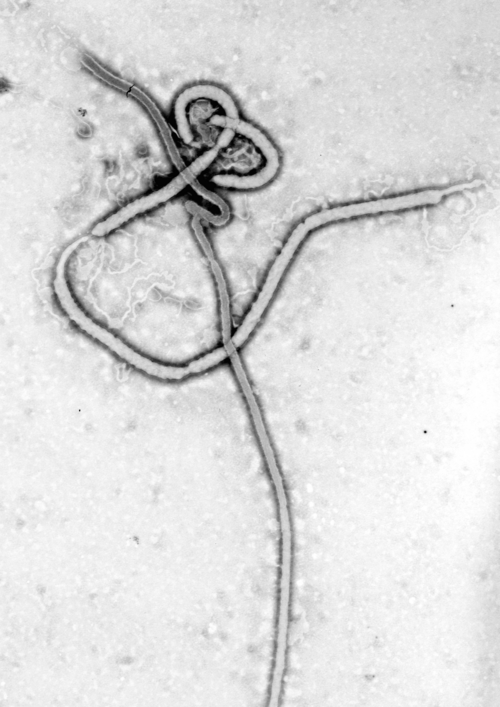 Same disease or problem2017Ervebo (rVSV-ZEBOV) Ebola Vaccine: Ebola Ça Suffit! Ring Vaccination TrialFour decades after the virus was identified at Yambuku, a vaccine against it finally worked. The Ervebo entry shows a ring vaccination trial in Guinea with no cases from ten days after a single dose.Read this moment
-
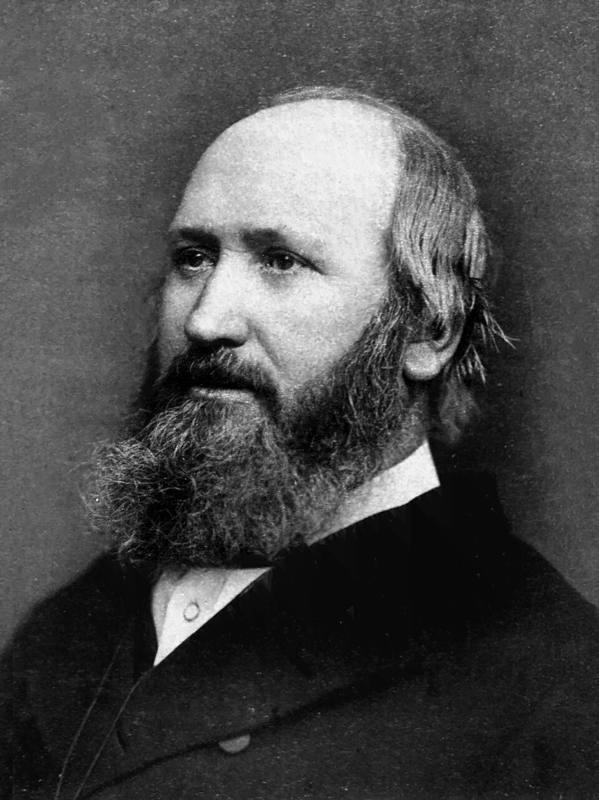 Same disease or problem1853Alexander Wood's hypodermic syringeContaminated needles at a mission hospital spread much of the Yambuku outbreak. The syringe entry shows how the hypodermic needle arrived in 1853, and how long it took to grasp the infection risk of injections.Read this moment
-
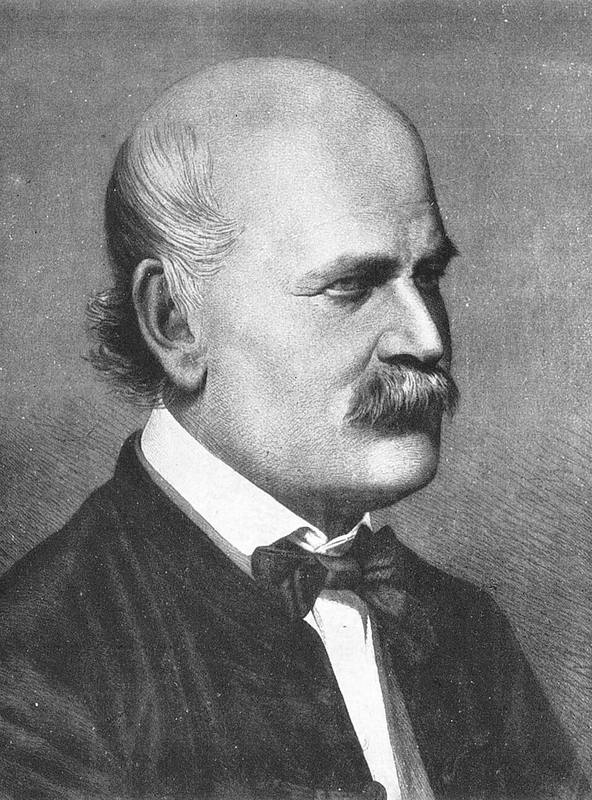 Same disease or problem1847Hand washing prevents childbed feverBoth outbreaks were spread by the hospital itself, through needles at Yambuku and through doctors' hands in Vienna. Semmelweis's entry shows hand washing cutting deaths on his maternity ward from 18 to 2 percent.Read this moment