Epidemiology
2014
West African Ebola epidemic
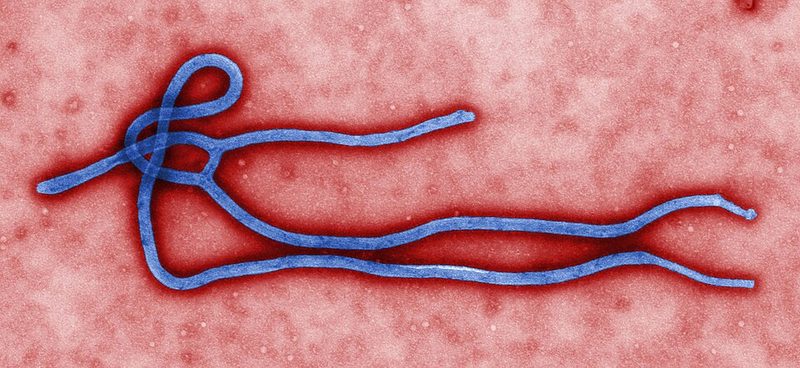
Traced to a death in Guinea in December 2013, the epidemic caused 28,610 cases and 11,308 deaths in Guinea, Liberia and Sierra Leone, the largest Ebola outbreak on record. WHO declared an international emergency in August 2014 and ended it in March 2016.
Key people
- Sylvain Baize
- First author of the 2014 report identifying the Guinean Ebola strain
Source
In March 2014 WHO was notified of an outbreak in Guinea of a disease causing fever, severe diarrhea and vomiting, with a high fatality rate. Laboratories identified Zaire ebolavirus. Sequencing of full genomes showed that the Guinean virus formed its own clade, separate from the strains known from the Democratic Republic of Congo and Gabon. The outbreak had begun in the forested rural southeast of the country, and Sylvain Baize and colleagues linked the confirmed cases to a presumed first death in December 2013.
The virus reached Liberia and Sierra Leone, where weak surveillance and fragile health systems let it spread. On 8 August 2014 the WHO Director-General declared a Public Health Emergency of International Concern on the advice of an Emergency Committee. The committee cited the virus's virulence, intense transmission in communities and health facilities, severe shortages in the health systems of the affected countries, several generations of spread in capital cities, and many infections among health workers, a sign that infection control was failing.
CDC counts 28,610 cases and 11,308 deaths in the three countries, about 40 percent of recorded cases, making it the largest Ebola outbreak in history. By 27 March 2016 Guinea had joined Liberia and Sierra Leone in meeting the criteria for confirming that their original chains of transmission were broken. Two days later WHO ended the emergency and its temporary recommendations. Twelve new clusters had appeared by then, each detected and responded to rapidly, and the outbreak was declared over in June 2016.
Keep exploring
 Read next · same disease or problem
First recognized Ebola outbreaks (1976)
The Zaire ebolavirus behind the 2014 epidemic was first identified at Yambuku in 1976. That entry shows the first outbreaks, spread by contaminated needles at a mission hospital.
Read this moment
Read next · same disease or problem
First recognized Ebola outbreaks (1976)
The Zaire ebolavirus behind the 2014 epidemic was first identified at Yambuku in 1976. That entry shows the first outbreaks, spread by contaminated needles at a mission hospital.
Read this moment
 Today on The Clinical Times
Love to Dream recalls portable baby sound machine over fire and burn risk
Love to Dream has recalled its portable Sleep Machine because its lithium-ion battery can overheat while charging with an incompatible charger, creating a risk of fire and burns.
Read today’s top stories
Today on The Clinical Times
Love to Dream recalls portable baby sound machine over fire and burn risk
Love to Dream has recalled its portable Sleep Machine because its lithium-ion battery can overheat while charging with an incompatible charger, creating a risk of fire and burns.
Read today’s top stories
All 526 moments in the history of medicine. This one is in chapter 7, Genes and pandemics
Connected moments
How this moment links to others in the history of medicine, and what you will find in each.
-
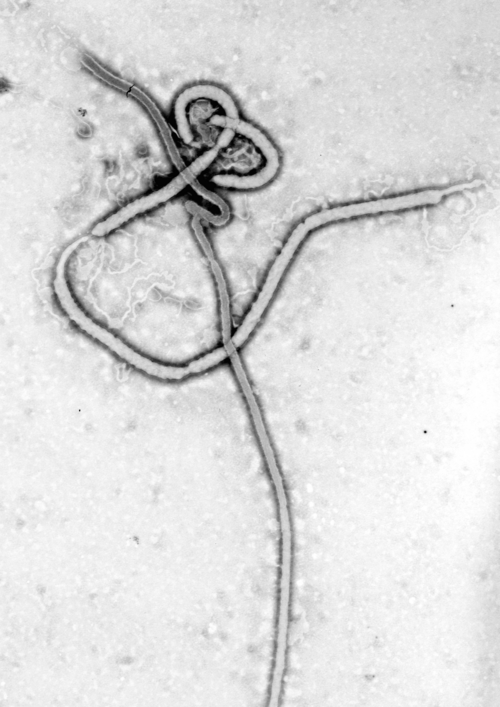 Led to2017Ervebo (rVSV-ZEBOV) Ebola Vaccine: Ebola Ça Suffit! Ring Vaccination TrialThe epidemic exposed the lack of any Ebola vaccine, and a ring vaccination trial was run in Guinea while it lasted. The Ervebo entry shows no cases from ten days after a single dose.Read this moment
-
 Same disease or problem2016Zika virus and congenital microcephalyBoth led WHO to declare an international public health emergency within two years of each other. The Zika entry shows how an epidemic in Brazil was tied to babies born with microcephaly.Read this moment
- Same disease or problem2003SARS outbreak and identification of its coronavirusIn both outbreaks health workers were infected in large numbers, a sign that infection control was failing. The SARS entry shows a new coronavirus spreading through hospitals in several countries.Read this moment