Epidemiology
2016
Zika virus and congenital microcephaly
After a Zika epidemic in Brazil was followed by clusters of microcephaly, WHO declared an international emergency on 1 February 2016. In April CDC concluded that Zika infection in pregnancy causes microcephaly and other severe fetal brain defects.

Key people
- Sonja A. Rasmussen
- Lead author of CDC's 2016 review of Zika and birth defects
- Tom Frieden
- CDC director when the agency concluded Zika causes microcephaly
Source
Zika virus was first identified in 1947, in a rhesus macaque in Uganda, and human cases were documented in Africa in the 1950s. It is spread mainly by Aedes mosquitoes. From 2007 outbreaks were recorded across Africa, the Americas, Asia and the Pacific, and in 2015 a large epidemic swept Brazil.
Brazil then reported a cluster of microcephaly cases and other neurological disorders, following a similar cluster in French Polynesia in 2014. On 1 February 2016 the WHO Director-General, advised by an Emergency Committee, declared these clusters a Public Health Emergency of International Concern and issued temporary recommendations under the International Health Regulations. Brazil, France, the United States and El Salvador had given the committee information on a possible link with Zika.
The question of cause was settled within weeks. On 13 April 2016 Sonja Rasmussen, Denise Jamieson, Margaret Honein and Lyle Petersen of CDC published a review of the evidence in the New England Journal of Medicine, and CDC announced its conclusion that Zika virus is a cause of microcephaly and other severe fetal brain defects. The agency's director, Tom Frieden, said it was now clear that the virus causes microcephaly.
The virus also passes from mother to fetus during pregnancy and can spread through sexual contact, laboratory exposure and transfusion of blood products. WHO ended the emergency on 18 November 2016, when its committee judged that Zika remained a significant and enduring public health challenge that needed a longer-term response. WHO now counts 92 countries and territories that have reported mosquito-borne Zika infection.
Keep exploring
 Read next · same disease or problem
Gregg's discovery of congenital rubella (1941)
Both tied a virus caught in pregnancy to damage in babies, cataracts from rubella and microcephaly from Zika. Gregg's entry shows the Sydney eye doctor who first spotted the pattern.
Read this moment
Read next · same disease or problem
Gregg's discovery of congenital rubella (1941)
Both tied a virus caught in pregnancy to damage in babies, cataracts from rubella and microcephaly from Zika. Gregg's entry shows the Sydney eye doctor who first spotted the pattern.
Read this moment
 Today on The Clinical Times
Love to Dream recalls portable baby sound machine over fire and burn risk
Love to Dream has recalled its portable Sleep Machine because its lithium-ion battery can overheat while charging with an incompatible charger, creating a risk of fire and burns.
Read today’s top stories
Today on The Clinical Times
Love to Dream recalls portable baby sound machine over fire and burn risk
Love to Dream has recalled its portable Sleep Machine because its lithium-ion battery can overheat while charging with an incompatible charger, creating a risk of fire and burns.
Read today’s top stories
All 526 moments in the history of medicine. This one is in chapter 7, Genes and pandemics
Connected moments
How this moment links to others in the history of medicine, and what you will find in each.
-
 Same disease or problem1964Rubella epidemic and the rubella vaccineBoth epidemics harmed thousands of babies through infection in pregnancy. The rubella entry shows 20,000 infants born with congenital rubella syndrome and the vaccine that ended it in the United States.Read this moment
-
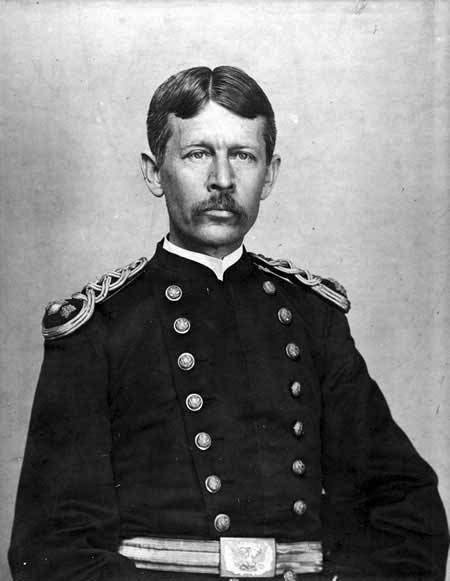 Same disease or problem1900Reed Yellow Fever CommissionBoth diseases are carried by mosquitoes, and controlling the insects was key. The Reed entry shows how mosquito control cleared yellow fever from Havana within a year.Read this moment
-
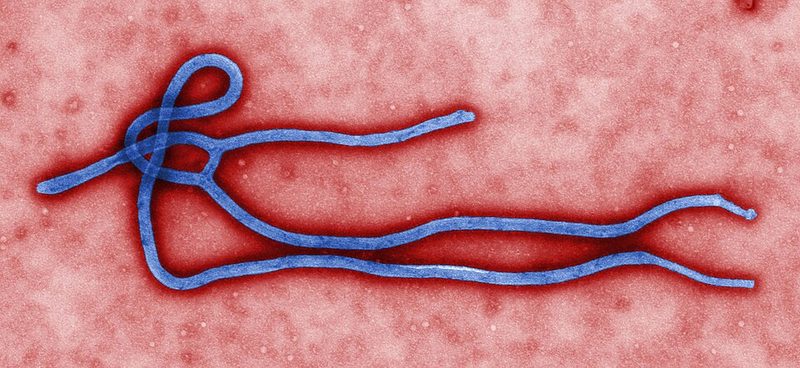 Same disease or problem2014West African Ebola epidemicBoth led WHO to declare an international public health emergency within two years. The Ebola entry shows the largest Ebola outbreak on record.Read this moment