Public Health
1994
Back to Sleep campaign
In 1994 NICHD and partners launched Back to Sleep, spreading the 1992 pediatric advice that babies not sleep on their stomachs. Stomach sleeping fell from 70 percent of infants in 1992 to 29 percent in 1995; by 2004 SIDS rates had fallen by about half.
Key people
- Duane Alexander
- NICHD director quoted on the campaign's results in 1996 and 2004
- Donna E. Shalala
- HHS secretary who announced the 1992 to 1995 fall in SIDS deaths
Source
Sudden infant death syndrome killed 5,000 to 6,000 American infants a year before the campaign, and it was the leading cause of death between one month and one year of age. Researchers had noticed that babies in other countries who were put to sleep on their backs were less likely to die of SIDS. NICHD-funded research on European infants, and then a large study in Chicago, supported the observation. Many health care providers feared that babies on their backs might choke if they spat up in the night, so the studies also had to show that back sleeping did not raise the risk of other problems.
In 1992 the American Academy of Pediatrics recommended that infants not be placed on their stomachs to sleep. Two years later the National Institute of Child Health and Human Development formed a coalition with the Health Resources and Services Administration, the academy, the SIDS Alliance and the Association of SIDS Program Professionals to launch Back to Sleep. Its first message allowed back or side sleeping. After further studies the academy advised that all infants sleep on their backs unless there was a medical reason not to.
Practice changed quickly. In 1992, 70 percent of infants slept on their stomachs; in 1995, 29 percent did. SIDS deaths fell from 4,891 in 1992 to 3,279 in 1995, according to preliminary federal data, with drops of 12 percent in 1994 and 18.5 percent in 1995, the largest annual declines then observed in the United States. SIDS slipped from the second to the third leading cause of infant death, and its decline accounted for about a third of the fall in infant mortality in 1995, to 7.5 deaths per 1,000 live births.
By the campaign's tenth anniversary in 2004, SIDS rates had fallen by about half for both Black and white infants, but the rate for African American infants was still twice that for white infants. In 2003 NICHD had joined three national African American women's organizations in a program aimed at that gap. The campaign now runs as Safe to Sleep and also covers other sleep-related infant deaths.
Keep exploring
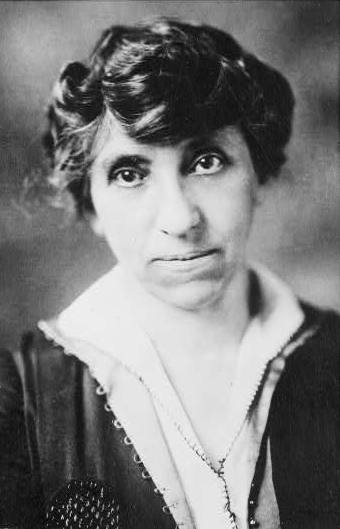 Read next · same disease or problem
The US Children's Bureau (1912)
Both fought infant deaths in the United States, the bureau by tracing their causes and Back to Sleep by changing how babies sleep. The Children's Bureau entry shows infant deaths rising as fathers' earnings fell.
Read this moment
Read next · same disease or problem
The US Children's Bureau (1912)
Both fought infant deaths in the United States, the bureau by tracing their causes and Back to Sleep by changing how babies sleep. The Children's Bureau entry shows infant deaths rising as fathers' earnings fell.
Read this moment
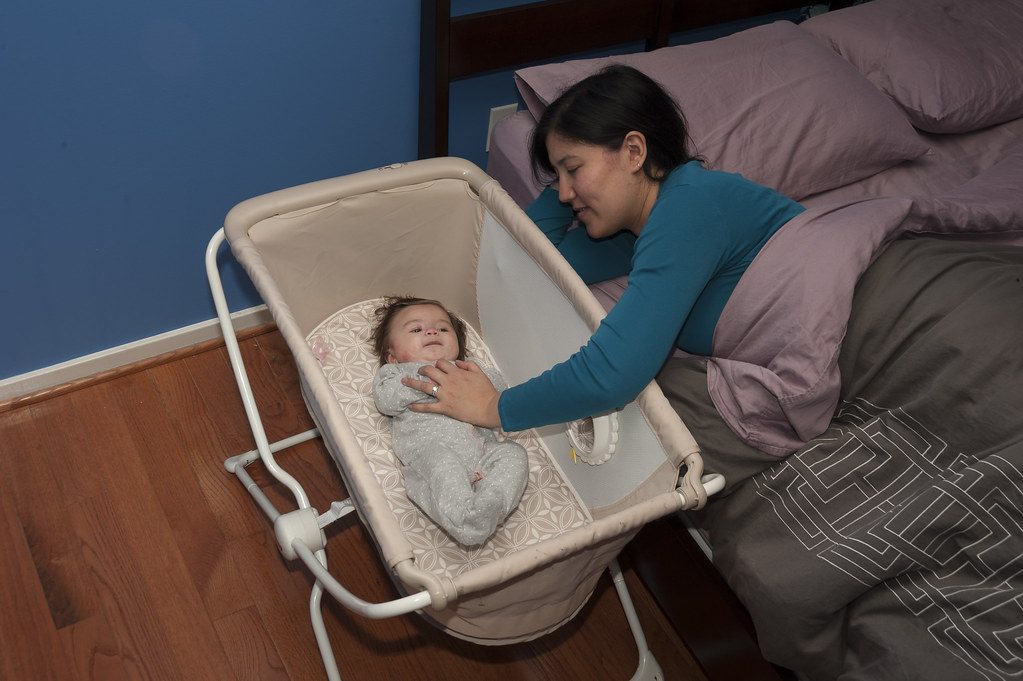 Today on The Clinical Times
Love to Dream recalls portable baby sound machine over fire and burn risk
Love to Dream has recalled its portable Sleep Machine because its lithium-ion battery can overheat while charging with an incompatible charger, creating a risk of fire and burns.
Read today’s top stories
Today on The Clinical Times
Love to Dream recalls portable baby sound machine over fire and burn risk
Love to Dream has recalled its portable Sleep Machine because its lithium-ion battery can overheat while charging with an incompatible charger, creating a risk of fire and burns.
Read today’s top stories
All 526 moments in the history of medicine. This one is in chapter 6, Trials, scanners and rights
Connected moments
How this moment links to others in the history of medicine, and what you will find in each.
-
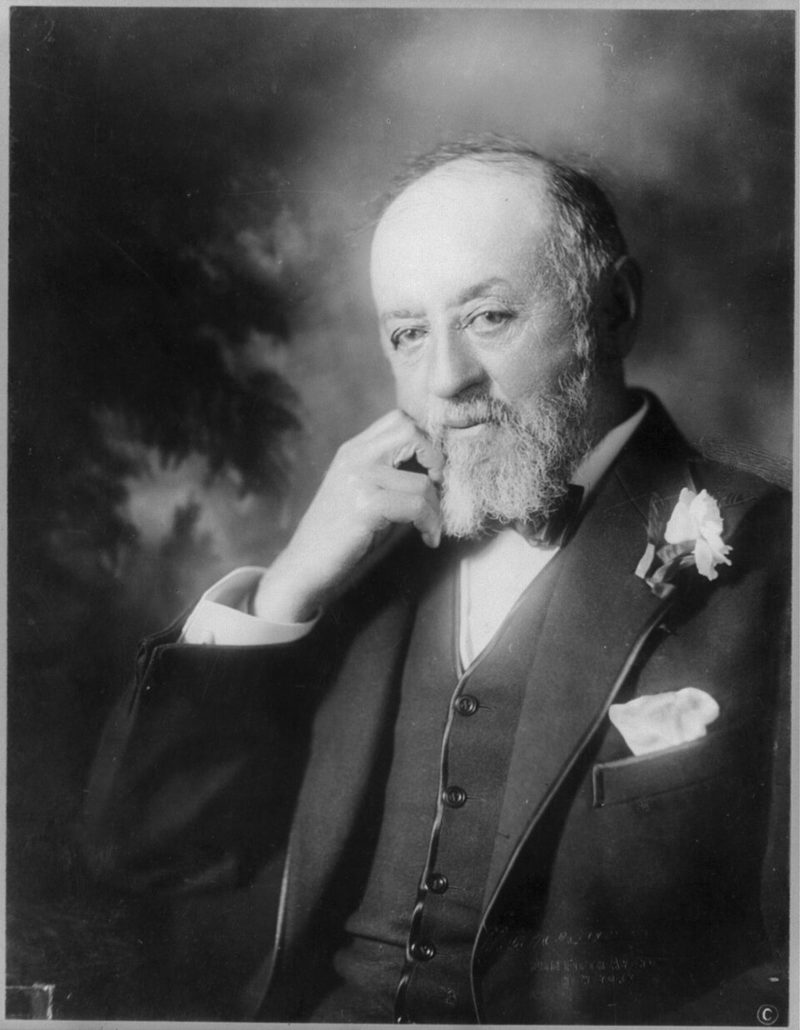 Same disease or problem1893Nathan Straus's pasteurized milk stationsA century apart, both cut infant deaths with one simple change in how babies were cared for, safe milk in 1893 and sleeping on the back in 1994. The Straus entry shows cheap pasteurized milk sold from a New York pier.Read this moment
- Same disease or problem1982Reye's syndrome and the aspirin warningBoth used public advice to parents to prevent sudden deaths in young children, and both saw cases fall sharply. The Reye's entry shows US cases dropping from 555 to a few dozen after warnings about aspirin.Read this moment