Genetics & Molecular
2019
Trikafta for cystic fibrosis
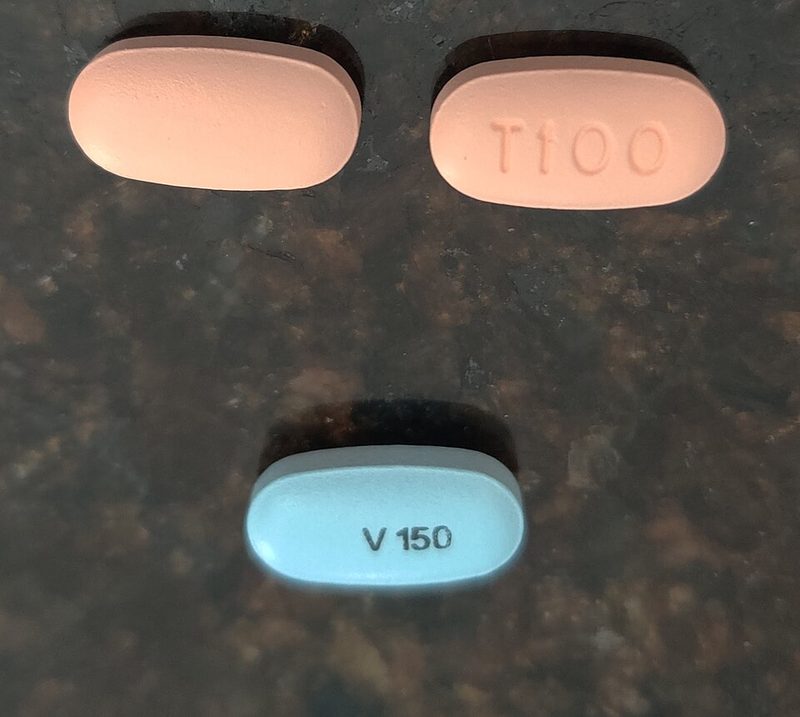
Approved on 21 October 2019, the three-drug CFTR modulator treated patients 12 and older with at least one F508del mutation, a group covering nearly 90 percent of people with cystic fibrosis. In its main trial lung function rose by about 14 percentage points.
Key people
- Peter G. Middleton
- First author of the phase 3 trial of elexacaftor-tezacaftor-ivacaftor
- Marcus A. Mall
- Co-author of the phase 3 trial report
Source
Cystic fibrosis is caused by mutations in the gene for the cystic fibrosis transmembrane conductance regulator (CFTR), a protein, and nearly 90 percent of patients carry at least one copy of the commonest mutation, Phe508del, also written F508del. Elexacaftor is a newer type of CFTR corrector. In a phase 2 trial in patients with one Phe508del copy and a second, minimal-function mutation, elexacaftor given with the older drugs tezacaftor and ivacaftor improved the function of the faulty protein and the patients' clinical course.
Peter Middleton, Marcus Mall and colleagues then ran a phase 3, double-blind trial in 403 patients aged 12 or older with that genotype, assigned at random to the three drugs or placebo for 24 weeks, with lung function at week 4 as the primary end point. Compared with placebo, percent-predicted FEV1 was 13.8 points higher at 4 weeks and 14.3 points higher through 24 weeks. Pulmonary exacerbations were 63 percent less frequent, sweat chloride fell by 41.8 millimoles per liter (to 57.9 at week 24, against 102.4 with placebo), and the respiratory score of a quality-of-life questionnaire rose by 20.2 points.
FDA approved the combination, sold by Vertex Pharmaceuticals as Trikafta tablets, on 21 October 2019 for patients 12 and older with at least one F508del mutation. The trial report appeared in the New England Journal of Medicine ten days later, on 31 October. Because nearly 90 percent of people with cystic fibrosis have at least one F508del copy, a single oral treatment aimed at the faulty protein itself was now available to most patients old enough to take it.
Keep exploring
 Read next · same disease or problem
Imatinib (STI571, Gleevec) in chronic myeloid leukemia (2001)
Both aimed a pill at the faulty protein driving a disease, the CFTR channel in cystic fibrosis and BCR-ABL in leukemia. The imatinib entry shows a targeted drug controlling a cancer.
Read this moment
Read next · same disease or problem
Imatinib (STI571, Gleevec) in chronic myeloid leukemia (2001)
Both aimed a pill at the faulty protein driving a disease, the CFTR channel in cystic fibrosis and BCR-ABL in leukemia. The imatinib entry shows a targeted drug controlling a cancer.
Read this moment
 Today on The Clinical Times
Love to Dream recalls portable baby sound machine over fire and burn risk
Love to Dream has recalled its portable Sleep Machine because its lithium-ion battery can overheat while charging with an incompatible charger, creating a risk of fire and burns.
Read today’s top stories
Today on The Clinical Times
Love to Dream recalls portable baby sound machine over fire and burn risk
Love to Dream has recalled its portable Sleep Machine because its lithium-ion battery can overheat while charging with an incompatible charger, creating a risk of fire and burns.
Read today’s top stories
All 526 moments in the history of medicine. This one is in chapter 7, Genes and pandemics
Connected moments
How this moment links to others in the history of medicine, and what you will find in each.
-
 Same disease or problem1949Sickle cell anemia as a molecular diseaseBoth concern inherited diseases caused by a defective protein, and Trikafta repairs that protein's function. The sickle cell entry shows the first disease traced to an abnormal protein.Read this moment
-
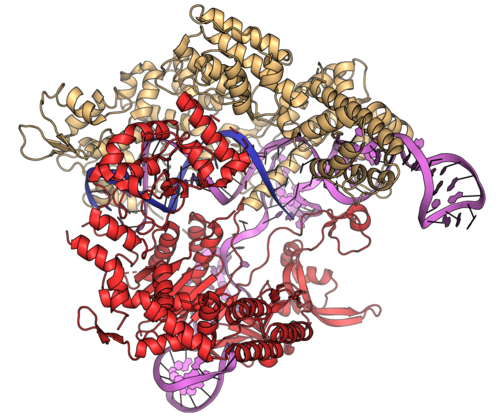 Same disease or problem2023Exagamglogene Autotemcel (Casgevy): First Approved CRISPR-Based TherapyBoth brought treatments aimed at the root of a common inherited disease, cystic fibrosis and sickle cell. The Casgevy entry shows the first approved gene editing therapy.Read this moment