Genetics & Molecular
2026
Gene therapy for OTOF deafness
On 23 April 2026 the FDA approved Otarmeni, a single infusion into the cochlea that supplies a working OTOF gene. It was the first disease-modifying treatment for OTOF-related deafness and the first dual AAV vector gene therapy the agency approved.
Otoferlin is a protein that the sensory hair cells of the ear need to pass on sound signals at their synapses. Children who inherit two nonworking copies of its gene, OTOF, make none of it and are deaf from birth or before they learn to speak. The FDA puts OTOF variants at 2% to 8% of inherited non-syndromic cases. No medicine treated the cause, and these children usually received cochlear implants.
Early human results came from a single-centre trial registered in China. Between October 2022 and June 2023 it gave six children one injection of an AAV1 vector carrying human OTOF, placed in the cochlea through the round window. Five recovered some hearing, with average auditory brainstem response thresholds falling by 40 to 57 dB, and no child had a dose-limiting toxicity. The Lancet published the results in 2024.
Regeneron's product, DB-OTO, is a dual AAV1 gene therapy that delivers the human OTOF sequence under a promoter specific to hair cells. In its CHORD study, children with profound deafness (average thresholds above 90 dB) received an infusion of 7.2 × 10^12 vector genomes into one or both cochleas. At week 24, 9 of the 12 children reached an average pure-tone threshold of 70 dB or better, a level the investigators said generally avoids implantation. Six could hear soft speech without devices, and three had average normal hearing sensitivity. The New England Journal of Medicine published the report online on 12 October 2025.
The FDA granted Otarmeni (lunsotogene parvec-cwha) accelerated approval on 23 April 2026, 61 days after the filing, under the Commissioner's National Priority Voucher pilot program. The label covers children and adults with severe-to-profound or profound OTOF-related hearing loss who keep outer hair cell function and have no cochlear implant in the ear to be treated. The decision rested on a single-arm trial in 24 children aged 10 months to 16 years; 80% of the 20 who could be evaluated heard better. Middle ear infection, nausea, dizziness and procedural pain were common side effects. Continued approval may depend on evidence that the gains last and that speech development and quality of life improve.
Keep exploring
 Read next · same disease or problem
The multichannel cochlear implant (1978)
Children with OTOF deafness usually received cochlear implants, and the gene therapy aimed to restore hearing without one. The implant entry shows deaf adults understanding speech through electrodes in the cochlea.
Read this moment
Read next · same disease or problem
The multichannel cochlear implant (1978)
Children with OTOF deafness usually received cochlear implants, and the gene therapy aimed to restore hearing without one. The implant entry shows deaf adults understanding speech through electrodes in the cochlea.
Read this moment
 Today on The Clinical Times
Love to Dream recalls portable baby sound machine over fire and burn risk
Love to Dream has recalled its portable Sleep Machine because its lithium-ion battery can overheat while charging with an incompatible charger, creating a risk of fire and burns.
Read today’s top stories
Today on The Clinical Times
Love to Dream recalls portable baby sound machine over fire and burn risk
Love to Dream has recalled its portable Sleep Machine because its lithium-ion battery can overheat while charging with an incompatible charger, creating a risk of fire and burns.
Read today’s top stories
All 526 moments in the history of medicine. This one is in chapter 7, Genes and pandemics
Connected moments
How this moment links to others in the history of medicine, and what you will find in each.
-
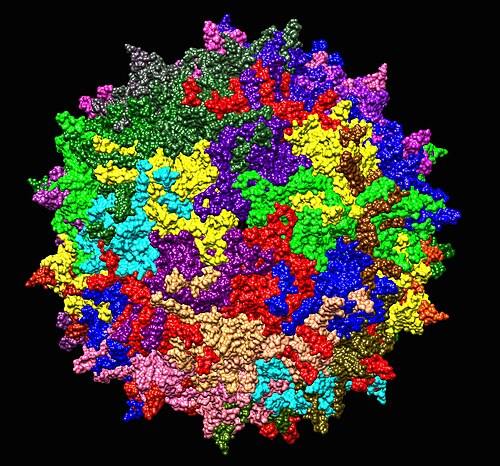 Same disease or problem2017Voretigene Neparvovec (Luxturna): First FDA-Approved In Vivo Gene Therapy for an Inherited DiseaseBoth deliver a working gene with an adeno-associated virus into a sense organ, the eye for Luxturna and the cochlea here. The Luxturna entry shows the first in vivo gene therapy approved.Read this moment
- Same disease or problem2019Onasemnogene, gene therapy for spinal muscular atrophyBoth are single-dose AAV gene therapies that replace a missing gene in children with an inherited disease. The onasemnogene entry shows infants surviving without permanent ventilation.Read this moment
-
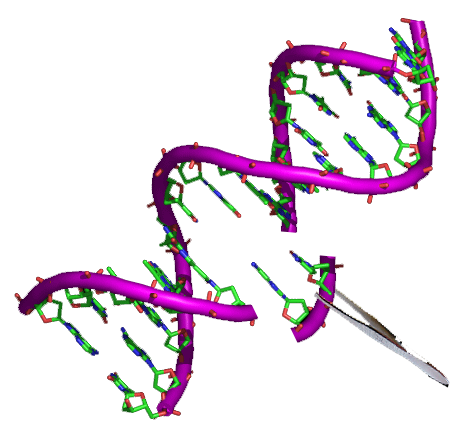 Same disease or problem1990First Approved Human Gene Therapy (ADA-SCID, Ashanthi DeSilva)Gene therapy began with a partial success in 1990 and reached the inner ear by 2026. The ADA entry shows the first authorized gene transfer to treat a disease.Read this moment