Cardiology
1998
Sildenafil for erectile dysfunction
Developed by Pfizer as an angina drug that boosts the nitric oxide signal, sildenafil was approved by the FDA on 27 March 1998 as the first oral pill for impotence. In 2005 it was also approved for pulmonary arterial hypertension.
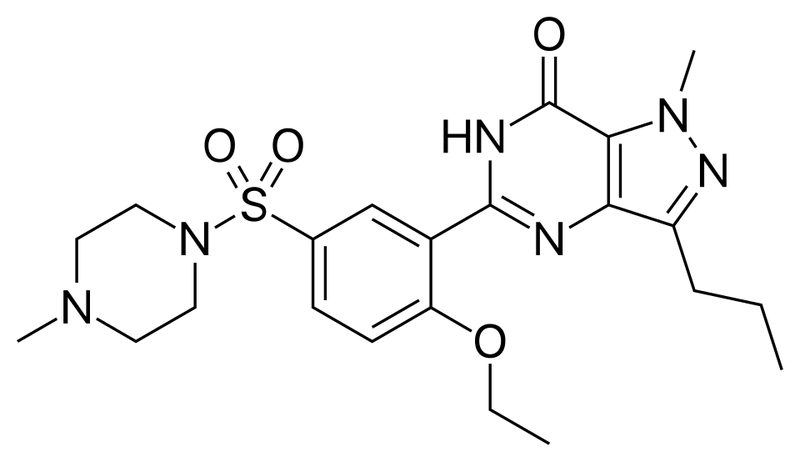
Key people
- Irwin Goldstein
- Lead author of the 1998 NEJM sildenafil trials
- Ian H. Osterloh
- Pfizer, Sandwich; co-author of the 2006 development history
Source
Nitrates were the standard drugs for angina, but patients quickly grew tolerant to them. In the mid-1980s cardiovascular researchers at Pfizer's laboratories in Sandwich, Kent, looked for another way to strengthen nitric oxide signaling. Nitric oxide acts through cyclic GMP, which the enzyme phosphodiesterase type 5 (PDE5) breaks down. In 1986 they found a group of compounds that blocked PDE5 strongly; one of them, UK-92,480, was highly selective and became sildenafil.
Studies in healthy volunteers began in 1991. Sildenafil strengthened the blood-pressure-lowering effect of glyceryl trinitrate, so it would have to be kept from patients taking nitrates. In 1992 volunteers given up to 75 mg three times a day for 10 days reported headache, flushing, indigestion and muscle aches, and some reported penile erections. By mid-1993 the drug looked less promising for angina, since its half-life of about four hours meant dosing three times a day. Louis Ignarro and others had meanwhile reported that nitric oxide is the messenger released from the nerves of the penis during sexual stimulation.
The first study in men with erectile dysfunction began in late 1993, using a device looped around the penis to record its girth and rigidity during sexual stimulation. By mid-1994 two studies had shown that single doses improved erections, more so at higher doses. In the trials published by Irwin Goldstein and colleagues in 1998, 532 men took 25, 50 or 100 mg or placebo for 24 weeks; in a second study of 329 men, 69 percent of attempts at intercourse in the last four weeks succeeded on sildenafil, against 22 percent on placebo.
The FDA approved Viagra on 27 March 1998, less than six months after Pfizer applied, calling it the first oral pill to treat impotence. More than 3,000 men had taken part in the trials. The drug does not cause an erection directly but strengthens the response to sexual stimulation. The label warned against use with organic nitrates such as nitroglycerin, because the combination can lower blood pressure, and about 3 percent of patients reported changes in vision, chiefly in color perception. European approval followed in September 1998. In 2005 American and European regulators approved sildenafil, sold as Revatio, for pulmonary arterial hypertension.
Keep exploring
 Read next · built on
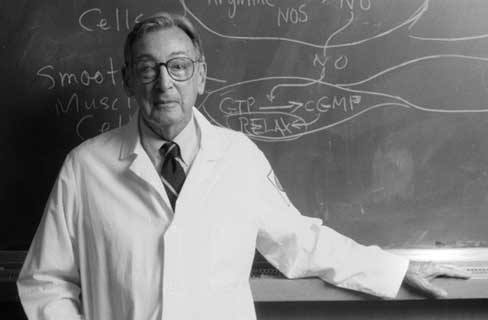
Furchgott and nitric oxide in blood vessels (1980)
Sildenafil works by strengthening the nitric oxide signal Furchgott and Ignarro identified in blood vessels. The Furchgott entry shows the accidental experiment that revealed a gas carrying signals between cells.
Read this moment
Read next · built on
Furchgott and nitric oxide in blood vessels (1980)
Sildenafil works by strengthening the nitric oxide signal Furchgott and Ignarro identified in blood vessels. The Furchgott entry shows the accidental experiment that revealed a gas carrying signals between cells.
Read this moment
 Today on The Clinical Times
Love to Dream recalls portable baby sound machine over fire and burn risk
Love to Dream has recalled its portable Sleep Machine because its lithium-ion battery can overheat while charging with an incompatible charger, creating a risk of fire and burns.
Read today’s top stories
Today on The Clinical Times
Love to Dream recalls portable baby sound machine over fire and burn risk
Love to Dream has recalled its portable Sleep Machine because its lithium-ion battery can overheat while charging with an incompatible charger, creating a risk of fire and burns.
Read today’s top stories
All 526 moments in the history of medicine. This one is in chapter 6, Trials, scanners and rights
Connected moments
How this moment links to others in the history of medicine, and what you will find in each.
-
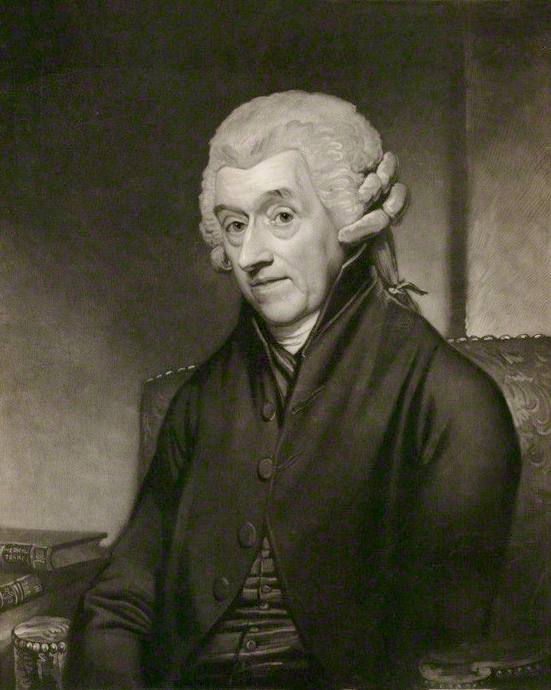 Same disease or problem1768Heberden's account of angina pectorisSildenafil began as a drug for angina, the chest pain Heberden first described in 1768. His entry shows pain brought on by walking and relieved by standing still.Read this moment
-
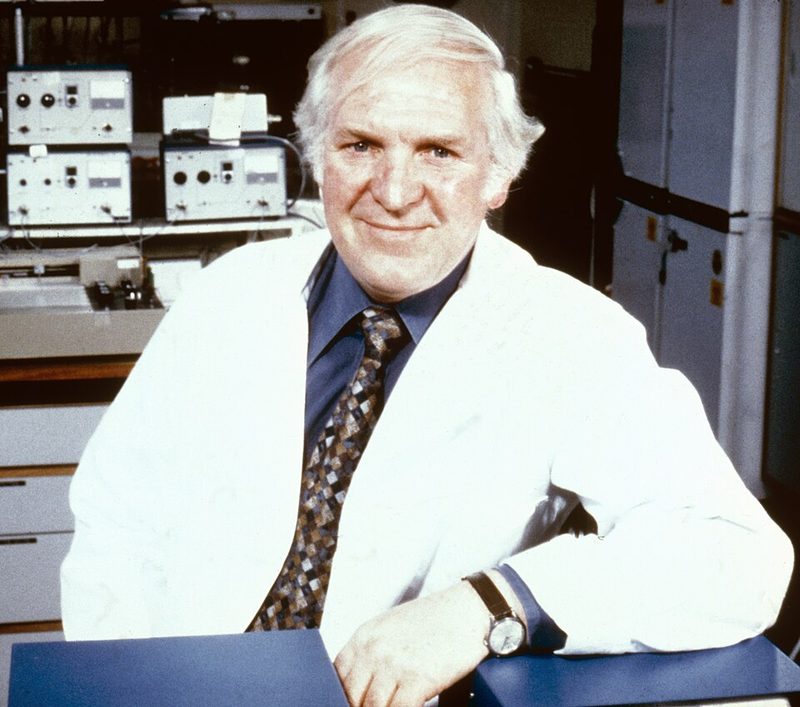 Same disease or problem1964Propranolol and the beta blockersBoth began as drugs for angina, and propranolol succeeded where sildenafil did not. The propranolol entry shows James Black's plan to cut the heart's demand for oxygen.Read this moment